Planting
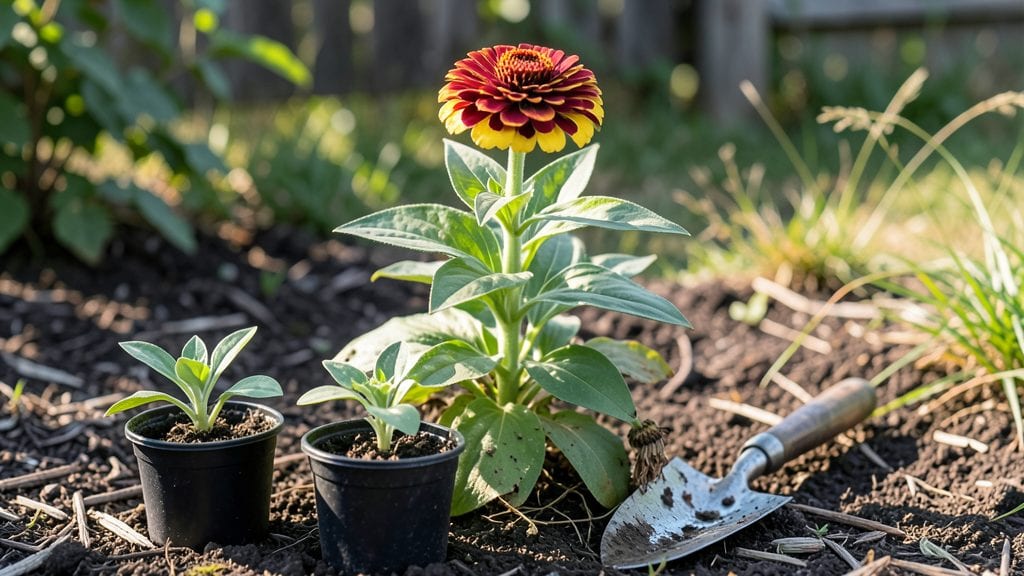
Here are zinnia planting tips to ensure your garden bursts with color—just master sunlight, spacing, and timing for blooms that last from summer through frost. 🌻 I learned the hard way that zinnias won’t tolerate shade or crowded roots, but once you get those basics right, they practically grow themselves.
The secret is starting seeds indoors 4-6 weeks before last frost or sowing directly after soil warms to 60°F, then thinning seedlings to 12-18 inches apart. Too close, and you’ll get leggy stems; too far, and you’ll waste space.
Water at the base—not overhead—and watch for powdery mildew if humidity spikes, which I’ve seen ruin whole patches if ignored.
📚 In This Guide
- What you need
- Instructions
- Tips and common mistakes
- Wrapping up and next steps
What you need
- ● Zinnia Seeds: Choose heirloom or hybrid varieties (e.g., 'Benary’s Giant,' 'Profusion,' or 'Crystal'). Plant 2-3 seeds per hole for thicker blooms.
- ● Well-Draining Potting Soil or Garden Soil: Amend with compost (1 part compost to 3 parts soil) for nutrient-rich growth. Test soil pH (6.0–7.0 ideal).
- ● Containers or Garden Bed: For containers: Use pots 6+ inches deep with drainage holes (e.g., 1 gallon per plant).
- ● For in-ground planting: Space plants 6–12 inches apart (closer for dwarf varieties, wider for tall ones).
- ● Watering Can or Hose with Adjustable Nozzle: Zinnias need 1–1.5 inches of water per week (drip irrigation or soaker hoses work best).
- ● Fertilizer: Balanced fertilizer (10-10-10 or 20-20-20): Apply at half-strength every 4–6 weeks.
- ● Organic option: Compost tea or fish emulsion (follow package rates).
- ○ Mulch (Optional but Recommended): Use 2–3 inches of straw or shredded leaves to retain moisture and suppress weeds.
- ● Hand Trowel or Transplant Spade: For digging holes and transplanting seedlings.
- ● Gloves: Protect your hands from thorns (especially on ‘Crystal’ varieties).
- ● Pruning Shears: Deadhead spent blooms to encourage continuous flowering.
- ● Stakes or Trellis (For Tall Varieties): Use 6–12 inch stakes for varieties like ‘State Fair’ to prevent flopping.
- ○ Plant Labels (Optional): Mark varieties if growing multiple types to track blooming times.
- ● Sunlight: 6+ hours of full sun daily (zinnias are sun-worshippers!).
- ● Warm Soil: Wait until soil temps reach 55°F+ (after last frost) to plant seeds or seedlings.
- ● Patience: Seeds germinate in 7–14 days; seedlings may take 60–70 days to bloom.
Step-by-Step zinnia planting guide for nonstop summer color
Here's how I get zinnias blooming from early summer until frost—no fancy tricks, just smart timing and light.
🌱 Step 1: Time Your Planting for Peak Performance
Zinnias thrive when planted after your last frost date, when soil temperatures hit 55°F or warmer. I wait until late spring or early summer to avoid cold snaps that stunt growth. For a longer bloom season, stagger plantings every 2-3 weeks—this ensures fresh flowers as the first batch fades.
If starting from seed indoors, begin 6-8 weeks before transplanting in biodegradable pots. The key is warmth: zinnias won't germinate well in cool soil. Press seeds ¼ inch deep and keep them moist until sprouts appear in 7-14 days. Watch for the first true leaves—they'll be fuzzy and deep green.
☀️ Step 2: Choose the Sunniest Spot in Your Garden
Zinnias demand full sun—at least 6-8 hours daily. I always pick the spot that gets the most afternoon light because that's when zinnias drink the most water. If your garden has partial shade, opt for shorter varieties like 'Thumbelina' instead of towering 'Benary's Giant'.
Loosen the soil to 12 inches deep and mix in 2 cups of compost per planting hole. Zinnias hate soggy roots, so if your soil drains poorly, add a handful of perlite to improve aeration. Space seeds 6-12 inches apart depending on the variety—taller types need more room to avoid flopping.
💧 Step 3: Water Deeply but Infrequently
Once established, zinnias are drought-tolerant, but consistent moisture is key during germination and early growth. Water 1 inch per week, letting the soil dry slightly between waterings. I water in the morning so leaves dry quickly—this prevents fungal diseases like powdery mildew that love damp foliage.
Stop watering at the base once flowers appear. Instead, water around the plant to keep stems dry. Overhead watering can cause buds to split or rot. You'll know your watering is right when the soil feels dry 1-2 inches down but the plants stay upright and vibrant.
✂️ Step 4: Deadhead for Continuous Blooms
Here's the secret to zinnias that last all season: deadhead regularly. Snip spent blooms with clean shears ¼ inch above the next set of buds. I do this every 3-5 days during peak bloom. This redirects energy from seed production to new flowers, giving you 2-3 more weeks of blooms than if you left them be.
Don't cut too close to the stem—you'll risk damaging the plant. Watch for new buds forming at the base of the flower head. If you see them, hold off on deadheading until they open. This ensures you never have bare stems.
🌿 Step 5: Support Tall Varieties to Prevent Flopping
If you're growing varieties over 3 feet tall, like 'Profusion' or 'State Fair', they'll need support. I use 5-foot bamboo stakes placed 6 inches from the plant and tie stems loosely with soft plant ties. Tight ties can girdle stems as the plant grows.
Check ties weekly and loosen them as the stems thicken. You'll know it's working when the plant stands straight and flowers face outward instead of drooping toward the ground. For extra stability, weave in a few more stakes around the plant in a triangle formation—this catches wind better than a single stake.
Tips & tricks for perfect zinnia planting
These sun-loving secrets will help you extend your zinnia blooms from summer until frost—no gardening degree required.
The Heat Factor: Pay close attention to that 55°F soil temperature threshold in Step 1. I've planted too early when soil was still cool, and the seeds just sat there for weeks. Use a soil thermometer if you're unsure—zinnias won't germinate properly until the soil warms up. For extra insurance, cover seeds with a thin layer of clear plastic until sprouts appear, which should happen in 7-14 days if conditions are right.
Sunlight Secret: When choosing your spot in Step 2, don't just eyeball the sunniest area—actually track how many hours of direct sunlight it gets. I use a solar tracker app for a few days to confirm the 6-8 hours requirement. Morning sun is great, but zinnias need that intense afternoon sun to develop their vibrant colors. If your garden only gets partial sun, choose dwarf varieties like 'Thumbelina' that can handle slightly less light.
Deadheading Technique: The ¼ inch above the next set of buds rule in Step 4 is crucial—cutting too close can damage the plant while leaving too much stem wastes energy. I use small floral shears for precision, and always deadhead in the morning when buds are fully open. This gives the plant all day to recover and produce new blooms before evening. The 3-5 days frequency keeps your zinnias looking fresh all season long.
Support System: For those towering varieties over 3 feet tall in Step 5, don't wait until they're already leaning to add support. Install your 5-foot bamboo stakes and ties as soon as you see them reaching for the sky. I've learned this the hard way—once they flop, they rarely recover their upright form. The triangle stake formation really does work better than single stakes, especially in windy areas. Check those ties weekly to prevent them from cutting into the stems as they thicken.
Pro Tips for Zinnia Planting Tips
- These sun-loving secrets will help you extend your zinnia blooms from summer until frost—no gardening degree required.
- The Heat Factor: Pay close attention to that 55°F soil temperature threshold in Step 1.
- Sunlight Secret: When choosing your spot in Step 2, don't just eyeball the sunniest area—actually track how many hours of direct sunlight it gets.
Frequently asked questions
Got questions about growing zinnias?
You’re not alone—these cheerful blooms are easy to love but sometimes tricky to master. Here’s what gardeners ask most, plus the answers to keep your zinnias thriving from seed to showstopper!
When is the best time to plant zinnias?
Zinnias are not frost-tolerant, so wait until after the last frost in spring when soil temps hit 50–60°F (10–15°C). For a longer bloom season, start seeds indoors 6–8 weeks before the last frost or sow directly outdoors after danger of frost has passed. Pro tip: If you’re in a hot climate, you can also plant a second batch in late summer for fall color!
How often should I water zinnias?
Zinnias need consistent moisture—about 1 inch (2.5 cm) of water per week, especially during bud formation. Water at the base (not the leaves) to prevent fungal diseases like powdery mildew. Let the soil dry slightly between waterings to avoid root rot. Drought-tolerant once established!
Why aren’t my zinnias blooming?
No blooms? Check these fixes:
- Deadhead spent flowers—this encourages more blooms! Snip off faded blooms with clean scissors.
- Ensure 6+ hours of full sun daily—zinnias wilt in shade.
- Fertilize lightly with low-nitrogen, high-phosphorus food (like 5-10-10) when planting and mid-season.
- Watch for aphids or spider mites—spray with neem oil if pests are sucking the life out of new growth.
Can I grow zinnias in containers?
Absolutely! Choose compact varieties like ‘Thumbelina’ or ‘Crystal’ for pots. Use a 5–7 inch (13–18 cm) container with drainage holes and well-draining potting mix. Place in full sun and water regularly—container-grown zinnias may dry out faster. Bonus: They’re great for balconies and attract pollinators!
Do zinnias come back every year?
Most zinnias are annuals, meaning they complete their life cycle in one season. However, in warm climates (zones 9–11), they may self-seed and return the next year. To encourage this, leave some spent blooms on the plant. For perennial zinnias (like Zinnia grandiflora), check your local nursery—they’re rare but worth seeking out!
What can I plant with zinnias for a fuller garden?
Zinnias pair beautifully with:
- Companion plants: Marigolds (repel pests), nasturtiums (edible + colorful), or cosmos (self-seeding like zinnias).
- Height contrast: Tall snapdragons or sunflowers behind zinnias, or low-growing sweet alyssum in front.
- Avoid: Fennel (can stunt zinnia growth) or other heavy feeders like tomatoes.
Wrapping up and next steps
With these zinnia planting tips, you’re all set to grow a garden bursting with color! 🌸 From choosing the right soil to deadheading for continuous blooms, every step brings you closer to a vibrant, sun-driven display.
Don’t forget—zinnias thrive on love (and sunlight!), so give them the care they deserve.
Now that you’re armed with the know-how, it’s time to roll up your sleeves and plant. Pick a sunny spot, grab your seeds, and let the magic happen. Happy gardening—your future blooms will thank you! 🌞🌻