
How To
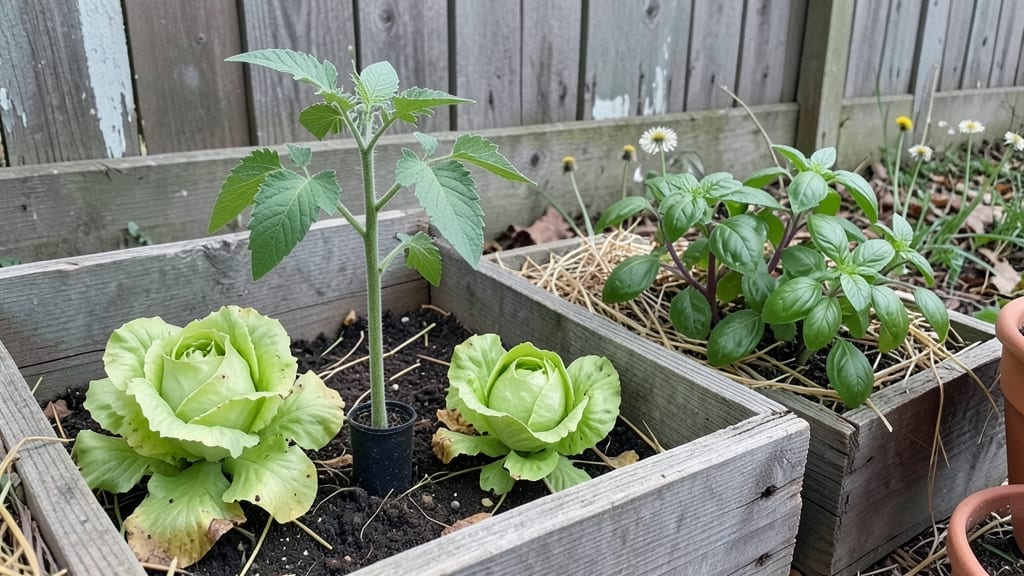
The almanac planting days saved my zucchini—no more guessing, just golden harvests when my neighbors’ tomatoes still looked hopeful. 🌱 The Old Farmer's Almanac's frost charts and moon phase guides turned my garden from hit-or-miss to consistently productive.
First, find your last frost date (I check my local almanac's zone map every spring). Then work backward: most veggies need 60-90 days from seed to harvest. Herbs like basil thrive when planted after soil reaches 50°F, while cool crops like peas can handle early spring.
The moon's phases? They affect root vs. leaf growth—plant root crops like carrots on a root-sign moon for sweeter harvests.
You'll notice broccoli heads forming tighter, cucumbers producing more fruit, and herbs staying vibrant longer. My pepper plants now ripen weeks earlier than before, and the flavor difference is night-and-day. The key is adjusting for your specific microclimate—even within the same zone, a valley might frost later than a hilltop.
This method works for every gardener, from container growers to large plots. Start with one crop this season and track the results—you'll be amazed how much precision timing improves your harvests. The almanac becomes your garden's GPS once you learn to read it.
📚 In This Guide
- What you need
- Instructions
- Tips and common mistakes
- Wrapping up and next steps
What you need
- ● Seed packets – Choose varieties suited to your USDA Hardiness Zone and the almanac’s recommended planting dates (e.g., tomatoes, lettuce, or herbs). Pro tip: Label seeds with names and dates!
- ● Garden soil or potting mix – 5–10 gallons, depending on container size. Opt for organic, well-draining blends (e.g., Miracle-Gro or homemade compost + perlite).
- ● Containers or garden beds – Containers: 5–10-inch pots (1–2 per seedling) with drainage holes.
- ● In-ground beds: Loose, fertile soil (amend with compost if needed).
- ● Watering can or hose with gentle nozzle – For consistent moisture (avoid overhead spray to prevent disease).
- ● Gloves & knee pads – Protect your hands and joints during prep!
- ● Seedling heat mat – For cool-start climates (e.g., early spring herbs or peppers).
- ● Grow lights or shade cloth – Adjust light exposure based on almanac’s moon phases or temperature guidelines.
- ● Plant markers – Wooden sticks or labels to track varieties and planting dates.
- ● Organic fertilizer – Balanced (e.g., 10-10-10) or compost tea for nutrient boosts.
- ● Almanac app or printed guide – For real-time planting day alerts and lunar calendars.
How to use Almanac planting days for perfect timing
Here's how I turn the Old Farmer's Almanac into a foolproof schedule for planting.
📅 Step 1: Determine Your Last Frost Date
Find your local last frost date from the Almanac—this is your planting deadline. I always mark it on my calendar with a big red circle. For example, if your last frost is May 15, count backward from that date for cool-season crops and forward for warm-season plants.
This isn't just a number—it's your garden's due date. The Almanac provides regional maps, so if you're unsure, check your specific area. I've learned the hard way that assuming "close enough" can mean lost seedlings when a late frost hits.
☀️ Step 2: Match Crops to Their Planting Windows
The Almanac divides crops into categories: cool-season, warm-season, and tender crops. Cool-season plants like lettuce and peas thrive when soil temps are 40-75°F, while warm-season crops like tomatoes and peppers need soil at 60°F or warmer. Tender crops like basil and cucumbers wait until all danger of frost has passed.
I color-code my planting schedule: green for cool-season, red for warm-season, and yellow for tender. This visual system prevents me from accidentally planting heat-lovers too early. The Almanac even includes a "planting calendar" section that shows exact weeks before/after frost for each crop.
🌱 Step 3: Calculate Seed Starting Dates
For crops that need early starts (like tomatoes or broccoli), the Almanac provides "weeks before last frost" guidelines. If your last frost is May 15 and tomatoes need 6-8 weeks indoors, start seeds around March 1. I mark these dates in my garden journal with arrows pointing forward to transplant dates.
Here's the thing—don't rely on memory. Write down each step: seed start date, transplant date, and harvest window. I've seen beginners skip this and end up with seedlings ready just as frost hits. The Almanac's "planting timeline" chart makes this easy to visualize.
⏰ Step 4: Plan for Succession Planting
Many vegetables like beans, carrots, and radishes produce continuously. The Almanac suggests planting these every 2-3 weeks to ensure a steady harvest. I divide my garden into sections and label them with dates. For example, Section A gets beans on May 1, Section B on May 15, and Section C on June 1.
This method prevents gluts and gaps. When the first batch of radishes is ready in 3 weeks, the second planting is just coming up. The Almanac's "succession planting chart" shows exactly which crops benefit from this approach and how often to repeat.
🌿 Step 5: Adjust for Your Microclimate
Even with Almanac guidance, your garden's specific conditions matter. If your yard sits in a frost pocket or gets afternoon shade, adjust planting dates by 1-2 weeks later. I observe my space for 3-5 years to notice patterns—like when my south-facing beds warm up faster than the Almanac predicts.
The key is flexibility. The Almanac gives you a starting point, but your notes become the fine-tuning. I keep a "microclimate journal" where I record when certain crops actually germinate or mature in my yard. Over time, this becomes more accurate than the general guidelines.
Tips & tricks for perfect Almanac planting timing
Precision planting isn't just about dates—it's about understanding the subtle details that make all the difference between a thriving garden and a disappointing one.
Visualize Your Planting Schedule: Color-coding your planting calendar (green for cool-season, red for warm-season, yellow for tender crops) isn't just pretty—it's a game-changer. I've found that seeing these categories visually prevents me from accidentally planting heat-loving tomatoes when the soil is still too cold. The Almanac's planting calendar section makes this easy to implement, and I've started using sticky notes on my fridge to track each crop's window.
Soil Temperature Matters: The Almanac gives us those key soil temperature ranges (40-75°F for cool-season crops and 60°F+ for warm-season plants), but here's what nobody tells you—use a soil thermometer to verify. I've planted lettuce when the Almanac said it was safe, only to watch it bolt because the soil was actually warmer than I thought. The 60°F threshold for warm-season crops is non-negotiable—wait until you see that number consistently for a few days.
Microclimate Journaling: While the Almanac provides excellent guidelines, your local conditions often require adjustments. I've been keeping a microclimate journal for 4 years now, recording when my specific garden sections actually reach those temperature thresholds. For example, my south-facing beds warm up 5 days earlier than the Almanac predicts for my zone. This journal has become my most valuable gardening tool—more accurate than any general guideline.
Succession Planting Strategy: The Almanac suggests planting succession crops every 2-3 weeks, but here's how I make it work: I divide my garden into clearly labeled sections (A, B, C) and plant each batch on specific dates. This prevents me from getting overwhelmed by trying to remember when to plant what. When my first batch of radishes is ready in 3 weeks, I know Section B is just coming up—no more guessing or forgetting.
Pro Tips for Almanac Planting Days
- Precision planting isn't just about dates—it's about understanding the subtle details that make all the difference between a thriving garden and a disappointing one.
- Visualize Your Planting Schedule: Color-coding your planting calendar (green for cool-season, red for warm-season, yellow for tender crops) isn't just pretty—it's a game-changer.
- Soil Temperature Matters: The Almanac gives us those key soil temperature ranges (40-75°F for cool-season crops and 60°F+ for warm-season plants), but here's what nobody tells you—use a soil thermometer to verify.
Frequently asked questions
What exactly are the "Almanac Planting Days," and how do they differ from regular planting dates?
The Almanac Planting Days are based on the Old Farmer’s Almanac’s lunar calendar, which aligns planting with the moon’s phases to optimize growth. Unlike standard dates (which rely on last frost or heat zones), these days consider soil moisture, root development, and even fruit production—helping you avoid common pitfalls like bolting or poor yields.
Can I still plant if I miss the recommended Almanac Planting Days?
While timing matters, flexibility is key. If you miss a window, adjust for your crop’s needs: leafy greens tolerate cooler temps, while tomatoes and peppers need warmth. Just avoid planting root crops (like carrots) during a full moon—it can make them forked or woody.
Do Almanac Planting Days work in all climates, or are they region-specific?
The Almanac provides general guidelines, but you’ll need to cross-reference with your USDA hardiness zone and local frost dates. For example, Southern gardeners can plant earlier than Northerners, even if the moon phase aligns. Use the Almanac as a starting point, then tweak based on your microclimate.
Which moon phases are best for planting, and why?
The Almanac recommends:
- New Moon: Ideal for planting above-ground crops (leafy greens, herbs) to boost leaf growth.
- Full Moon: Best for root crops (carrots, potatoes) and transplanting to encourage strong roots.
- Avoid planting during: The dark moon (7 days before/after full moon) for most crops—it can stress plants.
What if my Almanac says to plant on a weekend, but I can’t garden then?
No stress! Plant as close as possible to the recommended date—within 2–3 days is fine for most crops. For seeds, prioritize the moon phase; for transplants, focus on weather conditions. Keep a planting journal to track what works best in your garden.
Pro Tip:
Use the Almanac’s Planting Calendar (available online or in their annual guide) to filter by crop, moon phase, and even your ZIP code. It’s like having a gardening GPS!
Wrapping up and next steps
Mastering almanac planting days is your secret weapon for a thriving garden—no guesswork, just precision and reward! By aligning your planting with the moon’s phases and your local climate, you’ll unlock healthier crops, stronger yields, and fewer pests. 🌱💚
Ready to put your newfound knowledge into action? Start by marking your 2024 almanac planting days on your calendar, then download our free planting guide to tailor your schedule. Happy gardening—your future harvest is waiting!