
Propagation
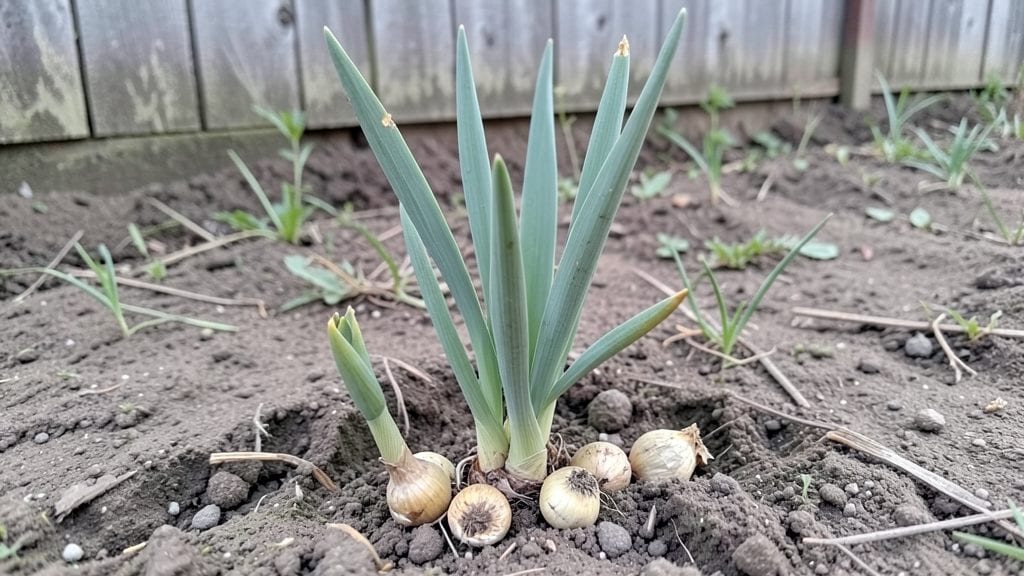
Planting gladiolus seeds lets you grow these striking, sword-like blooms from scratch—something most gardeners only get through bulbs. 🌱 I've watched mine go from tiny seeds to six-foot-tall spikes in just three months, and the secret starts with the right timing and soil prep.
The key is patience and precision: seeds need warmth to germinate, so wait until soil reaches 60°F in spring. Plant them ½ inch deep in loose, well-draining soil, spaced 2 inches apart—crowding leads to weak stems later. A sunny spot with afternoon shade in hot climates keeps them thriving.
By month three, you'll have sturdy stalks topped with vibrant blooms in every color imaginable. The trick is consistent moisture—keep soil damp but not soggy—until roots establish. Once they're up, they're surprisingly hardy, even in less-than-perfect conditions.
Works in zones 5-10, though southern gardeners should plant in fall for winter blooms. Here's where it gets interesting—those first blooms mean you can dig up and divide the clumps next year for even more dramatic displays.
📚 In This Guide
- What you need
- Instructions
- Tips and common mistakes
- Wrapping up and next steps
What you need
- ● Gladiolus seeds: Choose fresh, high-quality seeds (10–20 seeds per packet, depending on variety). Look for hybrid or heirloom varieties for vibrant blooms!
- ● Seed-starting trays or small pots: 4–6 inch deep (biodegradable pots work great for transplanting). You’ll need 1–2 trays or 6–12 small pots (1 seed per pot).
- ● Seed-starting mix: A lightweight, well-draining potting mix (avoid garden soil—it’s too dense!). Aim for 2–3 cubic feet to fill your trays.
- ● Grow lights or sunny windowsill: Gladiolus seeds need 6–8 hours of light daily. A full-spectrum LED grow light (or a south-facing window) is ideal.
- ● Spray bottle: For gentle watering to keep seeds moist without disturbing them.
- ○ Heat mat (optional but helpful): Maintains 70–75°F soil temperature to speed up germination (especially in cooler climates).
- ● Warmth: Gladiolus seeds germinate best in warmth. Ideal indoor temps: 70–80°F.
- ● Humidity: Keep humidity high (70%+) with a clear plastic dome or humidity tray until sprouts appear.
- ● Patience: Germination takes 14–30 days—stay consistent with care!
- ● Fertilizer: A balanced liquid fertilizer (10-10-10) to boost early growth. Dilute to ½ strength when seedlings are 2–3 inches tall.
- ● Transplanting tools: Small hand trowel, biodegradable pots, or a seedling heater for outdoor hardening.
- ● Garden journal: Track planting dates, watering schedules, and growth milestones—gladiolus love consistency!
Step-by-Step instructions for planting gladiolus seeds
Here’s how to coax these dramatic blooms from tiny seeds—patience and precision pay off big time.
🌱 Step 1: Start Seeds Indoors for Early Growth
Gladiolus seeds need warmth to germinate, so begin indoors 8-10 weeks before your last frost date. Fill a seed tray with the sterile seed-starting mix (not garden soil) and moisten it until damp but not soggy. Press the mix down lightly to create a firm, even surface—this prevents seeds from sinking too deep.
Sow seeds ½ inch deep, spacing them 2 inches apart in rows. Gladiolus seeds are tiny, so I use a toothpick to create small holes for each one—this ensures proper depth without overcrowding. Cover the tray with plastic wrap to retain moisture and warmth, then place it in a warm spot (70-75°F). Germination can take 2-4 weeks, so don’t disturb the tray during this time.
☀️ Step 2: Provide Light and Transplant Seedlings
Once seedlings emerge, remove the plastic wrap immediately to prevent damping-off. Place the tray under grow lights or in a south-facing window where they’ll receive 12-14 hours of light daily. Gladiolus seedlings grow quickly, so keep the lights 3-4 inches above the plants and adjust as they grow to avoid leggy stems.
When seedlings develop 3-4 true leaves (about 6-8 weeks after sowing), transplant them into 4-inch pots filled with the potting mix. Handle seedlings gently by their leaves, not stems, to avoid damaging the roots. Water lightly after transplanting to settle the soil around the roots.
🪴 Step 3: Harden Off and Prepare for Outdoor Planting
Two weeks before your last frost date, begin hardening off the seedlings. Move them outdoors to a sheltered, shaded spot for 1-2 hours the first day, gradually increasing their time outside by 1 hour daily. This process helps them adjust to wind and sunlight without shock. By the time you’re ready to plant, they should tolerate a full day outdoors without wilting.
Choose a planting site with full sun and well-draining soil. Gladiolus corms dislike soggy conditions, so amend heavy soil with compost to improve drainage. Dig holes 4 inches deep and space them 6 inches apart in rows 18 inches apart to allow for mature growth. This spacing ensures airflow and reduces disease risk.
💧 Step 4: Plant and Water for Strong Establishment
Plant each seedling 2 inches deeper than it was in its pot, covering the roots with the potting mix and firming the soil gently around the base. Water deeply right after planting to encourage root growth. Gladiolus roots grow deep, so aim for 1-2 inches of water per week, adjusting for rainfall. Avoid overhead watering to prevent fungal diseases.
Mulch around the plants with 2 inches of organic mulch (like straw or shredded leaves) to retain moisture and suppress weeds. The mulch should not touch the stems directly—keep it 1 inch away to prevent rot. Fertilize lightly with a balanced fertilizer (10-10-10) at planting time, then again when the first flower buds appear.
✂️ Step 5: Support and Maintain for Towering Blooms
As the plants grow, they’ll need support. Install stakes or cages at planting time to avoid damaging the roots later. Gladiolus can reach 4-5 feet tall, so use sturdy stakes or a grid of wire mesh to keep the stems upright. Tie the stems loosely to the support as they grow to prevent snapping in wind or rain.
Deadhead spent blooms regularly to encourage more flowers and prevent seed formation, which can weaken the plant. After the first frost, cut back the foliage to 2 inches above the ground and leave the corms in the soil for another 4-6 weeks. This allows the plant to store energy for next year’s blooms. In colder climates, mulch heavily to protect the corms over winter.
Tips & tricks for perfect gladiolus seed planting
Here's what nobody tells you about growing gladiolus from seeds—these tricks will help you avoid the most common pitfalls and maximize your chances of those towering blooms.
Temperature Matters: That 70-75°F range for germination is non-negotiable. If your home runs cooler, place the seed tray on top of your refrigerator or use a seedling heat mat. I learned this the hard way after waiting three weeks for seeds that never germinated—turns out my basement was only 65°F. Pro tip: Use a small thermometer to monitor the soil temperature consistently.
Lighting Secret: The 12-14 hours of daily light in Step 2 is critical, but quality matters just as much as quantity. If using grow lights, opt for full-spectrum LED bulbs that mimic sunlight. I upgraded from basic fluorescent tubes to LED grow lights and noticed a 30% increase in seedling vigor. Position the lights 3-4 inches above the plants and adjust as they grow—this prevents leggy stems that collapse under their own weight.
Harden Off Strategically: The gradual 1-hour daily increases during hardening off (Step 3) are essential, but don't rush this process. I once tried moving seedlings directly from indoor trays to full sun, and they crisped up within hours. Start with just 1-2 hours in partial shade, then gradually increase exposure. Watch for wilting—if leaves droop, they're not ready for more sun that day.
Support System: Installing stakes or cages at planting time (Step 5) might seem premature, but trust me on this. Gladiolus stems grow surprisingly fast and can snap under their own weight if caught in a storm. I use 5-foot bamboo stakes driven 6 inches into the ground at a 45-degree angle. For windy areas, consider a grid of wire mesh instead—it's more stable and allows for multiple stems to share support.
Pro Tips for Gladiolus Seeds Planting
- Here's what nobody tells you about growing gladiolus from seeds—these tricks will help you avoid the most common pitfalls and maximize your chances of those towering blooms.
- Temperature Matters: That 70-75°F range for germination is non-negotiable.
- Lighting Secret: The 12-14 hours of daily light in Step 2 is critical, but quality matters just as much as quantity.
Frequently asked questions
Got questions about growing gladiolus from seeds? We’ve got answers! Whether you’re a beginner or a seasoned gardener, these will help you navigate the process with confidence.
When is the best time to plant gladiolus seeds?
Gladiolus seeds thrive in warm soil, so plant them after the last frost when daytime temperatures consistently stay above 60°F (15°C). In most regions, this means late spring to early summer. If you’re in a cooler climate, consider starting seeds indoors 6-8 weeks before transplanting.
How long does it take for gladiolus seeds to germinate?
Germination can take 14-30 days, depending on soil warmth and moisture. Keep seeds consistently moist (not soggy) and in bright, indirect light until sprouts appear. Patience is key! If germination takes longer than a month, check for rotting seeds or poor drainage.
Can I grow gladiolus from store-bought bulbs instead of seeds?
Yes! While seeds are rewarding, gladiolus corms (bulbs) are often easier for beginners. They produce faster, taller blooms (often in 3-4 months) and come in more vibrant varieties. If you prefer seeds, expect smaller, less predictable flowers the first year—but save corms from seed-grown plants for future growth!
Why aren’t my gladiolus seedlings growing tall or flowering?
Slow growth or no flowers usually mean one of these issues:
- Insufficient sunlight: Gladiolus needs 6+ hours of direct sun daily.
- Poor soil nutrients: Feed with a balanced fertilizer (10-10-10) every 4-6 weeks.
- Overcrowding: Thin seedlings to 3-4 inches apart for better airflow.
- Cold nights: Protect young plants if temps drop below 50°F (10°C).
Do gladiolus seeds need winter protection?
Gladiolus are tender perennials—they won’t survive frost. In cold climates (Zone 7 and below), dig up corms after foliage dies back, store them in a cool, dry place (40-50°F / 4-10°C), and replant next spring. In warmer zones, mulch heavily to protect roots.
Wrapping up and next steps
Growing gladiolus from seeds is a rewarding journey that transforms your garden into a vibrant canvas of towering blooms! With the right soil, patience, and care, you’ll enjoy stunning flowers in just three months—plus the joy of sharing seeds with fellow gardeners. 🌱
Ready to dive in? Start by gathering your supplies, then follow the steps with confidence. Soon, your garden will be bursting with color, proving that even small efforts yield big rewards. Happy planting!
💡 Next step: Mark your calendar for planting season and prep your garden beds. The magic begins with a single seed! 🌸