
Companion Plants
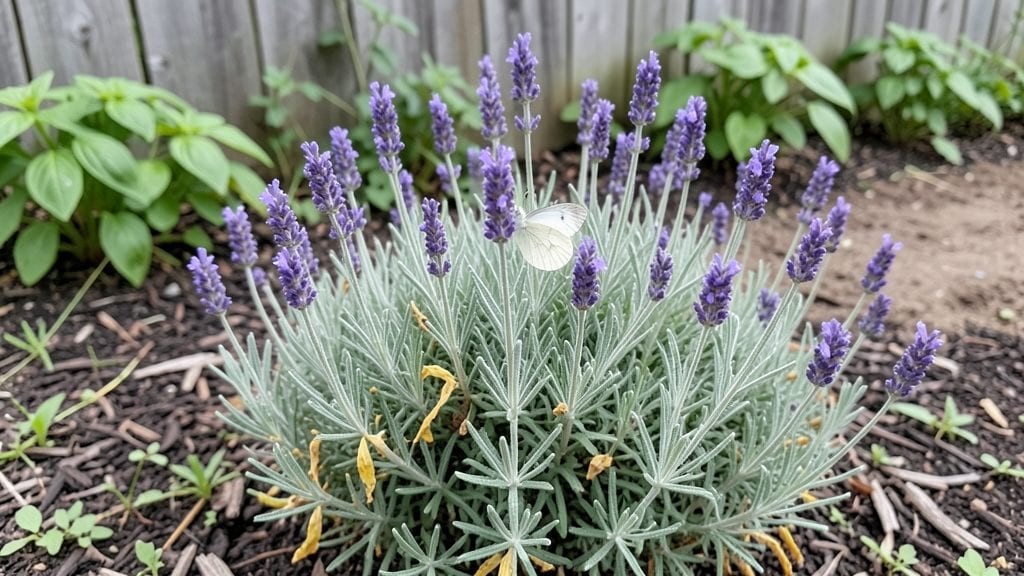
Animal deterrent plants can turn your garden into a fortress against rabbits, deer, and even squirrels without harsh chemicals. 🌿 I learned the hard way—my prized tulips vanished overnight until I planted a border of daffodils and lavender.
These powerhouses don’t just look pretty; they release scents and compounds that pests find unbearable.
The right plants work like a natural security system. Marigolds, for example, repel nematodes and rabbits with their strong fragrance, while rosemary deters cabbage moths and deer.
Plant them strategically—along borders, near vulnerable crops, or in clusters to create a scent barrier. Even a few pots on your patio can make a difference.
You’ll see results almost immediately: fewer chewed leaves, no vanished seedlings, and a garden that thrives without constant vigilance. The key is combining plants that target specific pests—like snapdragons for slugs or alliums for aphids—while keeping your layout flexible for seasonal shifts.
That said, no plant is 100% foolproof. Deer might still browse if desperate, and some pests ignore certain scents. Pair these plants with physical barriers or mulch for extra protection. Here’s how to build your pest-repelling garden step by step!
📚 In This Guide
- What you need
- Instructions
- Tips and common mistakes
- Wrapping up and next steps
What you need
- ● Animal-deterrent plants: Choose 3–5 species from the list (e.g., lavender, marigolds, garlic chives, rosemary, or lemongrass). Aim for 5–10 mature plants (or seeds/saplings) depending on garden size.
- ● Potting soil or garden soil: 1–2 bags (2–3 cubic feet each) for planting in-ground or containers.
- ○ Containers (optional for small spaces): 5–10 pots (6–12 inches wide) with drainage holes if not planting directly in the ground.
- ● Organic fertilizer: A balanced, slow-release formula (e.g., 10-10-10) or compost (1–2 cups per plant).
- ● Watering can or hose: With a gentle spray nozzle for hydration.
- ● Gloves and pruning shears: A pair of durable gardening gloves and small shears for trimming.
- ● Mulch (straw or wood chips): 2–3 bags to retain moisture and suppress weeds.
- ● Plant markers: Small stakes or labels to track your pest-repelling lineup.
- ● Pest-repelling sprays (DIY): Ingredients like peppermint oil, cayenne pepper, or citrus peels for homemade deterrents.
- ● Garden twine or stakes: For supporting taller plants (e.g., lemongrass or rosemary).
Step-by-Step guide to planting animal deterrent powerhouses
Here’s how to strategically place these pest-repelling plants for maximum protection.
🌱 Step 1: Choose High-Impact Deterrent Plants
Select four key species known for their repellent properties: lavender (deters rabbits and deer), rosemary (keeps mosquitoes and moths away), marigolds (ward off nematodes and rabbits), and foxglove (discourages deer and rodents). Each serves a unique purpose, so plant them in clusters around vulnerable areas—near patios, vegetable beds, or entry points.
I always start with lavender near seating areas because its strong scent deters both pests and humans (so it won’t interfere with your enjoyment). For vegetable gardens, marigolds are non-negotiable—they release a compound that repels nematodes while attracting beneficial insects. Space plants 12-18 inches apart to allow airflow and prevent fungal issues.
🪴 Step 2: Prepare Planting Sites Strategically
Assess your garden’s trouble spots first. Deer and rabbits often target tender perennials, so plant foxglove and rosemary in 6-inch-deep holes along borders or near high-value plants. For ground cover, lavender thrives in well-draining soil—amend heavy clay with 1 part sand to 3 parts potting mix before planting.
Marigolds are versatile but need full sun—place them where they’ll get 6+ hours daily, ideally near tomatoes or peppers. If your soil is poor, mix in 1 cup compost per hole to give roots a nutrient boost. Water deeply after planting to eliminate air pockets, but avoid soggy soil, which invites root rot.
☀️ Step 3: Maintain Optimal Conditions for Repellent Power
Most deterrent plants thrive in full sun to partial shade, but rosemary and lavender demand 6+ hours of direct sunlight to maintain their strong scents. Mulch with 2 inches of pine straw to suppress weeds and retain moisture—just keep it 3 inches away from stems to prevent rot.
Water deeply once weekly (or more in heatwaves) but let soil dry between waterings. Overwatering dilutes the essential oils that deter pests. You’ll know moisture is right when the top 1 inch of soil feels dry to the touch. Fertilize lightly in spring with ½ cup 10-10-10 fertilizer per plant to encourage robust growth.
✂️ Step 4: Prune and Renew for Long-Term Protection
Deadhead spent blooms on marigolds and foxglove to redirect energy into new growth and scent production. Trim rosemary and lavender back by ⅓ in early spring to prevent woody stems. This keeps their foliage dense and scent potent—critical for deterring pests.
Every 2-3 years, divide clumps of lavender or rosemary to rejuvenate them. Replace old plants with fresh ones, as their repellent oils weaken over time. Rotate marigolds annually to prevent soil-borne pests from building up resistance.
💧 Step 5: Combine with Physical Barriers for Extra Defense
While plants deter many pests, combine them with chicken wire around young seedlings or floating row covers for high-risk areas. Foxglove deters deer, but young plants may still need protection until established. Bury 12 inches of wire around vulnerable beds to block burrowing rodents.
For mosquitoes, place rosemary near patios and pair it with a small citronella plant in a pot. The combined scents create a stronger repellent zone. Monitor for pests weekly—if you spot chewed leaves, reinforce with neem oil spray (1 tbsp per gallon of water) as a last resort.
Tips & tricks for perfect animal deterrent plant arrangements
Creating an effective pest-repelling garden takes more than just planting—it's about strategic placement and ongoing care. Here are the secrets that'll make your deterrent plants work harder for you.
Location Strategy: In Step 1, when placing your lavender and rosemary, position them near wind paths where their scents can disperse naturally. Deer and rabbits have acute senses of smell—these plants need to be where pests will encounter them first. I've found that planting foxglove along property borders creates a natural barrier that animals instinctively avoid. For maximum impact, create a perimeter defense by planting marigolds in front of your most vulnerable crops.
Soil Science: The soil amendments in Step 2 are crucial, especially for lavender which thrives in the sand-to-potting mix ratio. If your soil is particularly heavy clay, consider raised beds for these plants—they'll reward you with stronger scent production. For marigolds, that 1 cup of compost per hole makes all the difference in establishing strong roots that can withstand pest pressure. I've seen marigolds fail completely when planted in depleted soil, so don't skip this step!
Seasonal Adjustments: The weekly watering guideline in Step 3 works for most climates, but adjust during extreme conditions. In drought periods, increase to twice weekly while maintaining that 1-inch dry soil rule. In humid climates, you might need to water every 4-5 days. The key is maintaining that balance—you want plants stressed enough to produce essential oils (which deter pests) but not so stressed they wilt. For rosemary and lavender, the 6+ hours of sunlight is non-negotiable for scent potency.
Pruning Precision: When you trim rosemary and lavender back by ⅓ in Step 4, focus on removing the oldest growth first. This encourages new, aromatic growth at the base where pests are most likely to encounter it. For foxglove, deadheading spent blooms isn't just about appearance—it redirects the plant's energy into producing more of those deer-repelling compounds. I've noticed that properly pruned plants develop a denser scent profile within just 2-3 weeks.
Pro Tips for Animal Deterrent Plants
- Creating an effective pest-repelling garden takes more than just planting—it's about strategic placement and ongoing care.
- Location Strategy: In Step 1, when placing your lavender and rosemary, position them near wind paths where their scents can disperse naturally.
- Soil Science: The soil amendments in Step 2 are crucial, especially for lavender which thrives in the sand-to-potting mix ratio.
Frequently asked questions
Got questions about using animal deterrent plants? You’re not alone!
Here are some of the most common queries—and their answers—to help you get started confidently.
Which plants are the most effective for keeping animals away?
Top picks include lavender (repels rabbits, deer, and moths), marigolds (deter rabbits and squirrels), rosemary (keeps deer and cats away), and garlic (scares off rodents and insects). For heavy-duty protection, combine a few of these in your garden layout.
How long does it take for these plants to start working?
Most deterrent plants begin showing effects within 2–4 weeks of planting, especially if they’re mature or well-established. Smaller plants or seedlings may take longer—up to 3 months—to develop enough scent or foliage to repel pests. Consistency is key!
Can I use animal deterrent plants in containers or small spaces?
Many deterrent plants thrive in containers, like mint (repels ants and spiders) or basil (deters flies and mosquitoes). Just ensure pots have drainage and enough space for roots. For balconies or patios, opt for compact varieties like dwarf lavender or lemongrass.
What if the animals ignore my deterrent plants?
If pests persist, try layering defenses: Combine plants (e.g., lavender + rosemary), add physical barriers (chicken wire for rabbits), or use natural repellents like peppermint oil sprayed on fences. Rotate plants seasonally to keep animals guessing!
Are there any plants I should avoid near deterrent plants?
Some plants attract pests that deterrent plants target. For example, tomatoes lure deer, while apples attract rodents—so keep these separate. Also, avoid planting mint near veggies, as it can stunt their growth. Research companion planting guides for harmony!
Wrapping up and next steps
Transforming your garden into a wildlife-free haven doesn’t have to mean harsh chemicals—animal deterrent plants offer a natural, eco-friendly solution!
From mint to lavender, these powerhouses repel pests while adding beauty and fragrance. Whether you’re battling deer, rabbits, or insects, the right plants can make your garden both thriving and protected.
Ready to take action? Start small—plant a few deterrents today and watch your garden flourish without the unwanted visitors!
🌱 Next step: Pick one plant from this list and add it to your garden plan—your future self (and your veggies!) will thank you.