
Companion Plants
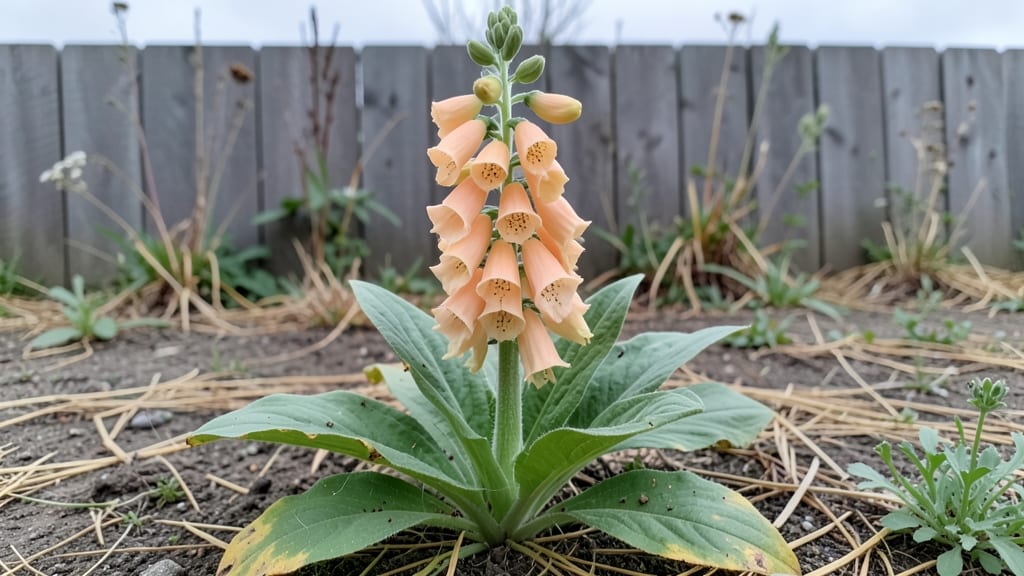
These apricot foxgloves plants bring a warm glow to cottage gardens that no other foxglove can match—those soft, buttery blooms stand out against deep greens like a sunset in the shade.
I’ve grown them for years, and the secret to their thriving isn’t just the right soil or sunlight—it’s knowing which plants to tuck beside them to keep pests at bay while boosting their showy height. These aren’t your grandma’s wilting foxgloves; they’re bold, reliable, and worth the extra care.
Start with well-draining soil mixed with compost—foxgloves hate soggy roots—and plant them where they’ll get partial shade (morning sun, afternoon shade works best). They’re tough once established, but young seedlings need consistent moisture without drowning.
Pair them with lavender (repels cabbage moths) or thyme (deters slugs), and watch how the combination keeps your garden looking lush without chemical sprays. The apricot hue also plays beautifully with purple salvia or silver foliage, creating a dreamy, textured border.
By midsummer, you’ll have 4- to 5-foot-tall spires of blooms that attract hummingbirds and deter common garden pests like aphids. The key is deadheading spent flowers to encourage more blooms and protecting the base from slugs with a ring of crushed eggshells or diatomaceous earth.
These aren’t just pretty—they’re the unsung heroes of low-maintenance, high-impact garden design.
Works in USDA Zones 3-9, though they self-seed aggressively in mild winters. If you love cottage gardens but hate the upkeep, apricot foxgloves are your secret weapon—just don’t let them naturalize where you don’t want them. Ready to transform a shady corner into a magnet for pollinators and compliments?
📚 In This Guide
- What you need
- Instructions
- Tips and common mistakes
- Wrapping up and next steps
What you need
- ● Apricot foxglove seeds or seedlings: 5–10 plants (or seeds) per apricot tree for optimal coverage.
- ● Well-draining potting mix: 2–3 bags (10–15 cubic feet each) for planting.
- ● Compost or organic fertilizer: 1–2 bags (10–20 lbs) to enrich soil.
- ● Mulch (straw or wood chips): 1–2 cubic yards to retain moisture.
- ● Garden trowel or shovel: 1 medium-sized tool for planting.
- ● Pruners (sterilized): 1 pair for trimming foxgloves as needed.
- ● Watering can or hose with a gentle nozzle: 1 for consistent hydration.
- ● Garden gloves: 1 pair to protect your hands.
- ● Sunlight: A location with partial shade to full sun (6+ hours/day).
- ● Soil pH: Slightly acidic to neutral (6.0–7.0). Test your soil if unsure.
- ● Space: At least 1–2 feet apart from apricot trees and other plants.
- ● Water source: Consistent access for the first 2–3 weeks post-planting.
- ● Slow-release fertilizer: 1–2 pellets for extra nutrients.
- ● Pest deterrent (neem oil or diatomaceous earth): For added protection.
- ● Decorative stones or pebbles: To enhance garden aesthetics.
Step-by-step guide to planting foxglove as an apricot tree companion
Here's how to strategically place foxglove to enhance your apricot tree's health and beauty.
Select the Optimal Planting Location
Foxglove thrives in partial shade, making it an ideal companion for apricot trees that benefit from dappled sunlight. Position foxglove plants 18-24 inches away from the apricot tree's drip line—close enough to deter pests but far enough to avoid root competition. The apricot's canopy will provide natural shade during the hottest afternoon hours, creating a microclimate that foxglove loves.
Test the soil pH before planting—foxglove prefers neutral to slightly acidic soil (6.0-7.0). If your soil tests alkaline, amend it with 2-3 inches of compost mixed into the top 6 inches of soil. This adjustment prevents nutrient deficiencies that often plague foxglove in alkaline conditions. The apricot tree's root zone will also benefit from this organic boost, creating a mutually supportive environment.
Prepare the Planting Site
Dig individual holes twice as wide as the foxglove root ball but only as deep as the container they're growing in. This prevents burying the crown, which leads to rot. Gently loosen the roots if they're circling the container—a quick soak in water for 10-15 minutes before transplanting helps reduce shock. I always remove any damaged or mushy roots with clean pruning shears to give the plant a healthy start.
Place each foxglove plant in its hole and backfill with a 50/50 mix of native soil and compost. Press the soil lightly around the roots to eliminate air pockets but avoid compacting it. Water deeply until the soil is evenly moist to a depth of 6 inches—this ensures roots establish quickly. The apricot tree's existing root system will help stabilize the soil moisture, reducing the need for frequent watering.
Establish Mulch and Watering Routine
Apply 2-3 inches of organic mulch (such as wood chips or straw) around each foxglove plant, keeping it 3 inches away from the stem to prevent rot. Mulch conserves soil moisture, suppresses weeds, and gradually enriches the soil as it decomposes. This layer also protects foxglove roots from temperature fluctuations, which is especially helpful in spring and fall when apricot trees are still establishing their full canopy.
Water newly planted foxglove once every 2-3 days for the first 2 weeks, ensuring the soil remains consistently moist but not soggy. After that, reduce to once weekly during dry spells, adjusting based on rainfall. Foxglove signals its water needs through its leaves—wilting or yellowing indicates underwatering, while mushy stems or brown spots mean overwatering. The apricot tree's deep roots will help regulate moisture levels in the surrounding soil.
Monitor for Pest Deterrence and Growth
Foxglove's tall spikes naturally disrupt pest pathways, making it harder for aphids and other sap-sucking insects to reach your apricot tree. You'll notice fewer pests on the apricot leaves within 4-6 weeks of planting, as the foxglove's strong scent and fuzzy foliage deter many common garden insects. Regularly inspect both plants for signs of infestation—sticky residue on leaves or visible bugs—and treat with neem oil if needed.
Prune foxglove stems back by one-third in early spring to encourage bushier growth and prevent them from becoming leggy. Deadhead spent blooms throughout the season to prolong flowering and redirect energy to root development. The apricot tree's pruning schedule can align with this maintenance, making seasonal care more efficient. By mid-summer, your foxglove should reach 2-3 feet tall, creating a striking vertical contrast against the apricot's horizontal branches.
Plan for Long-Term Companion Benefits
Foxglove's deep taproots improve soil structure over time, breaking up compacted areas that can hinder apricot root growth. Every 2-3 years, lightly aerate the soil around both plants using a garden fork to maintain this benefit. The foxglove's naturalized growth habit also attracts beneficial pollinators, which will enhance your apricot tree's fruit set in subsequent seasons.
In late fall, cut back foxglove stems to 2-3 inches above the ground to prevent disease buildup in old foliage. The apricot tree's dormant period aligns well with this cleanup, allowing you to focus on winterizing both plants simultaneously. With proper care, your foxglove companions will thrive for 5-7 years, continuously protecting and beautifying your apricot tree's base.
Tips & tricks for perfect apricot tree companion planting with foxglove
These practical insights will help you maximize foxglove's benefits while ensuring both your apricot tree and companion plants thrive together.
Soil Preparation Insight: When amending alkaline soil with 2-3 inches of compost, mix it thoroughly into the top 6 inches to create an ideal root zone. I've found that adding a handful of sulfur granules to the compost mix can further lower pH levels for foxglove's preference of 6.0-7.0. This dual approach ensures both the foxglove and apricot roots receive optimal growing conditions simultaneously, creating a synergistic environment that benefits both plants long-term.
Transplanting Technique: The 10-15 minute root soaking before transplanting is crucial for reducing shock. I recommend using room-temperature water rather than cold tap water to prevent temperature stress on the roots. After soaking, gently shake off excess water before planting - this helps maintain proper moisture levels without creating waterlogged conditions. The foxglove's delicate root system will appreciate this careful handling, especially when positioned 18-24 inches from the apricot's drip line.
Mulching Strategy: For the 2-3 inches of organic mulch, I prefer using coarse wood chips rather than straw because they break down more slowly, providing longer-term moisture retention. The key is maintaining that 3-inch clearance from the stem to prevent rot while still protecting roots from temperature fluctuations. This mulch layer will also help suppress weeds that could compete with both plants for nutrients during their critical establishment period.
Pest Monitoring System: To maximize foxglove's pest-deterrent effects, I recommend installing a small white board near the plants every 4-6 weeks after planting. The board will catch any aphids or other insects that might jump from the foxglove to your apricot tree, giving you an early warning system. This simple addition helps you address potential issues before they become established, allowing the foxglove's natural defenses to work more effectively.
Pro Tips for Apricot Foxgloves Plants
- These practical insights will help you maximize foxglove's benefits while ensuring both your apricot tree and companion plants thrive together.
- Soil Preparation Insight: When amending alkaline soil with 2-3 inches of compost, mix it thoroughly into the top 6 inches to create an ideal root zone.
- Transplanting Technique: The 10-15 minute root soaking before transplanting is crucial for reducing shock.
Frequently asked questions
Got questions about pairing apricot trees with foxgloves for pest-resistant gardens? You’re not alone!
Here are the most common concerns—and straightforward answers—to help you grow a thriving, low-maintenance orchard edge or border.
1. How close can I plant foxgloves to my apricot tree?
Keep foxgloves at least 3–4 feet away from the apricot tree’s trunk to avoid root competition. Their deep taproots and the tree’s shallow system can clash if planted too close. Instead, use foxgloves as a living border around the drip line or in nearby flower beds. Pro tip: Space them in clusters of 3–5 plants for a dramatic, pest-deterring effect!
2. Will foxgloves attract bees or other pollinators to my apricot tree?
Foxgloves are a magnet for bees, butterflies, and hoverflies—all of which boost apricot pollination. However, their nectar is not ideal for honeybees (they prefer shallow flowers). Plant them along the orchard’s perimeter to lure beneficial insects away from the tree’s blossoms if needed.
3. Do foxgloves help with apricot tree pests like aphids or borers?
Yes! Foxgloves repel aphids, cabbage worms, and even some borers thanks to their toxic saponins. However, they won’t solve deep-rooted issues like peach leaf curl. For maximum defense, pair them with garlic, marigolds, or thyme. Monitor for foxglove moth caterpillars (harmless to apricots but ugly on the plants!).
4. When is the best time to plant foxgloves near my apricot tree?
Plant foxgloves in early spring or fall (avoid summer heat). Their seeds need stratification (cold treatment) to germinate, so sow them outdoors in fall or start them indoors 8–10 weeks before the last frost. Pro tip: If your climate is hot, mulch heavily to retain moisture—foxgloves hate drying out!
5. What if my foxgloves don’t thrive near my apricot tree?
Check these troubleshooting steps:
- Soil: Foxgloves prefer well-draining, slightly alkaline soil (pH 6.5–7.5). Test your soil and amend with lime if needed.
- Sunlight: They tolerate partial shade but bloom best in morning sun. Avoid deep shade under dense apricot canopies.
- Watering: Keep soil consistently moist (not soggy) during their first year. Drought stress = fewer blooms.
- Alternatives: Try Russian sage, lavender, or catmint if foxgloves struggle in your microclimate.
Wrapping up and next steps
Growing apricot foxgloves alongside your apricot trees isn’t just a gardening trick—it’s a natural, chemical-free way to boost your orchard’s health and beauty! 🌿 These striking companions deter pests, improve soil, and create a stunning visual display, making your garden both thriving and breathtaking.
Now that you’re armed with the how-to and answers to common questions, why not take the next step? Start small—plant a few foxgloves this season—and watch your apricot trees flourish with less effort and more rewards!