
Vegetables
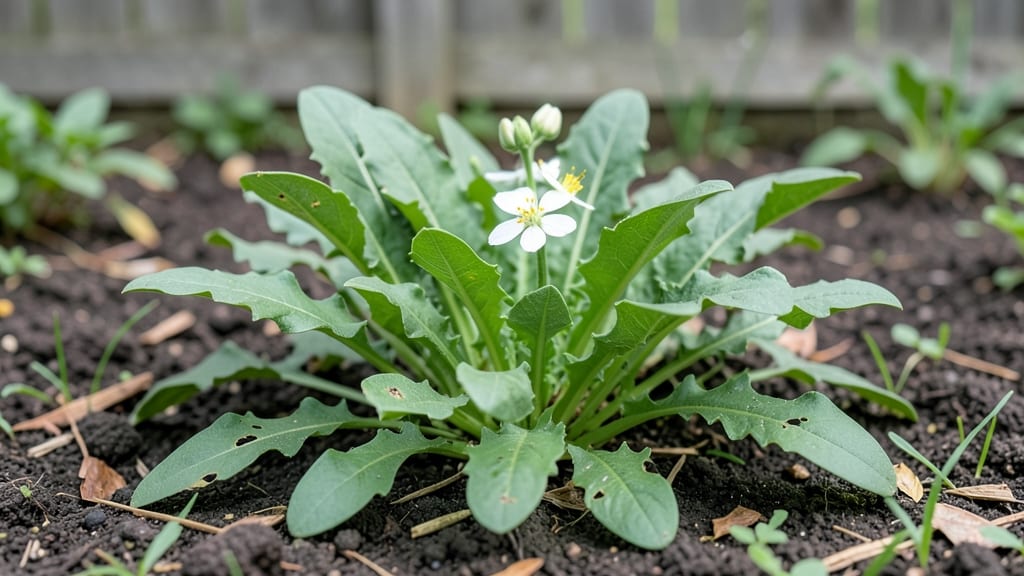
When your arugula plant flowers, it’s not just a pretty sight—it’s a turning point for your harvest.
Did you know those delicate white blooms signal both the end of its prime leafy phase and a chance to coax even more greens? Timing your harvest around these flowers can mean the difference between bitter leaves and a second flush of flavorful crops.
In Zone 6a, where spring and fall are your best planting windows, those blooms appear 30-60 days after sowing—right when your patience is rewarded. But here’s the catch: if you let them go to seed, you’ll lose that tender, peppery taste you love.
Below, I’ll show you how to spot the first signs of flowering, when to harvest for the best flavor, and how to encourage regrowth—so you can enjoy fresh 🌱 arugula all season long.
When and why arugula flowers signal harvest time and regrowth potential
Arugula’s delicate white flowers are nature’s way of telling you two things: it’s time to harvest for the last peak-flavor crop, and the plant is preparing for regrowth potential. These blooms, called bolting, mark a shift from leaf production to seed development.
Understanding this process helps you time your harvest perfectly—just 3-5 days before flowers appear—to enjoy the sweetest, most tender leaves while still allowing the plant to produce a second wave of greens.
When arugula bolts, it’s responding to temperature triggers—typically warm days (70°F+) and cool nights—or stress like drought or over-maturity. In spring, this often happens 4-6 weeks after planting as days lengthen.
In fall, cooler temperatures can delay bolting until late season. Recognizing these climate-specific patterns helps you plan harvests around flowering cycles for continuous yields.
| Stage | Key Features | Action | Flavor Impact |
|---|---|---|---|
| Pre-Flowering (21-30 days) | Dark green, tender leaves; no buds | Harvest outer leaves regularly | Peak sweetness, mild peppery notes |
| Early Flowering (3-5 days before blooms) | Small buds forming; leaves toughening | Harvest entire plant or largest leaves | Slightly bitter; harvest for last crop |
| Full Flowering (White blooms open) | Leaves bitter; stems elongating | Allow seeds to form for regrowth | Too bitter for eating; focus on seeds |
| Post-Flowering (Seed pods) | Dry seed pods; leaves wilted | Collect seeds; remove plant | N/A; save seeds for next season |
The 3-5 day window before flowers is your sweet spot for harvesting. During this time, arugula leaves are still tender but starting to develop bitter compounds as the plant shifts energy to reproductive growth.
To preserve regrowth potential, avoid cutting the central stem—this is where new leaves will sprout after flowering. Instead, harvest outer leaves or use the cut-and-come-again method, leaving the inner rosette intact.
In cool-season climates (Zones 3-7), arugula often bolts in early spring (March-April) or late fall (September-October). In warmer zones (8-10), bolting can occur year-round but peaks in late winter when days lengthen.
Pay attention to your local frost dates: if your last frost is April 15, plan to harvest arugula by mid-March to avoid heat-induced bolting.
Did you know arugula flowers are edible? While the leaves become bitter during bolting, the white flowers add a mild peppery crunch to salads. The seed pods can even be dried and roasted for a nutty snack.
This dual-purpose trait makes arugula a versatile garden crop—you’re not just losing a harvest when flowers appear; you’re gaining a new ingredient for your kitchen.
To delay bolting in warm weather, use shade cloth (30-50%) to reduce heat stress and keep soil consistently moist. Avoid over-fertilizing with nitrogen, as this encourages rapid leaf growth that can trigger early flowering.
Instead, opt for a balanced fertilizer (5-10-10) applied lightly every 4-6 weeks to support steady growth without stressing the plant.
If you’re growing arugula in containers, bolting can happen 2-3 weeks earlier than in-ground plants due to warmer root zones. Choose shallow containers (6-8 inches deep) and place them in partial shade during peak afternoon sun to extend the harvest window.
Container-grown arugula also benefits from daily watering to prevent soil drying, a common trigger for bolting.
One of my favorite tricks to prolong arugula’s harvest is succession planting. Sow new seeds every 2 weeks throughout the spring and fall seasons. This way, as one batch bolts and flowers, another is just reaching its peak leaf stage.
Pair this with shade strategies (like row covers) to create a rolling harvest that lasts 8-10 weeks in optimal climates.
Remember, bolting isn’t a failure—it’s part of arugula’s natural lifecycle. By understanding the 3-5
Step-by-step guide to harvesting arugula before flowers for maximum flavor
Harvesting arugula just before its white flowers appear is the secret to unlocking its peak flavor and encouraging a second harvest. The moment you spot those tiny buds forming, your 3-5 day window begins—this is when leaves are still tender but packed with the most peppery sweetness.
Miss this window, and you’ll risk bitter leaves or wasted plants. The good news? With the right techniques, you can harvest arugula without triggering bolting acceleration, ensuring your plant stays productive for weeks longer.
Before grabbing your shears, gather these essentials: a pair of sharp pruning scissors or a clean knife, a bucket of ice water to preserve freshness, and a gardening glove to protect your hands from the spiky leaves.
Work on a cool morning when temperatures are below 70°F to reduce stress on the plant. This isn’t just about harvesting—it’s about setting your arugula up for a successful regrowth after flowering.
- Step 1: Identify the right stage – Look for small buds (about 1/4 inch) forming at the plant’s center. These signal your 3-5 day harvest window before full blooms appear.
- Step 2: Choose your method – For cut-and-come-again, snip outer leaves 1-2 inches above the soil, leaving the inner rosette intact. For a full harvest, cut the entire plant 2 inches above the base.
- Step 3: Avoid the central stem – Never cut into the main stem (the thickest part at the center). This is where new leaves will regrow after flowering. Focus on outer leaves or harvest the whole plant at once.
- Step 4: Preserve freshness – Immediately place harvested leaves in a bucket of ice water to crisp them up. Rinse gently to remove dirt, then pat dry with a clean towel before storing in the fridge for up to 5 days.
- Step 5: Encourage regrowth – After harvesting, water the plant deeply to reduce stress. Apply a light layer of compost around the base to replenish nutrients. If the plant bolts, allow it to go to seed—these seeds can produce a second wave of greens in 4-6 weeks.
- Step 6: Monitor for bolting – If you notice elongated stems or yellowing leaves after harvest, your plant may be stressed. Provide partial shade (30-50% cloth) and consistent watering to delay further bolting.
One common mistake I see is over-harvesting when arugula starts flowering. If you remove too many leaves at once, the plant diverts all its energy to seed production, leaving little for regrowth. Instead, prioritize selective harvesting: snip just the outermost leaves and leave the inner growth untouched.
This method keeps your arugula productive for 2-3 more weeks after flowering, giving you time to enjoy a second harvest.
For container-grown arugula, timing is even more critical. Since pots heat up faster, bolting can occur 2-3 weeks earlier than in-ground plants. To combat this, choose shallow containers (6-8 inches deep) and place them in dappled shade during peak afternoon sun.
Container plants also benefit from daily watering—let the top 1/2 inch of soil dry between waterings to prevent stress-induced bolting.
Pro tip: If your arugula bolts prematurely (before 30 days of growth), it’s often a sign of heat stress or over-maturity. To fix this, move plants to a cooler, shadier spot and reduce watering slightly.
Arugula thrives in 50-60°F temperatures—anything above 75°F will accelerate bolting. By mastering these techniques, you’ll turn your arugula’s flowers from a signal of failure into a harvest opportunity.
Remember, every time you harvest arugula before flowering, you’re not just getting fresh greens—you’re extending the plant’s lifecycle. With the right approach, a single arugula plant can give you two full harvests: one before flowering and a second wave of leaves after seeds form.
That’s double the flavor for minimal effort!