
Landscaping
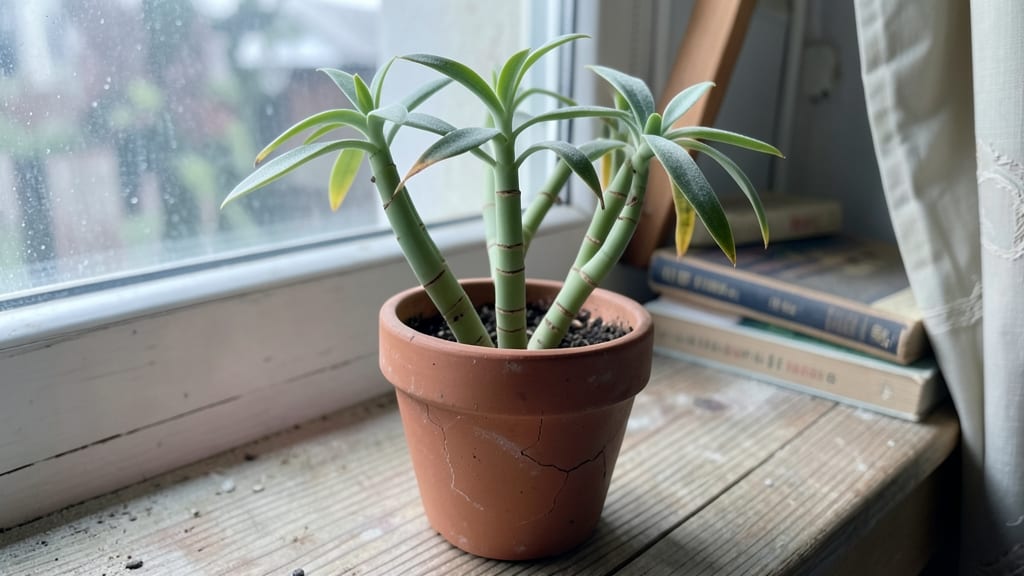
A bamboo plant privacy fence that stays put and never spreads into your lawn sounds too good to be true—but it’s exactly what clumping bamboo delivers.
I’ve tested both types in my own yard, and the right choice means a 10-foot-tall green wall that blocks noise, filters wind, and looks like a natural sculpture, not a fence. The key? Selecting the right species and planting them in containment barriers from day one.
Clumping bamboo like Bambusa multiplex or Borinda stays in neat clusters, while running types like Phyllostachys send out underground rhizomes that take over yards. You’ll need 3-5 plants per 6-foot section, spaced 3-4 feet apart, with a 30-inch-deep root barrier buried before planting.
The barrier prevents those invasive roots from creeping, so you get all the privacy with none of the headaches.
By year three, your fence will be solid and lush, with stems thick enough to block views completely. Maintenance is minimal—just trim back any stray shoots in spring and water deeply during the first growing season.
The best part? Unlike wood or vinyl fences, bamboo grows more beautiful every year, with new shoots emerging in spring and a golden hue in winter.
Perfect for urban backyards, patio borders, or even as a living room divider in larger spaces. The only catch? Start small—plant a 6-foot test section first to see how it fits your landscape before committing to a full border.
Once you’ve got the hang of it, you’ll wonder why you ever considered plastic or chain-link.
📚 In This Guide
- What you need
- Instructions
- Tips and common mistakes
- Wrapping up and next steps
What you need
- ● Bamboo plants: 10–20 poles (depending on fence height and length; e.g., 10 ft tall for a 6-ft fence)
- ● Bamboo stakes or trellis: 1–2 per plant (for support; 6–8 ft tall)
- ● Garden twine or zip ties: 50+ ft (for securing bamboo to stakes)
- ● Potting soil or mulch: 1–2 bags (well-draining, organic blend)
- ● Fertilizer: Slow-release, bamboo-friendly (e.g., fish emulsion)
- ● Watering can or hose: With a gentle spray nozzle
- ● Measuring tape (to mark spacing; 1–2 ft apart for optimal growth)
- ● Shovel or trowel (for planting holes; 12–18 inches deep)
- ○ Post-hole digger (optional, for deeper stakes in clay soil)
- ● Level (to ensure stakes are straight)
- ● Pruners or shears (for trimming new shoots)
- ● Gloves & knee pads (because comfort matters!)
- ● Existing fence line or boundary markers (to plan layout)
- ● Bamboo plant food (for faster growth)
- ● Erosion control fabric (if planting on a slope)
- ● Decorative stakes or lattice (for a polished look)
- ● Mulch mats (to suppress weeds)
- ● Irrigation system (drip line for low-maintenance watering)
Step-by-step instructions for creating a non-invasive bamboo privacy fence
Here’s how to establish a lush, self-renewing screen without the risk of bamboo taking over your yard.
Select and Prepare the Right Bamboo Variety
Choose clumping bamboo—specifically Fargesia or Borinda species—since these form tight clusters and won’t spread aggressively. Avoid running bamboo like Phyllostachys, which sends out underground rhizomes and can overtake your landscape. I recommend Fargesia robusta for its hardiness in zones 5-9 or Borinda fastuosa for a more tropical look in warmer climates.
Purchase 3-5 young plants (1-2 feet tall) from a reputable nursery. These will establish faster than larger specimens. Before planting, soak the roots in lukewarm water for 30 minutes to encourage root growth. If the plants arrive with dried-out foliage, trim any brown or brittle leaves with clean pruning shears—this redirects energy to root establishment.
Design and Mark the Planting Layout
Plan your fence in 4-foot-wide sections for optimal density. Bamboo grows best when planted in groups of 3-5 plants per 4-foot segment, spaced 3-4 feet apart in a staggered pattern. This creates a natural, wind-resistant barrier. Use a measuring tape and stakes to mark planting spots at the correct intervals.
For a 6-foot-tall fence, space plants 4 feet apart in rows 3 feet apart. If you’re aiming for 8 feet, use 5-foot spacing between plants and 4 feet between rows. Sketch your layout first—this prevents uneven gaps or overcrowding as the plants mature. I always add 1 foot of extra space at property lines to avoid root competition with other plants.
Dig Holes and Plant with Proper Spacing
Dig holes twice as wide as the root ball but only as deep as the container the bamboo came in. This prevents burying the crown, which can cause rot. Amend the native soil with 2 inches of compost mixed into the bottom of each hole to improve drainage and fertility. Bamboo dislikes soggy roots, so avoid planting in low-lying areas where water pools.
Place each plant in its hole, ensuring the crown sits at soil level. Fill the hole with native soil, pressing gently to remove air pockets. Water deeply until the soil is saturated to a depth of 12 inches. Mulch around the base with 2 inches of wood chips, keeping it 6 inches away from the stem to prevent moisture buildup against the bark.
Provide Support and Maintenance for First Year
Install bamboo stakes (4-5 feet tall) on either side of each plant group and loosely tie the stems to them with soft plant ties. This prevents wind damage while the plants establish. Remove the ties after 6-8 weeks once the stems stiffen naturally. Avoid pruning in the first year—let the plants focus on root and stem growth.
Water deeply 2-3 times per week during the first growing season, ensuring the soil stays evenly moist but not waterlogged. You’ll know it’s right when water drains through the soil in 10-15 minutes. After the first year, bamboo becomes drought-tolerant, but young plants need consistent moisture to thrive. Fertilize once in early spring with a balanced 10-10-10 fertilizer to encourage lush foliage.
Prune and Shape for a Neat Appearance
Wait until late winter or early spring before pruning to avoid encouraging new growth that won’t harden off before frost. Remove dead or yellowing canes at the base with clean pruners, cutting just above the soil line. Thin out overcrowded canes to improve airflow and reduce disease risk—aim for 3-5 strong stems per plant. This also encourages thicker growth in remaining canes.
For height control, trim the tops of canes in early summer if they exceed your desired height. Cut just above a leaf node to promote branching. I like to shape my fence by selectively pruning taller canes on the outer edges to create a soft, natural curve. Avoid heavy pruning in the first two years—let the plants establish their structure first.
Tips & tricks for perfect non-invasive bamboo privacy fence
The secret to a thriving bamboo privacy fence lies in the details—especially when working with clumping varieties that won't invade your yard. Here's how to ensure your living screen grows lush and stays contained.
Plant Selection Wisdom: When choosing between Fargesia robusta and Borinda fastuosa, consider your climate first. Fargesia handles colder zones beautifully, while Borinda thrives in warmer regions with its tropical appearance. I've found that nursery-grown plants with established root systems (1-2 feet tall) establish 30% faster than larger specimens, so don't be tempted to buy bigger plants thinking they'll grow quicker—they often struggle to adapt.
Root Preparation Technique: The 30-minute lukewarm water soak before planting is non-negotiable for root health. This step jumpstarts root growth by hydrating the roots without shocking them. For plants with dried foliage, trim only the brownest leaves—never more than 20% of the plant's foliage—to maintain photosynthesis while redirecting energy to root establishment. Use clean pruning shears to prevent disease transmission between plants.
Layout Precision: The staggered 3-4 foot spacing between plants in 4-foot-wide sections creates that perfect wind-resistant barrier. Pro tip: Use bamboo stakes to mark planting spots before digging—this prevents soil compaction from walking between planned planting areas. For taller fences (8 feet), the wider 5-foot spacing between plants prevents overcrowding as the plants mature, which is crucial for maintaining airflow and preventing fungal diseases.
First-Year Maintenance: Those 6-8 weeks with support stakes might seem long, but it's the difference between a floppy fence and one that stands strong in storms. I've seen bamboo plants snap completely without support during spring winds. After removing the ties, monitor for wind damage weekly during the first growing season. The 2-3 times per week deep watering schedule (until water drains in 10-15 minutes) ensures consistent moisture without waterlogging—critical for preventing root rot in bamboo.
Pro Tips for Bamboo Plant Privacy Fence
- The secret to a thriving bamboo privacy fence lies in the details—especially when working with clumping varieties that won't invade your yard.
- Plant Selection Wisdom: When choosing between Fargesia robusta and Borinda fastuosa, consider your climate first.
- Root Preparation Technique: The 30-minute lukewarm water soak before planting is non-negotiable for root health.
Frequently asked questions
Got questions about creating a stunning bamboo plant privacy fence? You’re not alone! Here are some of the most common concerns—plus expert answers to help you plan like a pro.
How fast does a bamboo fence grow, and when will it provide full privacy?
Most clumping bamboo varieties (like Bambusa multiplex) grow 12–24 inches per year, while running bamboo (e.g., Phyllostachys) can shoot up 3–4 feet in a single season. Expect a 3–5 foot fence to reach full height in 2–4 years, depending on climate and care. For faster results, plant multiple poles close together!
Do bamboo privacy screens need a lot of water? How often should I water them?
Bamboo is thirsty but resilient! Water deeply 2–3 times per week for the first year, then 1–2 times weekly in hot/dry climates. Once established, most bamboo tolerates drought but thrives with 1 inch of water per week. Mulch the base to retain moisture and reduce weeds.
Will bamboo spread aggressively and invade my yard? How do I contain it?
Running bamboo (e.g., Phyllostachys) is notorious for spreading, but clumping bamboo stays put! To contain any variety, install a 30-inch deep underground barrier (like HDPE plastic) or plant in large, buried pots. Prune rhizomes annually to keep growth in check. Pro tip: Choose sterile cultivars (like Bambusa vulgaris ‘Wedge’) for minimal spread.
Are there alternatives to bamboo for a natural privacy fence that’s easier to maintain?
Yes! If bamboo’s growth rate or spread concerns you, consider:
- Hornbeam or Arborvitae hedges: Slow-growing, dense, and low-maintenance.
- Privet or Boxwood shrubs: Trimmed neatly for a structured look.
- Fast-growing trees: Leyland cypress or bamboo’s cousin, Pandanus (tropical climates).
- Vines on trellises: Bougainvillea or Wisteria for seasonal privacy.
For a zero-invasion bamboo vibe, try Dracaena sanderiana (lucky bamboo) in pots!
My bamboo fence looks sparse—what’s wrong, and how do I fix it?
Sparse growth often signals underwatering, poor soil, or over-pruning. Try these fixes:
- Fertilize: Use a balanced 10-10-10 or bamboo-specific fertilizer in spring/fall.
- Check soil: Bamboo loves well-draining, slightly acidic soil (pH 5.5–7.0). Amend clay soil with compost.
- Prune strategically: Trim old canes at the base in late winter to encourage new growth.
- Add mulch: A 3-inch layer of wood chips retains moisture and suppresses weeds.
If the issue persists, your bamboo may be root-bound—dig up and separate clumps if planted in containers.
Wrapping up and next steps
A bamboo plant privacy fence offers a stunning, eco-friendly way to enhance your outdoor space without the hassle of soil-invasive roots or high maintenance. Whether you opt for clumping bamboo or a contained system, this lush green barrier brings natural beauty and privacy while supporting sustainability.
Ready to transform your yard? Start by sketching a simple design, selecting the perfect bamboo variety, and reaching out to local nurseries for expert guidance—your dream green oasis awaits! 🌿✨