
Companion Plants
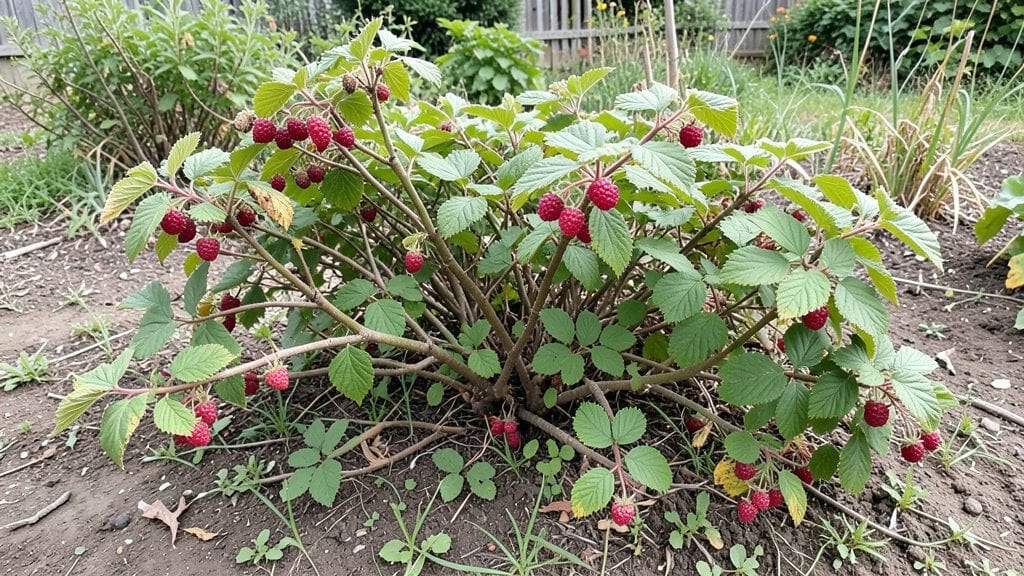
The best berry plants transform your yard into a sweet, productive haven—without turning you into a full-time gardener. 🌿 I’ve grown strawberries that ripen from spring to fall, blueberries that turn the bushes deep purple, and blackberries that produce enough for friends to take home jars.
These varieties thrive with simple care, and the payoff is berries so flavorful you’ll question store-bought ones.
Strawberries need just 6 hours of sun and well-draining soil, while blueberries demand acidic conditions (think peat moss or pine needles). Raspberries and blackberries, though, are the heavy hitters—they climb trellises, produce for years, and handle partial shade better than most.
The key is matching the plant to your space and climate, not the other way around.
By summer’s end, you’ll be harvesting pint-sized strawberries you can eat straight off the vine, juicy blueberries that stain your fingers, and thimble-sized blackberries perfect for pies. Even in small spaces, these plants deliver more fruit than you’ll know what to do with—and with minimal fuss.
Let’s get you started with the easiest, most rewarding varieties.
Whether you’re in a Zone 5 garden or a Zone 9 patio, these berries adapt—some even fruit twice a year. The secret? A little planning upfront (like trellises for canes or mulch to retain moisture) saves headaches later. Ready to turn your yard into a berry buffet?
📚 In This Guide
- What you need
- Instructions
- Tips and common mistakes
- Wrapping up and next steps
What you need
- ● Berry plants: Choose 3–5 varieties (e.g., strawberries, blueberries, raspberries, blackberries, or currants) based on your climate zone and space.
- ● High-quality potting soil or compost: 10–20 gallons (depending on container size or garden bed). Look for well-draining, organic mixes with a pH tailored to your berries (e.g., acidic soil for blueberries, neutral for strawberries).
- ● Containers or garden beds: Containers: 5–10 gallon pots (1 plant per pot for strawberries; larger for brambles like raspberries). Use fabric grow bags or ceramic/terracotta pots with drainage holes.
- ● Garden beds: Raised beds (4’x8’ minimum) or in-ground plots with 6–12 inches of amended soil.
- ● Mulch: 2–3 inches of straw, pine needles, or wood chips to retain moisture and suppress weeds.
- ● Fertilizer: Balanced fertilizer (10-10-10): 1–2 tablespoons per plant at planting time.
- ● Slow-release organic fertilizer: Granular or spike form (e.g., fish emulsion, composted manure) for ongoing nutrients.
- ● pH adjusters: Sulfur (for lowering pH in blueberry beds) or lime (for raising pH in strawberry beds).
- ● Watering system: Drip irrigation kit or soaker hoses (to avoid wetting foliage and prevent disease).
- ● Pruning shears: Sharp, sterilized shears for trimming dead growth or shaping plants.
- ● Gloves & sun hat: Heavy-duty gardening gloves and a wide-brimmed hat for comfort.
- ● Trellis or stakes: For climbing berries like raspberries or blackberries (install at planting time).
- ● Row covers: Lightweight fabric to protect plants from pests or frost in early/late seasons.
- ● Soil tester kit: To monitor pH and nutrient levels regularly.
- ● Companion plants: Marigolds (pest-repellent) or borage (pollinator-friendly) to boost your garden’s health.
- ● Harvesting tools: Small pruners or scissors for picking berries cleanly.
How to select and plant the best berry plants for year-round harvests
Here’s the strategy I’ve perfected for growing four of the most rewarding berries—each chosen for their resilience, productivity, and ability to thrive with minimal fuss.
🌱 Step 1: Choose the Right Varieties for Your Climate
Start with everbearing raspberries—they produce fruit twice a year, even in cooler zones. I swear by ‘Heritage’ for its disease resistance and sweet flavor. For blackberries, ‘Triple Crown’ is a game-changer; it’s thornless, productive, and handles heat better than most. If you crave blueberries, ‘Bluecrop’ is the gold standard—it’s adaptable, cold-hardy, and delivers 1-2 gallons of berries per bush once established.
For something truly unique, gooseberries like ‘Pixwell’ are underrated gems. They’re hardy, drought-tolerant, and produce bright, tangy fruit that ripens early. Check your USDA zone—gooseberries thrive in zones 3-8, while blueberries need acidic soil (pH 4.5-5.5) and raspberries/blackberries prefer zones 5-9. Don’t skip this step—planting the wrong variety in your zone means wasted effort and poor yields.
☀️ Step 2: Prepare the Planting Site for Maximum Productivity
Berry plants need full sun (6-8 hours daily) and well-draining soil. I always test soil pH first—blueberries demand acidity, so I mix in 2-3 pounds of peat moss per planting hole to lower pH if needed. For raspberries and blackberries, amend the soil with 1-2 inches of compost and a handful of 5-10-10 fertilizer to kickstart growth. Gooseberries are low-maintenance but still appreciate loamy soil—they’ll tolerate poorer conditions but reward you with bigger fruit if you give them rich soil.
Space plants correctly: 3-4 feet apart for raspberries/blackberries, 4-5 feet for blueberries (they need room to spread), and 5 feet for gooseberries. I plant in raised beds for berries that spread aggressively—it keeps roots contained and makes harvesting easier. Mulch with 3-4 inches of straw or wood chips right after planting to suppress weeds and retain moisture. This is where most gardeners fail—they skip soil prep, and the plants struggle from day one.
💧 Step 3: Plant and Water for Strong Establishment
Dig holes twice as wide as the root ball but no deeper—burying too deep suffocates roots. Gently loosen roots if they’re circling in the container, then place the plant in the hole and backfill with soil. Water deeply to settle everything, then add 1 inch of mulch around the base (but not touching the stem). Berry plants need 1-1.5 inches of water per week—drip irrigation is ideal, but a soaker hose works too. I water early in the morning to reduce fungal risks from damp foliage.
Watch for new growth in 3-4 weeks—that’s your sign the plants are rooting well. If leaves yellow, it’s usually overwatering or poor drainage. Adjust immediately by letting the soil dry out slightly between waterings. For the first year, focus on root and leaf growth, not fruit production. Prune any dead or damaged canes right away, but leave the rest—you’ll shape the plant next spring.
✂️ Step 4: Prune and Maintain for Bountiful Harvests
Raspberries and blackberries need winter pruning—cut back old canes to the ground after harvest, and remove any weak or diseased growth. Blueberries benefit from light pruning in late winter, trimming back 1/3 of the oldest wood to encourage new, fruiting canes. Gooseberries are the easiest—just remove dead or crossing branches and thin out overcrowded growth. I prune in late winter or early spring before new growth starts, using clean, sharp pruners to avoid spreading disease.
Fertilize once in early spring with a balanced 10-10-10 (raspberries/blackberries) or acid-loving plant fertilizer (blueberries). Gooseberries don’t need much—just a light application of compost tea in spring. Harvest when berries are fully colored and slightly soft to touch—raspberries and blackberries ripen in late summer, blueberries in mid-to-late summer, and gooseberries as early as June. Don’t wait too long; overripe berries attract pests and fall off the plant.
🌿 Step 5: Extend the Season with Simple Tricks
To get year-round harvests, plant everbearing raspberries—they produce fall and spring crops. For blueberries, choose late-season varieties like ‘Patriot’ to extend your harvest into September. Gooseberries are early birds, so their fruit is ready before most other berries. I also protect plants with row covers in early spring to speed up ripening and shield fruit from late frosts. For winter interest, leave a few canes standing—they add texture to the garden even when not in fruit.
Pests are the biggest threat, but neem oil and row covers keep most issues at bay. Birds love berries, so I cover plants with netting once fruit starts coloring. With these varieties and care, you’ll get harvests from early summer through fall, and everbearing types will surprise you with spring fruit the following year. This isn’t just gardening—it’s a rewarding, low-maintenance feast waiting to happen.
Tips & tricks for perfect berry plant selection and care
These game-changing tips will transform your berry garden from good to spectacular—trust me, I've learned these the hard way after years of trial and error!
Variety Selection Strategy: When choosing between everbearing raspberries and blackberries, consider your climate's frost dates. In zones 5-7, 'Heritage' raspberries produce two full harvests per year—one in late summer and another in early spring. For blackberries, 'Triple Crown' handles heat better than traditional varieties, making it ideal for southern gardens where other types struggle. Gooseberries like 'Pixwell' are the unsung heroes—they fruit earlier than blueberries and tolerate more soil conditions, giving you an extended harvest window.
Soil Prep Game-Changer: The 2-3 pounds of peat moss for blueberries isn't just about acidity—it creates a perfect moisture-retention environment that prevents root rot. For raspberries and blackberries, that 1-2 inches of compost in Step 2 should be worked into the soil at least 6 inches deep to establish strong root systems. I've seen gardeners skip this and wonder why their plants produce weakly for years. Pro tip: Mix in 1 cup of bone meal with the compost for phosphorus boost during planting—your plants will thank you with bigger canes and more fruit next season.
Planting Depth Secret: Digging holes twice as wide as the root ball is crucial, but depth matters just as much. The top of the root ball should sit just below soil level—never deeper. I've ruined plants by burying them too deep, which suffocates the stem and causes rot. After planting, press soil gently around roots to eliminate air pockets, then water deeply. The 1-1.5 inches of water per week should be spread evenly—drip irrigation delivers this perfectly without wetting foliage.
Harvest Timing Hack: For berries that ripen in clusters (like raspberries), harvest every other day once they start coloring. This prevents overripe berries from attracting pests and falling off. Blueberries should be picked when they're deep blue and slightly soft to touch—they won't ripen further once picked. Gooseberries are the easiest to judge: they're ready when they're bright green and pull away from the stem easily. I always harvest in the morning when berries are coolest and most flavorful.
Pro Tips for Best Berry Plants
- These game-changing tips will transform your berry garden from good to spectacular—trust me, I've learned these the hard way after years of trial and error!
- Variety Selection Strategy: When choosing between everbearing raspberries and blackberries, consider your climate's frost dates.
- Soil Prep Game-Changer: The 2-3 pounds of peat moss for blueberries isn't just about acidity—it creates a perfect moisture-retention environment that prevents root rot.
Frequently asked questions
Got questions about growing your own berry plants? You’re not alone! Here are some of the most common queries—plus quick, actionable answers to help you cultivate a thriving berry garden with ease.
What’s the easiest berry plant for beginners?
If you’re new to gardening, strawberries and raspberries are your best bets! Strawberries thrive in containers or garden beds with minimal fuss, while raspberries are hardy and productive. Both reward patience with delicious fruit and adapt to various climates.
How long does it take for berry plants to produce fruit?
Most berries take 1–3 years to bear fruit, depending on the type:
- Strawberries: 6–12 months (everbearing varieties fruit twice a year!).
- Blueberries: 2–3 years (patience pays off—these are worth the wait!).
- Raspberries: 1–2 years (primocanes fruit the first year; floricanes the second).
Can I grow berries in containers or small spaces?
Strawberries, dwarf blueberries, and compact raspberry varieties (like ‘Heritage’ or ‘Boyne’) thrive in pots, window boxes, or vertical planters. Just ensure containers are at least 12–18 inches deep with drainage holes. Move pots indoors or to a sheltered spot if frost threatens.
What pests or diseases should I watch for?
Common culprits include:
- Birds: Use netting to protect ripe berries!
- Japanese beetles: Handpick or spray neem oil.
- Fungal diseases (like powdery mildew): Improve airflow, water at the base, and prune regularly.
- Root rot: Avoid overwatering and use well-draining soil.
Which berries are best for cooking vs. fresh eating?
| For Fresh Eating | For Cooking/Baking |
|---|---|
| Strawberries, raspberries, blackberries (sweet, juicy, and versatile!) | Blueberries, elderberries, currants (bold flavors hold up in jams, pies, and sauces). |
Wrapping up and next steps
Choosing the right berry plants can transform your garden—or even a small balcony—into a year-round treasure trove of sweet, nutritious snacks with minimal effort. From sun-loving blueberries to shade-tolerant raspberries, there’s a perfect variety for every space and climate. Start small, experiment, and enjoy the rewards!
Ready to get growing? Pick your favorite berry, grab your tools, and plant with confidence! 🌱✨ Whether you’re a seasoned gardener or a curious beginner, the juiciest harvests await—just a few seeds (or cuttings) away.