
Blooming
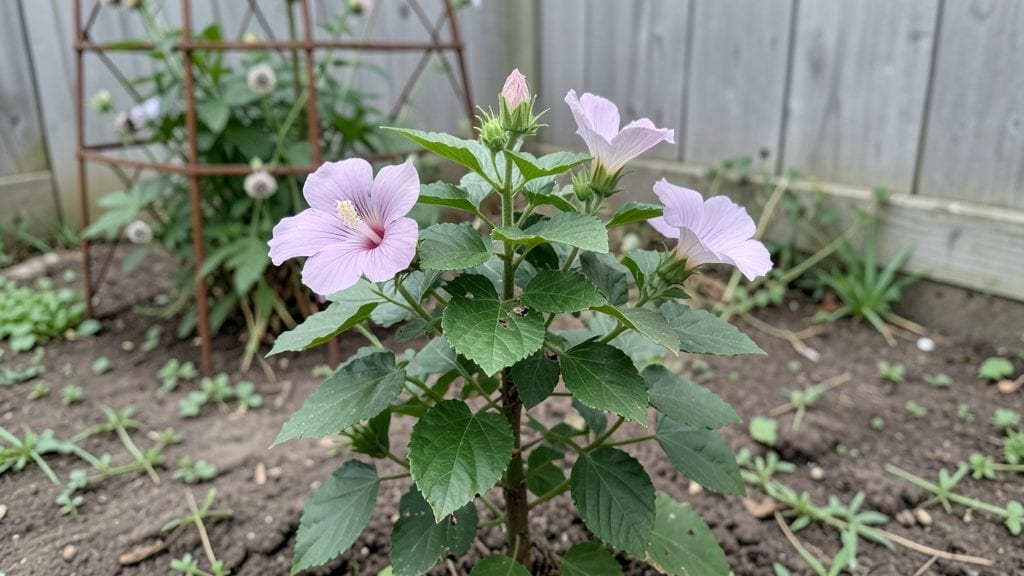
Mastering blooming plant identification by flower color and leaf shape saves hours of guessing—and keeps your garden thriving. 🌸 I spent years mislabeling plants until I learned to spot the subtle differences between a peony’s ruffled petals and a daylily’s arching blooms.
The right ID means you’ll know exactly where to plant them for maximum blooms.
Start with three simple clues: flower shape (cup-shaped, flat, or spiky?), leaf texture (fuzzy, smooth, or lobed?), and growth habit (climbing, bushy, or trailing). Snap a photo with your phone and use free apps like iNaturalist or PlantNet—they’ll narrow it down faster than flipping through a book.
Most gardeners get stuck on the "technical" terms, but you don’t need Latin names to know a sun-loving coneflower from a shade-tolerant impatiens.
Once you’ve got the ID, growing becomes intuitive. A hydrangea’s large, rounded blooms tell you it loves morning sun and afternoon shade, while a delicate columbine thrives in dappled light.
Recognizing these cues also helps you spot toxic lookalikes—like foxglove’s bell-shaped flowers that mimic salvia but pack a dangerous punch. No more mystery plants crowding your garden!
This method works year-round, whether you’re troubleshooting a wilting bloom or planning next season’s color palette. Grab a notebook and start observing—your garden’s secrets are hiding in plain sight. The first plant you ID correctly will feel like unlocking a cheat code.
What Triggers Flowering Seasons
Identifying blooming plants relies on understanding why they flower in the first place. While some plants bloom year-round, most follow seasonal cues tied to biology, environment, and even human intervention. Here’s why your garden’s floral displays change—and how to spot the patterns.
Every plant has a built-in schedule called floral induction, controlled by genes that dictate when buds form. Some species, like Hibiscus or Lilac, are programmed to bloom in spring or summer because their ancestors evolved in climates with predictable seasonal shifts.
Others, like Christmas Cactus, flower in response to shorter daylight hours in winter—a trait called short-day photoperiodism.
💡 Pro Tip: If a plant blooms at the "wrong" time (e.g., a spring-bloomer in fall), check its native habitat. For example, Peonies thrive in USDA Zones 3–8 because their genes sync with cold winters and warm springs.
Plants use photoperiodism—their response to daylight duration—to trigger blooming. There are three main types:
- Long-day plants (e.g., Petunias, Snapdragons): Need 14+ hours of light to flower. They bloom in summer when days stretch longest.
- Short-day plants (e.g., Poinsettias, Chrysanthemums): Flower when daylight drops below 10–12 hours, typically in fall/winter.
- Day-neutral plants (e.g., Zinnias, Marigolds): Bloom regardless of daylight, as long as they have enough light overall.
⚠️ Watch Out: Artificial grow lights can trick short-day plants into blooming early. If your Poinsettia flowers in June instead of December, you’ve likely disrupted its light cycle.
Many temperate-zone plants need a period of vernalization—exposure to cold temperatures—to "break dormancy" and flower. This is why Apple trees or Tulips won’t bloom if winters are too mild.
| Plant Type | Chill Hours Needed | Example |
|---|---|---|
| High-chill | 800–1,200 hours below 45°F (7°C) | Peaches, Plums |
| Moderate-chill | 300–600 hours below 45°F (7°C) | Cherries, Blueberries |
| Low-chill | 0–300 hours | Olive trees, Camellias |
🌡️ Actionable Fix: If your Fruit tree isn’t blooming, check your local chill hours. Some nurseries sell "low-chill" varieties (e.g., Peach ‘Redhaven’ vs. Peach ‘Elberta’) for warmer climates.
Plants won’t flower if they’re stressed. Overwatering or drought can delay blooming by diverting energy to survival, while nutrient imbalances (like too much nitrogen) promote leafy growth over flowers.
- Underwatering: Roots can’t absorb enough phosphorus (critical for blooms), causing buds to drop.
- Overwatering: Leads to root rot, starving the plant of oxygen and nutrients.
- Low phosphorus: Look for purple stems (a deficiency signal) or stunted buds.
🔥 Quick Fix: Use a balanced fertilizer (e.g., 10-10-10) in early spring, then switch to a high-phosphorus formula (e.g., 5-10-5) when buds form.
Sometimes, we cause plants to bloom—or fail to. Aggressive pruning, transplant shock, or even repotting can trigger stress-induced flowering (like Bonsai trees blooming after severe trimming). Conversely, deadheading (removing spent blooms) encourages continuous flowering in annuals like Geraniums.
✨ Bonus Hack: For houseplants like African Violets, a cool night (55–60°F) followed by warm days can mimic seasonal changes and prompt blooms.
Quick Fixes for Plant ID Confusion
Got tangled in leaf shapes and flower hues? Don’t stress—here’s how to untangle blooming plant identification with ease. Below, we’ve mapped common challenges to simple solutions, plus pro tips to keep your green thumb sharp.
Cause: Overlapping shapes (e.g., oval vs. elliptical) or subtle color variations (deep green vs. chartreuse) muddy your guesswork. Fix:
- 📏 Measure proportions: Use a ruler or your thumb as a guide—width-to-length ratios differ even in similar leaves. For example, Hosta leaves are broader than Hellebore’s.
- 🌿 Check veins: Palmate veins (like Maple) radiate from a single point, while pinnate veins (like Oak) run parallel. Snap a close-up photo if needed.
- 🌱 Compare edges: Serrated (toothed), lobed (cut), or smooth edges narrow it down. Rhododendron leaves are smooth; Hydrangea are serrated.
Prevention:
- 📸 Build a reference library: Label and photograph leaves/flowers as they bloom. Apps like PictureThis or PlantNet help cross-check.
- 🌞 Observe growth habits: Does the plant sprawl (Ivy), stand tall (Sunflower), or hug the ground (Creeping Jenny)? Habit + leaf = instant clues.
Cause: Vibrant blooms like purple, pink, or white blur together, especially in mixed gardens. Fix:
- 🎨 Break it down by shade:
- True blue? Likely Delphinium or Salvia.
- Deep magenta with stripes? Petunia or Lantana.
- White with yellow centers? Daisy family (e.g., Chrysanthemum).
- 👃 Smell test (if safe): Fragrant flowers (Jasmine, Lavender) vs. scentless (Zinnia) can hint at genus.
- 🕰️ Note bloom time: Early spring (Crocus), summer (Marigold), or fall (Mums) narrows the list.
Prevention:
- 📅 Track bloom seasons: Jot down what’s in flower each month. A simple garden journal works!
- 🖌️ Use color-coded tags: Clip a colored dot to stems (e.g., pink for Peonies, blue for Hydrangeas) for quick ID later.
Cause: Plants aren’t blooming (or look "off") due to stress, pests, or wrong care. Fix:
- 💧 Check watering: Wilting leaves? Overwatering (yellow leaves) or underwatering (brown edges). Most bloomers prefer consistent moisture.
- ☀️ Light audit: Leggy stems or pale leaves? Move to brighter light (Succulents, Geraniums). Too much sun? Scorch marks appear.
- 🐛 Pest patrol: Sticky leaves (Aphids), holes (Caterpillars), or white webbing (Spider Mites) stifle blooms. Spray with soapy water or neem oil.
Prevention:
- 🌱 Know your plant’s needs: Group sun-lovers (Lavender) and shade-dwellers (Ferns) separately.
- 🔄 Prune strategically: Deadhead spent blooms (Petunias) to encourage new flowers. Trim leggy growth in spring.
Stuck? Leverage these tools:
- 📱 Plant ID apps: Google Lens or iNaturalist analyze photos in seconds.
- 📖 Local botanical guides: Libraries or Facebook gardening groups often have regional ID sheets.
- 👩🌾 Ask experts: Post photos in r/whatsthisplant or visit a nursery—many offer free ID help!
Pro Tip: 🌡️ Temperature matters! Cold-hardy plants (Tulips) vs. tropicals (Orchids) have distinct leaf/flower traits. Check your USDA hardiness zone for clues.
Frequently asked questions
What’s the easiest way to identify a blooming plant without an app?
Start with three simple clues: flower shape (cup-shaped, flat, or spiky?), leaf texture (fuzzy, smooth, or lobed?), and growth habit (climbing, bushy, or trailing). For example, a cup-shaped bloom with smooth, lobed leaves is likely a Hosta, while spiky petals with serrated edges point to Black-Eyed Susan. Compare with a printed field guide or snap a photo for later.
Why do some plants bloom at different times than expected?
Plants follow internal clocks called photoperiodism. Long-day plants (like Petunias) need 14+ hours of light to bloom, while short-day plants (like Poinsettias) flower when daylight drops below 10 hours. Climate shifts, artificial lights, or stress (like drought) can also disrupt blooming schedules—check your plant’s native habitat for clues.
How do I tell the difference between a toxic lookalike and a safe plant?
Focus on key details: Foxglove has bell-shaped flowers and hairy stems, while Salvia has square stems and spiky blooms. Lily of the Valley has dangling white bells, but its milky sap is a red flag. Always research before touching—when in doubt, avoid plants with milky sap, thorns, or strong scent.
Can I use a phone flashlight to help identify plants at night?
Yes, but avoid blue-white LED lights—they can confuse color perception. Use a warm-toned flashlight (like amber) to preserve natural hues. For best results, take daytime photos and use apps like iNaturalist or PictureThis to analyze details like leaf veins and bloom structure under natural light.
What’s the fastest way to build a blooming plant ID library?
Start with 10 common plants in your area (e.g., Sunflowers, Marigolds, Daffodils) and label them with photos, bloom times, and care notes. Use a free app like Google Lens to scan unknown plants, then cross-check with USDA Plant Database or local gardening forums. Over time, you’ll spot patterns—like daisy-like blooms always belonging to the Asteraceae family.