
Pests
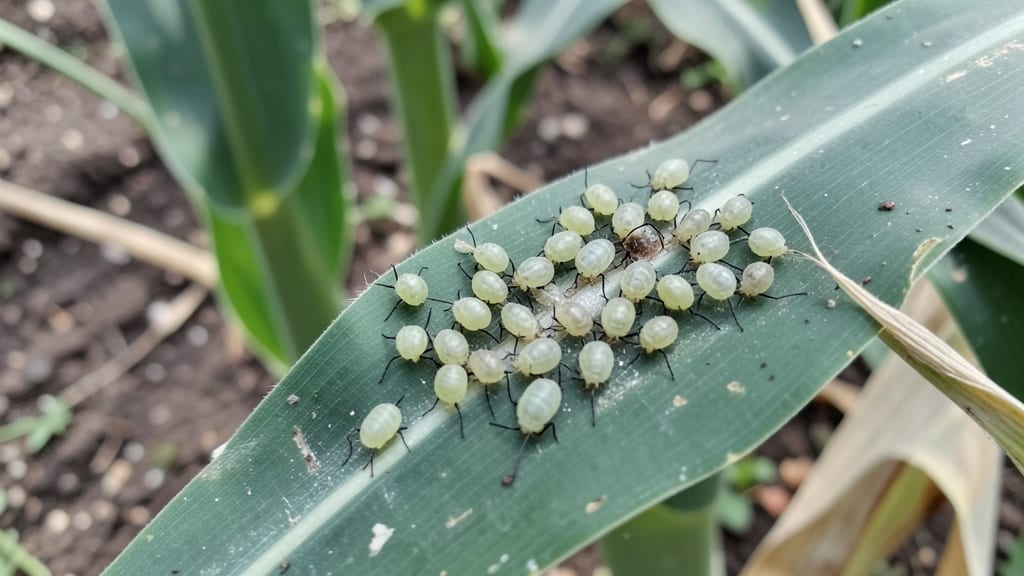
Bugs on corn plants turn what should be a golden harvest into a battle for survival—especially when you spot chewed silk or tiny black specks on the ears. 🌽 I’ve lost entire rows to earworms and rootworms before learning the telltale signs: silken webbing, honeydew trails, or ragged leaf edges.
The key isn’t just spotting them early but knowing which bugs demand action and which ones you can safely ignore.
Most gardeners panic at the first sign of damage, but not all pests are equal. Corn earworms hide inside silks, while aphids cluster on new leaves—both require different fixes. Rootworms, however, chew through stalks at the base, often before you notice.
The good news? Organic solutions like neem oil, handpicking, or row covers work fast if you catch the problem before it spreads.
By the time you finish this guide, you’ll recognize the three most destructive pests on sight and have a go-to plan for each. No more guessing whether to spray or wait—just swift, effective action that protects your harvest without harming pollinators.
The first step? Learning the difference between a harmless leafhopper and a full-blown earworm infestation.
This isn’t just about saving your corn—it’s about keeping your garden thriving for years. Once you master these organic fixes, you’ll spot early warnings before they become disasters. Let’s get those plants back on track.
The root causes behind Plant invaders
When tiny invaders start feasting on your corn plants, it’s rarely just random bad luck—there’s usually a clear why behind their presence. Understanding these triggers helps you prevent future outbreaks and act faster when they strike.
Below, we break down the most common reasons bugs target your corn, from environmental factors to plant health signals.
Corn plants under stress are like an all-you-can-eat buffet for pests. When your crop struggles—whether from drought, poor soil, or overcrowding—it emits distress signals that attract insects seeking an easy meal.
- Drought stress: Lack of water weakens cell walls, making plants more vulnerable to sap-sucking pests like corn leaf aphids or corn earworms. These bugs thrive on the sugary sap that oozes from dehydrated leaves.
- Nutrient deficiencies: Yellowing leaves (a sign of nitrogen deficiency) or stunted growth (phosphorus or potassium shortage) make plants less resilient. Corn rootworms, for example, prefer stressed roots that are easier to chew through.
- Overcrowding: When corn plants compete for sunlight and nutrients, their natural defenses weaken. This creates ideal conditions for fall armyworms, which move in to devour the undersides of crowded leaves.
Actionable fix: Ensure proper irrigation, test soil pH (aim for 6.0–7.0), and thin seedlings to 5–6 inches apart to reduce stress.
Some bugs don’t just like corn—they love the specific conditions that make your garden thrive. Warmth, humidity, and lush foliage create the perfect pest paradise.
- Warm, humid climates: Pests like corn earworms and European corn borers flourish in temperatures above 75°F (24°C). Their larvae burrow into silks and stalks, laying eggs in the cozy, moist environment.
- Rich, fertile soil: Healthy soil = healthy corn = more food for pests. Corn rootworms and wireworms are drawn to nitrogen-rich soils, where they feast on tender roots and seedlings.
- Weedy or unkempt fields: Weeds like giant ragweed or foxtails harbor pests that later migrate to corn. Fall armyworms, for instance, often hitchhike from weed patches to cornfields.
Actionable fix: Use row covers early in the season to deter flying pests, rotate crops annually, and remove weeds within a 10-foot radius of your corn patch.
Many corn pests aren’t just random visitors—they follow predictable life cycles tied to your crop’s growth stages. Timing is everything when it comes to their infestations.
- Seasonal emergence: Corn earworms (aka tomato fruitworms) lay eggs in late summer, timing their hatch with tasseling corn. European corn borers, meanwhile, overwinter in crop residues and emerge in spring to attack young plants.
- Host plant preference: Some bugs, like corn rootworms, are specialists and only target corn (or closely related grasses). Others, like Japanese beetles, are generalists but prefer corn’s sweet sap.
- Wind and water dispersal: Adult moths (e.g., fall armyworm) can travel hundreds of miles on wind currents, while floodwaters spread larvae from infested fields to yours.
Actionable fix: Plant trap crops (like sorghum) 50 feet away to lure pests, and monitor local pest reports from your agricultural extension office for early warnings.
Even "safe" treatments can backfire by disrupting natural predators or creating a chemical signal that attracts pests. Here’s how it happens:
- Overuse of broad-spectrum pesticides: Sprays like pyrethrin kill beneficial insects (e.g., ladybugs or parasitic wasps) that would otherwise keep pests in check. Without predators, bugs like aphids or thrips explode in numbers.
- Neonicotinoid residue: Systemic seed treatments (e.g., imidacloprid) can linger in plant tissues, making corn less palatable to some pests but more attractive to others, like corn earworms, which may develop resistance.
- Fertilizer burn: Excessive nitrogen or synthetic fertilizers can stress plants, making them release volatile organic compounds (VOCs) that signal distress to pests.
Actionable fix: Opt for targeted organic sprays (e.g., neem oil or kaolin clay) and prioritize beneficial insect habitats, like dill or fennel, near your corn.
Where you grow corn plays a huge role in which pests show up—and how bad they get. Some bugs are regional specialists, thriving only in specific zones.
- Southern U.S. heat: Corn earworms and southern corn rootworms dominate here, thanks to year-round growing seasons and high humidity.
- Northern U.S. moisture: Western bean cutworms and true armyworms thrive in cooler, wetter climates, often moving in after heavy rains.
- Drought-prone areas: Corn flea beetles become more aggressive in dry conditions, as they seek out stressed plants with weakened defenses.
Actionable fix: Research local pest calendars (check your state’s agricultural website) and choose corn varieties with built-in resistance (e.g., Bt corn for borers or smut-resistant hybrids).
Quick Fixes for Corn Pests
Corn plants can fall victim to a variety of pests, but the good news is that most issues can be resolved with targeted, organic solutions. Below, we’ll map common culprits to practical fixes—plus prevention tips to keep your corn thriving.
Cause: Tiny caterpillars burrow into ears, causing rot and reducing yield. Fix:
- 🔥 Handpick at dusk – Shake plants over a bucket of soapy water to drown larvae.
- 🍳 Use pheromone traps – Disrupt mating cycles with commercial traps (available at garden centers).
- 🌿 Plant trap crops – Interplant with marigolds or nasturtiums to lure pests away.
Prevention: ✨ Rotate crops annually to break pest life cycles. ✨ Cover ears with tassels (if possible) to block egg-laying sites.
Cause: Sap-sucking pests weaken leaves, causing yellowing and stunted growth. Fix:
- 👨🍳 Spray with neem oil – Mix 1 tbsp neem oil + 1 tsp mild soap + 1 quart water. Reapply every 5–7 days.
- 🥘 Introduce beneficial insects – Ladybugs and lacewings devour aphids naturally (order online or buy at garden stores).
- 🔪 Blast off mites – Use a strong hose spray to knock them off undersides of leaves.
Prevention: 💡 Encourage diversity – Plant dill, fennel, or yarrow nearby to attract predator insects. 🌡️ Keep soil moist – Drought stress attracts spider mites.
Cause: Nocturnal larvae chew through stems at soil level, toppling plants. Fix:
- 🔥 Collar stems with cardboard – Wrap 3-inch strips around young plants to block access.
- 🥘 Set beer traps – Bury a shallow dish filled with beer near plants; worms drown overnight.
- 🔪 Hand-remove at night – Use a flashlight to spot and squish them (wear gloves!).
Prevention: 🎯 Avoid overwatering – Damp soil attracts cutworm eggs. ✨ Plant late – Delay sowing until after the first frost to outpace hatching.
Cause: Grubs munch on roots, causing wilting and poor yields. Fix:
- 🌿 Plant trap crops – Buckwheat or sorghum lure rootworms away from corn.
- 🔪 Rototill in fall – Exposes pupae to predators and cold (do this after harvest).
- 💡 Use beneficial nematodes – Apply heterorhabditis bacteriophora to soil (available at garden centers).
Prevention: 🔥 Crop rotation – Avoid planting corn in the same spot for 3+ years. 🌡️ Test soil pH – Aim for 6.0–7.0; acidic soil repels some pests.
- 🌱 Healthy soil = strong plants – Add compost before planting to boost natural defenses.
- 🕒 Monitor regularly – Check undersides of leaves and ear tips weekly for early signs.
- 🚫 Avoid synthetic pesticides – They harm pollinators and disrupt ecosystems; opt for organic methods instead.
Pro Tip: 💡 Combine methods for best results—e.g., use neem oil + ladybugs for aphids, or trap crops + collars for earworms. Consistency is key!
Frequently asked questions
What are the most destructive bugs that attack corn plants?
Corn earworms hide inside silks and rot ears, while corn rootworms chew through stalks at the base. Fall armyworms target leaves, and aphids cluster on new growth, all causing significant damage if left unchecked. Start by identifying these four as your top priorities.
How do I tell if my corn plants have aphids or spider mites?
Aphids leave sticky honeydew trails and cluster on leaf undersides, while spider mites create fine webbing and cause yellow stippling. Check both sides of leaves—aphids are visible to the naked eye, but mites require a magnifying glass. Early detection is key to stopping outbreaks.
Can I use neem oil on corn plants with earworms?
Neem oil works best for soft-bodied pests like aphids, not earworms hiding inside silks. For earworms, try handpicking at dusk or using pheromone traps instead. Neem oil can still help prevent secondary infections from damaged ears.
What’s the best time of day to check for cutworms?
Early morning or late evening (dusk) are ideal since cutworms are nocturnal. Use a flashlight to spot them chewing at the base of young plants. This is when you can most easily hand-remove them before they cause serious damage.
Will row covers prevent all corn pests?
Row covers block flying insects like earworms and moths, but they won’t stop rootworms or cutworms that live in the soil. Use them early in the season for above-ground pests, then remove before pollination to allow bees access.