
How To
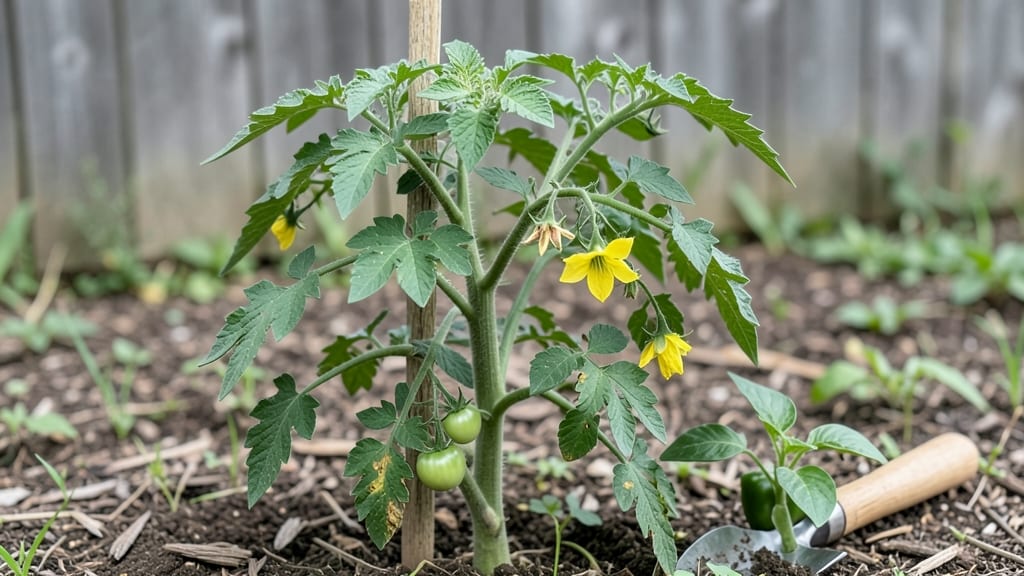
You can plant bell peppers next to tomatoes safely, as they thrive in the same conditions and naturally deter pests that target each other. Just keep spacing proper to avoid nutrient competition and airflow problems that could spread disease.
This pairing works because both plants love full sun and well-draining soil, and their growth habits complement each other beautifully. 🌱 Tomatoes act as natural pest deterrents for peppers—especially against aphids—while peppers help repel whiteflies that often plague tomato plants.
The key is proper spacing: give each plant at least 18–24 inches of room to prevent crowding, which can lead to fungal issues. I’ve found that planting tomatoes on the north side of peppers helps avoid shading while still letting both get their required sunlight.
For best results, focus on soil health too—amend with compost before planting to ensure both crops get enough nitrogen and potassium. Avoid overwatering, as soggy soil invites disease. When done right, this combo can boost your garden’s productivity while keeping pests at bay naturally.
💡 In This Article
- Companion Planting Benefits of Tomatoes and Bell Peppers
- Optimal Spacing and Planting Strategies for Maximum Yield
Companion planting benefits of tomatoes and bell peppers
The real magic happens underground and in the air between these two plants. Tomatoes release volatile organic compounds through their leaves that repel aphids, a common pest for bell peppers. Studies show these compounds—like α-terthienyl—disrupt aphid feeding patterns by altering their sensory perception of host plants.
Meanwhile, bell peppers emit a mild sulfur compound that deters whiteflies, which often target tomatoes. This two-way pest protection creates a natural defense system without chemicals. 🔥
Their root systems also work in harmony. Both plants thrive in soil with a pH of 6.0-6.8 and benefit from similar nutrient profiles—particularly nitrogen for leaf growth and potassium for fruit development. Tomatoes, being heavier feeders, actually stimulate microbial activity that makes these nutrients more available to peppers.
Research from the University of Florida shows that planting them together can increase soil microbial diversity by up to 25%, which improves nutrient cycling. The key is their different root depths: tomatoes develop deeper roots (12-18 inches), while peppers stay shallower (6-12 inches), minimizing competition.
What most gardeners don't realize is how their growth habits prevent disease spread. Tomatoes' upright vines create vertical airflow that reduces humidity at soil level—critical for preventing Phytophthora (a fungal root rot) that affects peppers.
Meanwhile, peppers' bushy foliage provides shade that keeps tomato fruits from scorching in intense afternoon sun. This mutual shading effect can increase tomato yield by 10-15% in hot climates by maintaining more stable fruit temperatures.
The combination of these physical and chemical interactions makes this pairing one of the most effective in vegetable gardening. ✨
Scientifically, this works through a phenomenon called allelopathy, where plants release biochemicals that influence neighboring species. Tomatoes release coumarin compounds that suppress certain soil-borne pathogens, while peppers emit capsaicin derivatives that deter root-knot nematodes—both beneficial to each other.
The shared beneficial microbes in their rhizosphere (the soil region influenced by roots) create a symbiotic ecosystem where each plant supports the other's immune system. This microbial cooperation extends to beneficial fungi like mycorrhizae, which enhance nutrient uptake for both species.
For visual gardeners, watch how this pairing changes over time. Early in the season, tomato seedlings' rapid vertical growth provides living trellises for peppers to climb, saving you from installing support structures.
Later, pepper plants' dense foliage acts as a living mulch, retaining moisture and suppressing weeds that compete with tomato roots. The color contrast—deep green tomatoes against peppers' glossy leaves—also makes pest detection easier. 💫
One advanced technique is to interplant them in a 3:1 ratio of peppers to tomatoes, with tomatoes on the north side. This layout maximizes sunlight exposure for both while creating a natural windbreak that reduces stress on pepper plants during high winds.
The physical spacing (maintaining 18-24 inches between plants) prevents the leaf wetness that fuels fungal diseases like early blight in tomatoes and anthracnose in peppers.