
Blooming
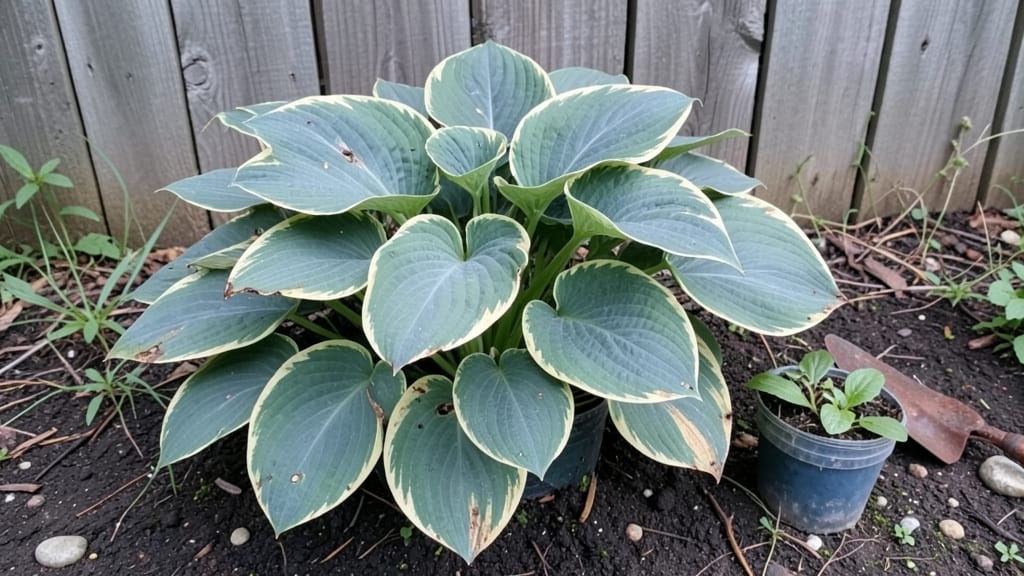
You can plant hostas in the fall, ideally 4-6 weeks before the first frost, to give roots time to settle before winter dormancy. Pick cooler days, water deeply after planting, and add mulch to shield from freezing.
Fall planting works because cooler temperatures reduce transplant shock while the soil stays warm enough for root growth. 🌱 In my experience, hostas thrive when planted after summer's peak heat but before the ground freezes—this timing gives them a head start on establishing their root systems.
The key is checking your local frost dates and soil temperatures, which typically stay workable until late October or early November in most climates.
Once you've chosen the right window, focus on soil prep and placement. Hostas prefer partial shade and well-draining soil, so amend heavy clay with compost if needed. Spacing plants 18-24 inches apart prevents overcrowding, while a 3-inch layer of mulch after planting helps retain moisture and insulate roots through winter.
I always mark my garden journal with planting dates to track growth patterns year after year.
💡 In This Article
- Optimal Fall Planting Conditions for Hostas
- Step-by-Step Fall Hostas Planting Guide
Optimal fall planting conditions for hostas
Fall planting gives hostas a critical advantage because the cooler air temperatures reduce transplant shock while the soil remains warm enough to support root development.
Here's what's actually happening: hostas enter a natural dormancy period in winter, but their roots continue growing as long as soil temperatures stay above 40°F.
This creates a perfect window where plants can establish without the stress of summer heat or the dormancy of winter. 🌱 The ideal scenario is when daytime highs are between 60-75°F and nights dip into the 40s°F—this temperature range mimics their native woodland conditions.
What most people don't realize is how soil temperature thresholds work differently than air temperature. Even when air freezes, the ground may stay workable down to 6-8 inches deep—this is why late fall planting can still succeed.
The key factor is checking your local USDA hardiness zone: in Zone 5, aim for planting by mid-October, while Zone 7 gardeners have until early November.
You can test soil readiness by feeling the ground—it should be cool but not frozen when you push your finger in about 4 inches deep. This tactile check gives you a better indicator than calendar dates alone.
Pest activity also drops dramatically in fall, which is why hostas planted now face fewer threats from slugs, snails, and other common garden pests. The reduced moisture levels in autumn soil create an environment where beneficial fungi can establish around hosta roots, forming mycorrhizal relationships that enhance nutrient uptake.
This natural partnership continues through winter and gives your plants a stronger start in spring. The science behind this involves reduced metabolic activity in pests during cooler months, combined with hostas' natural resistance to many common garden diseases.
Consider these regional variations when planning: Northern climates (Zones 3-4) should plant by early September to allow 6-8 weeks of root establishment before ground freezes, while Southern gardeners (Zones 8-9) can plant until early December when frost becomes a concern.
The critical measurement is soil temperature at planting depth—it should stay above 45°F for at least 4-6 weeks after planting. You can monitor this with a soil thermometer or by observing nearby plants: if your lawn grass is still growing, the soil is likely warm enough for hostas.
Here's a practical tip: if you're in a transitional climate where frosts come unpredictably, choose hosta varieties with thicker rhizomes like 'Blue Angel' or 'Francee'—these varieties handle winter better than delicate types like 'Halcyon'.
The rhizome thickness correlates directly with cold hardiness, as thicker storage organs contain more stored energy for spring regrowth. This is why mature hostas often survive winters better than young transplants, even when planted at the same time. 💫
The most successful fall plantings I've seen combine proper timing with these three factors: soil temperature verification, variety selection, and mulch application.
A 4-6 inch layer of straw mulch after planting creates an insulating blanket that maintains soil temperatures 5-10°F warmer than ambient air, which is crucial during those early winter thaws.
This insulation works because straw has excellent air pockets that trap heat while allowing moisture to penetrate—exactly what hosta roots need during their winter dormancy period.