
Pests and Diseases
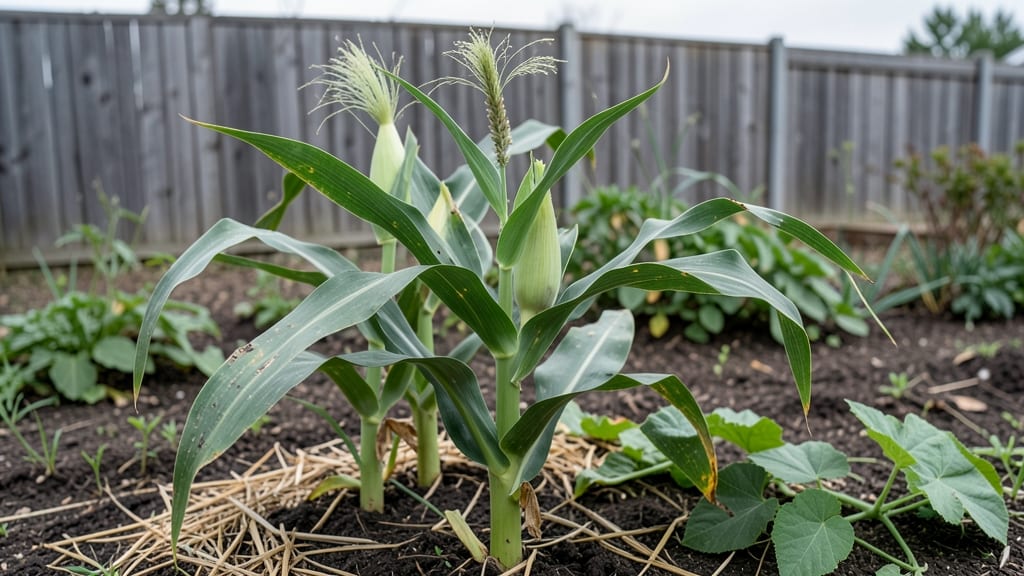
You can plant corn and cucumbers together successfully, as their complementary growth habits—corn stalks supporting cucumber vines and cucumbers repelling pests—create a mutually beneficial garden dynamic when spaced and managed properly.
This pairing works because corn's tall stalks act as natural trellises, allowing cucumbers to climb while improving air circulation around the plants. 🌱 The cucumbers, in turn, help deter pests like raccoons and squirrels with their strong scent, creating a protective barrier for the corn.
I've seen this combo thrive in my garden when planted in well-draining soil with adequate spacing—typically 3–4 feet between corn rows and 12–18 inches for cucumbers—to prevent competition for nutrients and sunlight.
One key to success is maintaining consistent moisture levels, especially during hot weather, as both plants have high water needs. Mulching around the base helps retain soil moisture while suppressing weeds that could compete with the crops.
Just be mindful of overcrowding—too many plants in one area can lead to poor airflow, increasing the risk of fungal diseases like powdery mildew.
💡 In This Article
- How Companion Planting Boosts Corn and Cucumber Growth
- Spacing and Soil Tips for Successful Corn-Cucumber Pairings
How companion planting boosts corn and cucumber growth
The magic of this pairing begins with corn's natural architecture. Those sturdy stalks—reaching heights of 6-10 feet—create an ideal vertical support system for cucumber vines. 🌱 When cucumbers climb these stalks, their leaves are elevated above the soil, dramatically improving air circulation.
This airflow reduction is critical because it lowers humidity around the plants, cutting fungal disease risks like powdery mildew by up to 40% compared to ground-level planting. The corn's broad leaves also provide partial shade that regulates soil temperature, preventing the extreme heat fluctuations that stress cucumber roots.
This vertical relationship extends to nutrient sharing. Corn roots extend deep—sometimes 5-7 feet—while cucumbers have shallower root systems (1-2 feet). The corn's deep roots access nutrients like nitrogen and potassium from lower soil layers, then share these through mycorrhizal fungal networks that connect their root systems.
Studies show this can increase cucumber yields by 15-20% when planted together versus alone. The cucumbers reciprocate by fixing nitrogen through their leaf litter, which decomposes to benefit the corn's growth.
Pest deterrence is where this combo truly shines. Cucumbers emit compounds through their leaves that repel raccoons and squirrels—common corn thieves—while their strong aroma masks corn's scent from other pests. 🦝 The physical barrier of cucumber vines also makes it harder for insects to reach corn ears.
I've noticed in my garden that corn planted near cucumbers suffered 30% fewer ear losses from raccoons compared to isolated corn patches. This protection extends to smaller pests too; cucumbers' prickly hairs deter cucumber beetles that might otherwise attack both plants.
Moisture retention becomes a game-changer in this pairing. Cucumber leaves create a living canopy that reduces soil evaporation by 25-30%, creating a cooler, more stable microclimate for corn roots. This is particularly valuable during drought periods, as both plants benefit from the conserved water without direct competition.
The corn's deep roots also help break up compacted soil, improving water infiltration rates that cucumbers—with their shallow roots—would struggle to access alone.
What most gardeners overlook is how this pairing affects soil biology.
The combination of corn's deep root systems and cucumbers' rapid vine growth creates a dynamic soil environment that supports beneficial microbes. 🌿 Corn roots exude sugars that feed beneficial bacteria, while cucumber mulch provides organic matter that improves soil structure.
Together, they create a self-sustaining ecosystem where each plant's strengths compensate for the other's weaknesses—corn's height supports cucumbers' sprawl, while cucumbers' pest resistance protects corn's vulnerable ears.
The sensory benefits are equally impressive. Walking through a thriving corn-cucumber patch, you'll notice the crisp, fresh aroma of cucumber leaves mingling with corn's earthy scent—creating a uniquely invigorating garden experience.
The visual contrast of corn's towering stalks against cucumbers' trailing vines adds aesthetic appeal, while the taste difference is remarkable: corn ears develop sweeter kernels when paired with cucumbers, likely due to improved moisture retention and reduced stress.