
Planting
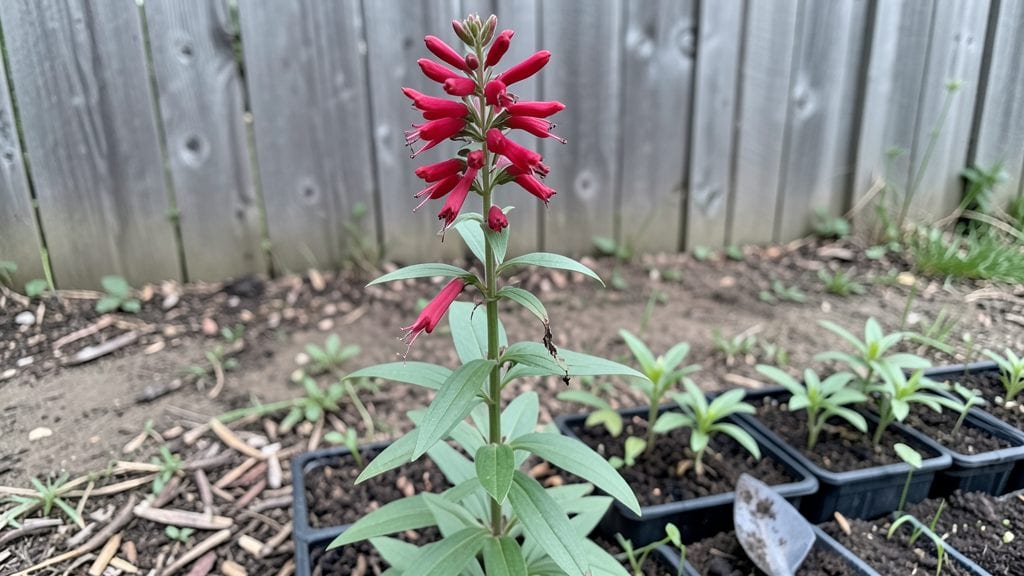
Planting cardinal flowers is like inviting a hummingbird buffet to your garden—those fiery red spikes are impossible to ignore once they take hold. 🌿 I’ve watched mine transform bare spots into vertical fireworks, and the secret starts with the right timing and soil.
The key isn’t just sticking a plant in the ground; it’s creating the conditions where Lobelia cardinalis thrives from the first sprout.
You’ll need moist, well-draining soil rich in organic matter—think compost mixed into the top 12 inches—and a spot with partial shade to full sun, depending on your climate. Cardinal flowers hate dry soil, so mulch heavily after planting to keep roots happy.
For containers, use a mix that drains well but holds moisture, and plant in groups of three for that dramatic red impact.
Once established, these plants reward you with 6-foot-tall spikes of blooms from midsummer through fall, and hummingbirds will be your constant visitors. The trickiest part is germination—keep seeds moist and warm until they sprout, then thin seedlings to 12 inches apart.
Patience pays off: by year two, you’ll have a self-sustaining hummingbird magnet.
Fair warning: cardinal flowers spread aggressively in ideal conditions, so contain them if you don’t want them taking over. For best results, plant near ferns or hostas—they’ll appreciate the shade these tall beauties provide. Now grab those seeds and get ready for a summer of red fireworks.
📚 In This Guide
- What you need
- Instructions
- Tips and common mistakes
- Wrapping up and next steps
What you need
- ● Cardinal flower seeds or young plants: 3–5 plants (or seeds) per 10 sq. ft. for a lush display.
- ● Well-draining potting mix: 1–2 bags (look for a blend with peat moss or coconut coir).
- ○ Garden soil (optional but recommended): Mix with potting soil for richer nutrients (1 part garden soil to 2 parts potting mix).
- ● Containers or garden bed: For containers: 12–18" pots with drainage holes (1 plant per container).
- ● For garden beds: A moist, partially shaded spot (4+ hours of sunlight daily).
- ● Watering can or hose with a gentle spray nozzle: Cardinal flowers love moisture!
- ○ Organic mulch (optional but helpful): 1–2 inches of shredded bark or leaves to retain moisture.
- ● Garden trowel or small shovel: For planting seeds or young plants.
- ○ Gloves (optional): To protect your hands from soil and thorns.
- ● Pruning shears: For trimming spent blooms or leggy stems later.
- ○ pH testing kit (optional): Ideal soil pH: 5.0–6.5 (slightly acidic).
- ● A patient heart—cardinal flowers grow best from seeds but take 10–12 weeks to bloom!
- ● Consistent moisture: These beauties hate drought—plan to water daily during dry spells.
- ● Partial shade: Morning sun + afternoon shade is perfect (they’ll scorch in full sun!).
Step-by-Step instructions for planting cardinal flower
Here’s how to coax those striking cardinal red blooms into your garden—hummingbirds will thank you.
🌱 Step 1: Choose the Right Spot and Prepare the Soil
Cardinal flowers thrive in partial shade to full sun, but they’ll reward you with the most vibrant blooms in morning sun and afternoon shade—especially in hotter climates. I always pick a location with moist, well-draining soil because these plants hate drying out. If your soil drains poorly, mix in 2-3 inches of compost to improve texture and fertility.
Dig a hole twice as wide as the root ball but only as deep as the container’s base. Loosen the sides of the hole with your hands or a trowel—this encourages roots to spread outward instead of circling. Here’s the thing: cardinal flowers grow best in consistently moist soil, so if your area tends to dry out, consider planting near a rain garden or drip irrigation line.
🌿 Step 2: Plant and Water Deeply
Gently remove the plant from its container and tease the roots apart if they’re tightly bound. Place it in the hole so the top of the root ball sits level with the surrounding soil—burying too deep can suffocate the plant, while planting too high risks stem rot. Fill the hole with soil, pressing lightly around the edges to eliminate air pockets.
Water deeply right after planting—aim for 1 gallon per plant—until water runs out the drainage holes. You’ll know you’ve done it right when the soil feels saturated to a depth of 6 inches. Mulch around the base with 2-3 inches of organic mulch (like shredded bark) to retain moisture and suppress weeds. This step is critical: cardinal flowers are sensitive to drought, and mulch keeps roots cool and hydrated during summer heat.
☀️ Step 3: Maintain Moisture and Fertility
Water 2-3 times per week once established, but check the soil first—top 2 inches should feel moist before watering again. Overwatering is just as bad as underwatering, so avoid soggy soil. I like to water in the early morning to reduce evaporation and fungal risks. Fertilize lightly once in early spring with a balanced, slow-release fertilizer (like 10-10-10) to encourage lush foliage before blooming season.
Deadhead spent blooms by snipping them back to the first set of healthy leaves. This encourages continuous flowering from mid-summer through fall. Watch for hummingbirds—they’ll visit the moment the first red spikes appear! If your plants start to flop, they need more support. Install a small stake or trellis now, as cardinal flowers grow 2-5 feet tall and can get top-heavy with blooms.
✂️ Step 4: Divide and Propagate Every 3-4 Years
Cardinal flowers spread via underground rhizomes, so they’ll eventually crowd out their neighbors. In early spring, dig up the clump and separate it into 3-4 inch sections, each with 3-5 shoots. Replant the divisions immediately in the same moist, shady conditions—they’ll establish quickly and bloom the same year. This is how I keep my garden full of cardinal flowers without buying new plants every season.
Here’s the trick: divide in cool weather to reduce stress on the roots. Water thoroughly after replanting, and keep the soil moist for the first 2 weeks to help the divisions take hold. You’ll see new growth within 3-4 weeks, and by summer, you’ll have fresh blooms to attract hummingbirds all over again.
Tips & tricks for perfect cardinal flower planting
Real talk: Cardinal flowers are one of the easiest perennials to grow, but these little tricks will help you get the most vibrant blooms and keep your plants thriving for years.
Soil Prep Secret: In Step 1, when you're mixing in compost, I like to add a handful of perlite or coarse sand to the hole. This ensures that moist, well-draining soil stays consistent even after you've filled it in. Cardinal flowers despise soggy roots, so this extra step prevents waterlogging while keeping moisture levels just right. Think of it as giving your plant's roots a spa day—drainage with a side of hydration.
Planting Depth Hack: Here's what nobody tells you—when you're placing your cardinal flower in the hole during Step 2, don't just eyeball it. Use a small stick or pencil to check that the top of the root ball is exactly level with the surrounding soil. I've buried plants too deep before, and they struggled to establish. The key is that crown (where roots meet stems) should be just visible above soil level.
Watering Wisdom: That gallon of water in Step 2 isn't just about initial hydration. After planting, I create a shallow basin around the base of the plant to help direct water straight to the roots. This method ensures the soil stays saturated to that 6-inch depth without wasting water. Pro tip: Use a rain gauge or tuna can to measure your watering—you'd be surprised how much difference precise amounts make in the long run.
Support Strategy: In Step 3, when you notice those tall stems starting to flop, don't wait until they're already leaning. Install your stake or trellis as soon as you see the first 12-inch growth. I use bamboo stakes because they're sturdy but won't damage the stems when tied. Tie the plants loosely with soft garden twine—tight ties can girdle the stems as they grow. This simple step prevents the dramatic flopping that makes cardinal flowers look like they're bowing in shame.
Pro Tips for Cardinal Flower Planting
- Real talk: Cardinal flowers are one of the easiest perennials to grow, but these little tricks will help you get the most vibrant blooms and keep your plants thriving for years.
- Soil Prep Secret: In Step 1, when you're mixing in compost, I like to add a handful of perlite or coarse sand to the hole.
- Planting Depth Hack: Here's what nobody tells you—when you're placing your cardinal flower in the hole during Step 2, don't just eyeball it.
Frequently asked questions
Got questions about growing cardinal flowers? You’re not alone! Here are answers to the most common inquiries from gardeners eager to welcome these stunning blooms and their feathered friends.
When’s the best time to plant cardinal flowers?
The ideal planting window is early spring (as soon as the soil warms) or early fall—both give plants time to establish roots before extreme heat or cold. In mild climates, you can even sow seeds directly in late winter under protective row covers. Pro tip: Transplant seedlings in the evening to reduce stress on their delicate roots!
Do cardinal flowers need a lot of water?
Once established, cardinal flowers are moderately drought-tolerant, but they love consistent moisture—especially during their first growing season. Aim for 1–2 inches of water per week, including rainfall. Mulch around the base (2–3 inches) to retain humidity and prevent soil crusting.
Will cardinal flowers attract hummingbirds?
These vibrant blooms are a hummingbird magnet due to their tubular shape and deep red color, which mimics their favorite nectar sources. Plant them near feeders or in clusters to create a hummingbird buffet. Bonus: Their long corollas also draw butterflies and bees!
Can cardinal flowers survive winter?
Most cardinal flowers are perennial in USDA Zones 3–9, but young plants may need extra protection in harsh winters. Apply a thick layer of mulch (4–6 inches) or cover with frost cloth. In Zone 2, treat them as annuals or grow them in containers for winter.
What if my cardinal flowers don’t bloom?
No blooms? Check these fixes:
- Light: Ensure they get 6+ hours of sun daily—partial shade may stunt flowering.
- Fertilizer: Use a balanced, low-nitrogen fertilizer (like 10-10-10) to encourage blooms, not foliage.
- Deadhead: Remove spent flowers to promote continuous blooming.
- Age: First-year plants focus on roots; blooms typically appear in Year 2.
Wrapping up and next steps
Planting cardinal flowers is a rewarding way to add a splash of vibrant color to your garden while creating a haven for hummingbirds! 🌸 These low-maintenance beauties thrive in the right conditions, offering stunning blooms and ecological benefits.
Whether you're a seasoned gardener or just starting, their ease of care makes them a perfect choice for any outdoor space.
Now that you’re armed with the knowledge, take the plunge—grab your gloves, pick a sunny spot, and watch your garden transform! Ready to plant? Head back to our step-by-step guide to get started today.