Diseases
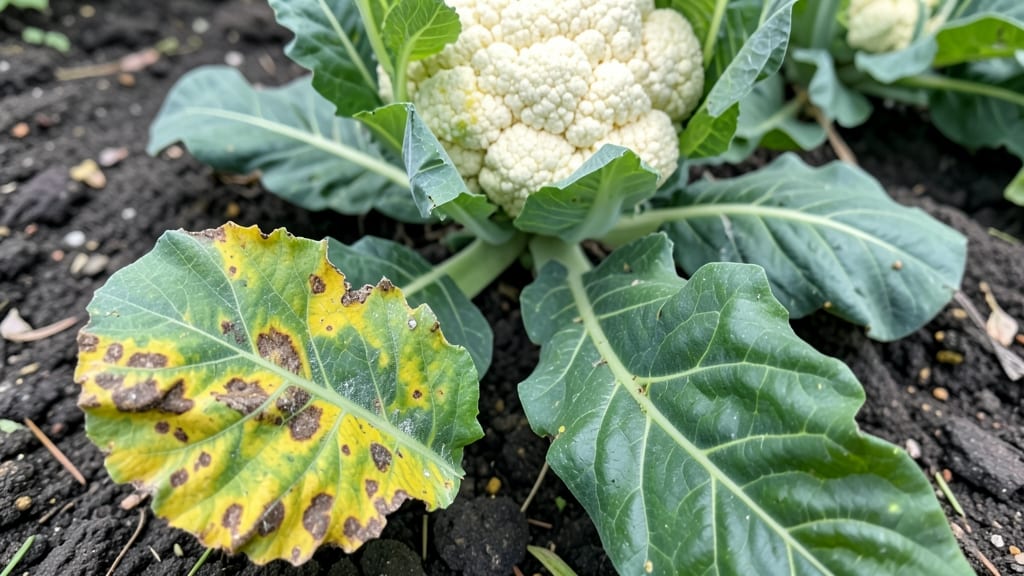
Cauliflower plant diseases can turn your lush heads into sad, yellowing messes before they even form. 🌱 I’ve watched my own crops go from promising to pitiful overnight—usually because I missed the early warning signs or waited too long to act.
The good news? Most common fungal and bacterial threats have clear symptoms and simple fixes if you catch them early.
Club root, black rot, and downy mildew are the usual suspects, each leaving their own telltale marks—clubbed roots, V-shaped leaf damage, or fuzzy gray mold. The real game-changer is prevention: proper spacing, well-draining soil, and rotating crops every few years.
I’ve learned that a little planning upfront saves hours of cleanup later.
Once you spot trouble, organic sprays like copper fungicide or neem oil can stop the spread, while removing infected plants immediately keeps the rest of your garden safe. The key is acting fast—before the disease gets a foothold in your soil or spreads to neighboring plants.
Even experienced gardeners lose crops to these diseases, but knowing the signs and solutions turns a potential disaster into a manageable challenge. Let’s get your cauliflower back on track with these proven strategies.
Root Causes of Cauliflower Ailments
Cauliflower plants, like any other crop, are vulnerable to diseases due to a mix of environmental, biological, and cultural factors. Understanding these causes is key to preventing outbreaks and keeping your plants thriving. Let’s break down the why behind the most common cauliflower diseases—so you can tackle them head-on.
Cauliflower thrives in cool, moist conditions, but when these factors go haywire, diseases take hold. Here’s how the environment sets the stage for trouble:
- Excess Moisture: Cauliflower hates soggy feet. Overwatering or poor drainage creates the perfect breeding ground for fungal pathogens like Botrytis cinerea (gray mold) and Alternaria brassicae. These fungi thrive in damp conditions, clinging to leaves and stems, leading to rot and blight. Pro tip: Ensure 1–2 inches of soil dry out between waterings, and avoid overhead irrigation to keep foliage dry.
- High Humidity: Stagnant air traps moisture, accelerating bacterial and fungal growth. Diseases like Xanthomonas campestris (black rot) spread faster in humid climates, entering through wounds or natural openings in the plant. Pro tip: Improve airflow with spacing (18–24 inches between plants) and prune lower leaves to reduce humidity near the crown.
- Temperature Swings: Cauliflower prefers consistent cool temps (60–75°F). Sudden heatwaves or cold snaps weaken plants, making them susceptible to infections. For example, Fusarium wilt (a soil-borne fungus) exploits stressed plants, blocking water flow and causing wilting. Pro tip: Use shade cloth in summer and row covers in spring/fall to moderate temperature extremes.
Not all diseases are invited guests—some are lurking in your soil, air, or even your garden tools. Here’s how pathogens invade cauliflower:
- Soil-Borne Fungi: Fungi like Plasmodiophora brassicae (clubroot) survive in soil for years, lying dormant until conditions are right. They infect roots, causing galls that disrupt nutrient uptake. Pro tip: Test soil pH (ideal: 6.0–7.0) and rotate crops with non-brassicas (e.g., beans, grasses) every 3–4 years to break the fungal cycle.
- Seed or Transplant Contamination: Infected seeds or seedlings introduce diseases directly into your garden. For instance, Leptosphaeria maculans (blackleg) can hitch a ride on seed coatings, causing dark lesions on stems and leaves. Pro tip: Buy certified disease-free seeds and disinfect trays/tools with a 10% bleach solution (1 part bleach to 9 parts water) before reuse.
- Insect Vectors: Pests like aphids don’t just nibble—they spread bacterial diseases like Pseudomonas syringae (bacterial leaf spot) from plant to plant. Pro tip: Monitor for pests and use neem oil or insecticidal soap as a preventive barrier.
Even the best-intentioned gardener can accidentally invite diseases. These common practices create vulnerabilities:
| Mistake | How It Helps Diseases | Fix It |
|---|---|---|
| Overcrowding plants | Reduces airflow, trapping moisture and spores. | Space plants 18–24" apart and thin seedlings early. |
| Ignoring debris | Old leaves and stems harbor pathogens over winter. | Remove and compost (or solarize) plant debris after harvest. |
| Using contaminated tools | Knives or pruners can spread bacteria/fungi between cuts. | Sanitize tools with rubbing alcohol or bleach between uses. |
| Skipping fertilization | Nutrient-deficient plants are weaker and more prone to infection. | Use balanced fertilizer (e.g., 10-10-10) and foliar feed with micronutrients. |
💡 Remember: Most cauliflower diseases are preventable with proactive care. The key is breaking the chain—whether that’s drying leaves faster, rotating crops, or choosing resistant varieties (like ‘Snowball Y Improved’ for clubroot resistance). Stay vigilant, and your cauliflower will reward you with healthy, disease-free curds!
Fixing Cauliflower Diseases Step-by-Step
When your cauliflower plants show signs of distress, acting fast can save your harvest. Below are practical, actionable solutions tailored to the most common fungal and bacterial diseases, along with prevention tips to keep your plants healthy. Think of this as your emergency repair guide—no green thumb required!
Cause: Xanthomonas campestris bacteria clogging vascular tissues. Fix:
- 🔥 Remove infected plants immediately – Don’t compost them! Burn or bag them to prevent spread.
- 🍳 Spray copper-based bactericides (like copper sulfate or Bordeaux mixture) every 7–10 days until symptoms disappear. Follow label instructions for dilution.
- 👨🍳 Prune healthy leaves near infected areas to improve airflow and reduce humidity.
- ⏰ Rotate crops – Avoid planting brassicas (cauliflower, cabbage, broccoli) in the same spot for 3–4 years.
💡 Prevention Tip:
- 🌡️ Sterilize tools with rubbing alcohol between plants.
- 🎯 Use resistant varieties like ‘Purple of Sicily’ or ‘Snowball Y Improved.’
Cause: Plasmodiophora brassicae fungus distorting roots. Fix:
- 🔥 Adjust soil pH to 7.0–7.5 – Test your soil and amend with pelletized lime (follow package rates). High pH starves the fungus.
- 🍳 Apply sulfur or elemental sulfur (if soil is too alkaline) to balance pH gradually.
- 👨🍳 Plant in raised beds or containers with sterile potting mix if clubroot is rampant in your garden.
- ⏰ Solarize soil in late summer: Cover with clear plastic for 4–6 weeks to kill spores.
💡 Prevention Tip:
- ✨ Avoid over-fertilizing with manure—use composted, well-aged options instead.
- 🎯 Crop rotation is key—wait 5+ years before replanting brassicas in the same spot.
Cause: Peronospora fungus thriving in damp conditions. Fix:
- 🔥 Space plants 18–24 inches apart to improve airflow and reduce humidity.
- 🍳 Apply fungicides like neem oil, copper fungicide, or chlorothalonil at the first sign of yellowing on undersides of leaves. Reapply every 7–10 days in wet weather.
- 👨🍳 Remove and destroy infected leaves—don’t let them touch the soil.
- ⏰ Water in the morning so foliage dries quickly.
💡 Prevention Tip:
- 🌡️ Mulch with straw, not plastic, to keep soil cool and reduce splashing.
- 🎯 Choose resistant varieties like ‘Graffiti’ or ‘Cheddar.’
Cause: Erysiphe or Leveillula fungi coating leaves with white powder. Fix:
- 🔥 Prune crowded growth to let sunlight hit all leaves—fungi hate dry conditions.
- 🍳 Spray a homemade remedy: Mix 1 tsp baking soda + 1 tbsp horticultural oil + 1 tsp soap per quart of water. Spray every 7–10 days.
- 👨🍳 For severe cases, use sulfur-based fungicides (follow label rates).
- ⏰ Avoid overhead watering—use drip irrigation or water at the base.
💡 Prevention Tip:
- ✨ Plant mildew-resistant varieties like ‘Snowball’ or ‘Purple of Sicily.’
- 🎯 Interplant with marigolds—they repel pests that spread mildew.
Cause:** Erwinia bacteria or fungi causing mushy stems/leaves. Fix:
- 🔥 Improve drainage immediately—amend soil with compost or perlite to prevent waterlogging.
- 🍳 Apply a copper fungicide (for fungal soft rot) or hydrogen peroxide spray (3%) to kill bacteria.
- 👨🍳 Remove and destroy infected plants—don’t compost them!
- ⏰ Solarize soil (as above) if soft rot recurs.
💡 Prevention Tip:
- 🌡️ Avoid overwatering—stick your finger in the soil; water only if the top 1 inch is dry.
- 🎯 Use row covers in rainy seasons to protect young plants.
| Action | How to Do It | Why It Works |
|---|---|---|
| Rotate crops | Avoid planting brassicas in the same spot for 3+ years. | Breaks disease cycles in the soil. |
| Sterilize tools | Wipe pruners with rubbing alcohol between plants. | Prevents cross-contamination. |
| Test soil pH | Use a DIY kit or send to a lab. Aim for 6.0–7.0. | Many fungi/bacteria thrive in acidic or alkaline extremes. |
| Use resistant seeds | Pick disease-resistant varieties from seed catalogs. | Starts your plants with a fighting chance. |
| Monitor weather | Check humidity and rain forecasts—damp conditions = higher risk. | Acts as an early warning system. |
Final Pro Tip: 💡 Healthy plants fight disease better! Boost cauliflower resilience with:
- Balanced fertilizer (high in nitrogen early, phosphorus later).
- Compost tea as a foliar spray for natural immunity.
- Beneficial nematodes** (Phytonematophagus) to combat root diseases.
Now grab your gloves and get to work—your cauliflower crop (and future harvests) will thank you! 🌿🚀
Frequently asked questions
What are the most common signs of cauliflower diseases?
Look for yellowing leaves, stunted growth, or unusual spots. Club root causes swollen, gnarled roots, while black rot shows as V-shaped leaf damage. Downy mildew appears as fuzzy gray patches on undersides of leaves. Powdery mildew coats leaves with white powder.
Can I still harvest cauliflower if it shows disease symptoms?
Only harvest from plants with mild, isolated symptoms like early powdery mildew. Remove and destroy severely infected plants immediately to prevent spread. Never harvest from plants with bacterial infections like black rot, as the bacteria can contaminate your crop.
How do I prevent cauliflower diseases before they start?
Start with disease-resistant varieties, maintain proper spacing (18-24 inches apart), and ensure good airflow. Rotate crops every 3-4 years, test soil pH, and avoid overhead watering. Solarizing soil in late summer kills many pathogens.
What's the best organic treatment for cauliflower diseases?
For fungal issues, use neem oil or copper fungicide. For bacterial problems, try a baking soda spray (1 tsp baking soda + 1 tbsp horticultural oil + 1 tsp soap per quart of water). Always apply in the morning for best results. Apply every 7-10 days during wet conditions.
How long do cauliflower diseases stay in the soil?
Most fungal pathogens like club root can survive in soil for 5-10 years or longer. Bacterial diseases typically persist for 2-3 years. Solarization (covering soil with clear plastic for 4-6 weeks) or crop rotation with non-brassicas breaks the disease cycle.