
How To
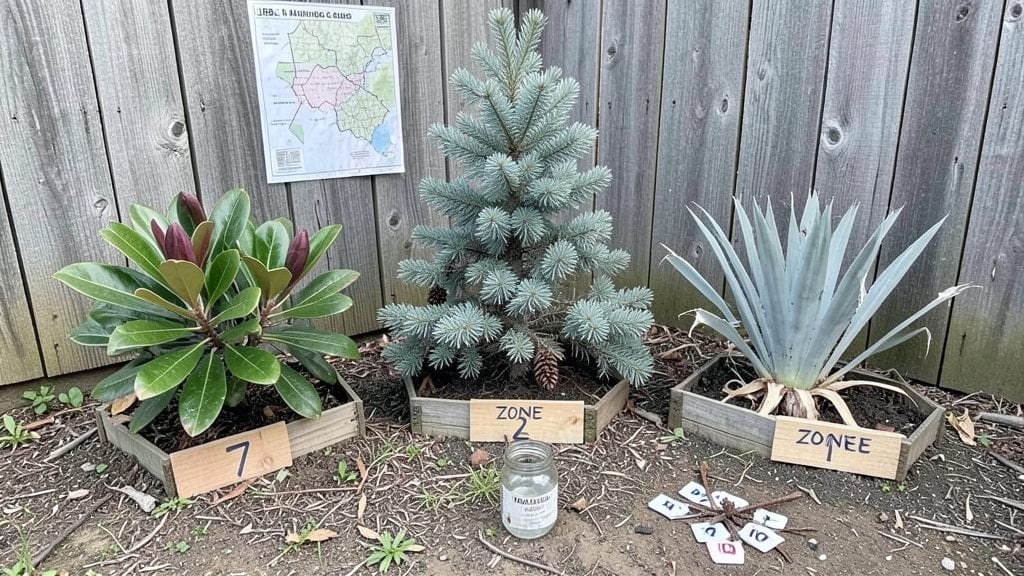
Planting in the right climate zone means the difference between a thriving garden and one that struggles—or worse, never even sprouts. 🌱 I learned that the hard way when my tender tomato seedlings froze overnight in Zone 5, despite my best intentions.
The USDA hardiness zone maps aren’t just academic—they’re your gardening GPS, telling you exactly which plants will survive your winters and which will bolt in your summers.
Here’s the game-changer: matching your zone to plant hardiness isn’t just about survival—it’s about peak performance. A Zone 7 gardener can grow peppers year-round, while a Zone 3 gardener might only get one good season from them.
The trick is knowing your zone (check the USDA map for your address) and adjusting planting dates by 2-4 weeks earlier or later depending on microclimates—like a south-facing wall that stays warmer in spring.
You’ll end up with gardens that produce consistently, not just occasionally. Imagine tomatoes that ripen reliably every summer, perennials that come back stronger each year, and flowers that bloom when they’re supposed to—not weeks late or not at all.
The payoff is in the details: fewer wasted seeds, fewer failed experiments, and more time enjoying what you’ve grown instead of fixing mistakes.
This works whether you’re in a humid subtropical Zone 8 or a cold desert Zone 4—just swap out heat-lovers for cold-tolerant varieties. Let’s get your garden growing on the right schedule, the right way.
📚 In This Guide
- What you need
- Instructions
- Tips and common mistakes
- Wrapping up and next steps
What you need
- ● Planting maps: USDA Plant Hardiness Zone Map (printed or digital)
- ● Local climate zone resources (check your state’s agricultural extension office)
- ● Soil testing kit: 1 (to check pH, nutrients, and drainage)
- ● Measuring tape: 1 (16 ft. for layout)
- ● Garden markers: 10–20 (biodegradable stakes or labels)
- ● Notebook & pen: 1 (for tracking plant progress and notes)
- ● Shovel & trowel: 1 each (for digging and precision planting)
- ● Wheelbarrow or bucket: 1 (for soil amendments or compost)
- ● Gloves: 1 pair (gardening-specific for comfort)
- ● Digital soil moisture meter (for real-time hydration tracking)
- ● Planting calendar app (sync with your local climate zone)
- ● Mulch (2–3 bags, depending on garden size)
- ● Drip irrigation system or hose with adjustable nozzle
- ● Sunlight meter (to verify light exposure accuracy)
- ● Seedling heat mat (for early-season starts in cooler zones)
How to use climate Zones for year-round planting success
Here's how I match plants to their perfect zones—no more guessing, just thriving gardens.
🌱 Step 1: Determine Your USDA Hardiness Zone
Find your zone by entering your ZIP code on the USDA Plant Hardiness Zone Map website. Most areas fall between Zone 3 (coldest) and Zone 11 (warmest). I always double-check with my local cooperative extension office—they sometimes adjust for microclimates like urban heat islands or mountain valleys.
Write your zone number on a sticky note and place it near your garden tools. This ensures you reference it every time you're selecting new plants. For example, if you're in Zone 6, you'll know peonies (hardy to Zone 3) will thrive, but citrus (hardy to Zone 9) won't survive winter.
☀️ Step 2: Match Plants to Their Zone Requirements
Check the plant tag or database for its hardiness zone range—this tells you where it can survive winter. For instance, lavender thrives in Zones 5-9, while boxwoods handle Zones 4-9. I keep a notebook where I jot down each plant's zone range alongside my zone number to avoid mismatches.
Don't overlook microclimates—your yard might have a Zone 7 spot while the rest is Zone 6. South-facing walls, paved areas, or low spots can shift conditions by a full zone. Test these areas by planting a few cold-sensitive annuals (like basil) and observing how they fare over a season.
📝 Step 3: Plan for Seasonal Shifts and Transitions
Use your zone to time plantings. In Zones 3-5, wait until after the last frost (usually mid-May) to plant warm-season crops like tomatoes. In Zones 8-10, you might plant cool-season crops like broccoli in fall for a winter harvest. I mark frost dates on my calendar and set reminders to adjust planting schedules accordingly.
Extend your growing season by choosing plants that fit your zone's extremes. In colder zones (3-5), opt for cold-hardy kale or winter wheatgrass. In warmer zones (9-11), select drought-tolerant succulents or heat-loving okra. This ensures your garden stays productive year-round without constant replanting.
⏰ Step 4: Adjust for Local Conditions Beyond Zones
Zones are a starting point, but factors like elevation, wind exposure, and soil type matter too. High-altitude gardens in Zone 6 might feel more like Zone 5—I've seen this firsthand in mountain towns. If your area gets strong winds, choose wind-resistant plants like Russian sage or switchgrass.
Test your soil's drainage and moisture retention by digging a hole, filling it with water, and timing how long it takes to drain. Amend heavy clay soil with compost to improve aeration, especially in zones prone to waterlogging (Zones 4-7). A simple percolation test helps me adjust planting depths and mulch types for each plant.
🌿 Step 5: Create a Year-Round Planting Calendar
Map out what to plant each month based on your zone. In Zones 1-4, focus on early spring bulbs (like tulips) and late-summer perennials (like coneflowers). In Zones 7-10, you can grow winter greens like spinach or even citrus trees outdoors. I use a free online garden planner to visualize seasonal layers and avoid overcrowding.
Rotate crops annually to prevent soil depletion and pest buildup. For example, in Zone 5, I plant potatoes in spring, followed by beans in summer, then cover crops like clover in fall. This keeps my soil healthy and my garden productive without relying on synthetic fertilizers.
Tips & tricks for perfect climate Zones planting
These precision strategies will help you avoid common planting mistakes and maximize your garden's potential year-round.
Zone Verification: Don't rely solely on the USDA map—verify your zone with your local cooperative extension office. They often adjust for microclimates like urban heat islands (which can push zones up by 1-2) or mountain valleys (which may drop zones by 1). I've seen gardens in Zone 6 that behave more like Zone 5 due to high elevation. Keep this verification note near your planting records for quick reference.
Plant Tag Detective Work: Always check the hardiness zone range on plant tags or database entries—it's not just about the lowest zone number. A plant labeled "Zones 4-9" might struggle in Zone 4 winters but thrive in Zone 7. I keep a small notebook where I record each plant's zone range alongside my zone number to avoid costly mistakes. This simple system has saved me from buying plants that wouldn't survive my winters.
Microclimate Mapping: Create a simple sketch of your yard marking different microclimates. South-facing walls can be Zone 7 when your yard is Zone 6, while north-facing areas might feel like Zone 5. Test these spots by planting cold-sensitive annuals like basil—if they survive winter, you've found a warmer microclimate. This visual map helps me plan where to place heat-loving plants like okra or where to tuck cold-hardy kale for winter harvests.
Seasonal Transition Calendar: Mark your last frost date (usually mid-May in Zones 3-5) and first frost date on your calendar with reminders. I use colorful sticky notes for each month's planting windows—green for spring, yellow for summer, orange for fall. This visual system helps me time plantings perfectly without overcomplicating the process. For Zones 8-10, I focus on fall planting reminders for cool-season crops like broccoli that thrive in winter.
Pro Tips for Climate Zones Planting
- These precision strategies will help you avoid common planting mistakes and maximize your garden's potential year-round.
- Zone Verification: Don't rely solely on the USDA map—verify your zone with your local cooperative extension office.
- Plant Tag Detective Work: Always check the hardiness zone range on plant tags or database entries—it's not just about the lowest zone number.
Frequently asked questions
Got questions about planting in the right climate zones?
You’re not alone! Here are answers to the most common concerns—so you can garden with confidence, no matter where you live.
How do I find my exact USDA climate zone?
Use the USDA Plant Hardiness Zone Map—just enter your ZIP code or address! For extra precision, check local microclimates (like urban heat islands or shaded spots) that may shift your zone by one or two levels.
Can I plant outside my zone if I use containers or season extenders?
Containers let you move frost-sensitive plants (like tomatoes ) indoors or to a greenhouse during cold snaps. Season extenders like row covers or cold frames can push your zone 1-2 levels higher—just monitor temps closely!
What if my plant dies after following the zone guidelines?
Check for local pests, soil pH, or drainage issues—these often override zone rules. For example, a zone-7 tomato might fail in soggy soil but thrive in raised beds. Adjust care, not just timing!
Do climate zones apply to indoor plants or only outdoor gardens?
Outdoor zones matter for perennials and hardy annuals, but indoor plants depend on light, humidity, and heat. Tropical plants (like ferns ) may thrive in any zone if you mimic their native climate with grow lights and humidity trays.
When’s the best time to plant based on my zone?
Follow the 10-day average soil temp rule:
- Cool zones (3-5): Plant warm-season crops (peppers ) after last frost when soil hits 60°F+.
- Warm zones (7-10): Start seeds early (Feb-March) to avoid summer heat stress.
- Transition zones (6-7): Use seasonal succession—plant cool crops in spring/fall, warm crops in summer.
Wrapping up and next steps
Understanding climate zones planting is your secret weapon for a thriving garden year-round! By matching plants to your local climate, you’ll save time, water, and effort while enjoying lush, resilient greenery. Start small—pick one zone-friendly plant this season and watch your confidence (and blooms!) grow.
🌱 Next step: Grab a free USDA Plant Hardiness Zone Map, sketch your garden layout, and let nature do the rest! Happy planting! 🌿