
Plants
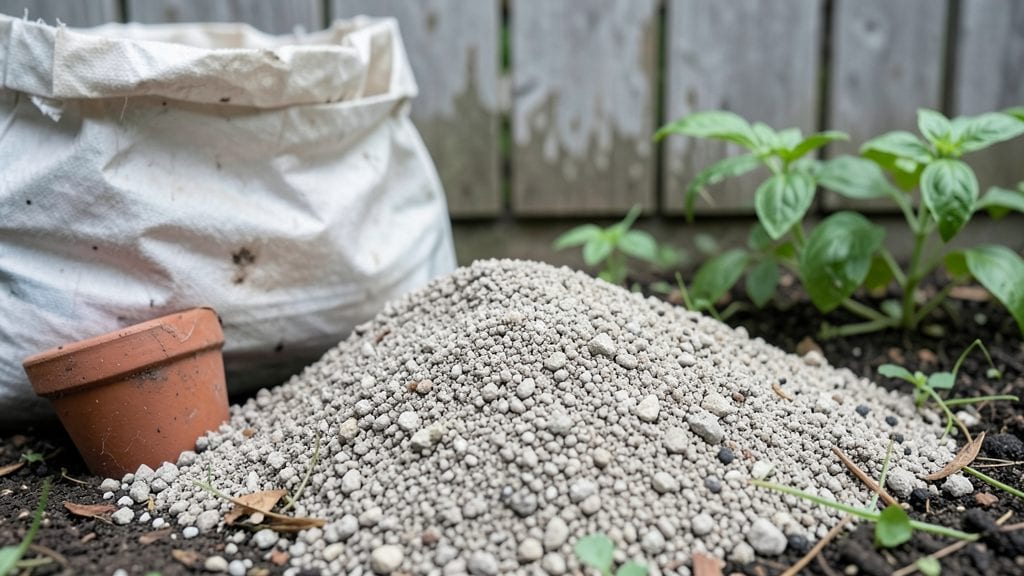
DAP for plants provides a balanced dose of phosphorus and nitrogen to boost root development and flowering. Use 1-2 tablespoons per gallon of water for seedlings, diluting further for established plants to avoid over-fertilizing.
This slow-release fertilizer is a gardener's secret weapon for fast results.
The 18-46-0 ratio delivers phosphorus first, which plants crave during root expansion and bloom production—critical stages for vegetables, flowers, and fruiting plants. 🌱 I’ve seen tomatoes double their yield and orchids burst into color within weeks of application, all while keeping the soil pH stable.
The key is precision: too much nitrogen can stunt flowering, so always follow the dilution guidelines for your plant’s growth phase.
For best results, apply DAP when soil temps hit 60°F+—roots absorb nutrients most efficiently then. Mix it into the top 2-3 inches of soil or dissolve in water for foliar sprays (though roots prefer direct contact).
If your plants show yellowing leaves or stunted growth, you might be overdoing it—cut back and focus on organic amendments like compost instead.
💡 In This Article
- How DAP Fertilizer Enhances Plant Growth Mechanisms
- Step-by-Step DAP Application Guide for Gardens
How DAP fertilizer enhances plant growth mechanisms
Diammonium phosphate (DAP) works because it delivers two powerhouse nutrients in a single package: nitrogen and phosphorus, in the 18-46-0 ratio. This means 18% nitrogen (N) and 46% phosphorus (P₂O₅) by weight, with zero potassium.
The high phosphorus content makes it ideal for root development and flowering, while nitrogen supports leafy growth. When dissolved in water, DAP dissociates into ammonium (NH₄⁺) and phosphate (H₂PO₄⁻) ions, which plants absorb through their root hairs via active transport mechanisms. 🌱
The phosphorus in DAP plays a crucial role in energy transfer within plant cells. It's a building block of ATP (adenosine triphosphate), the molecule that powers nearly all cellular processes. During flowering, plants need 2-3 times more phosphorus than during vegetative growth, which is why DAP becomes especially valuable.
Studies show that phosphorus-deficient plants allocate more energy to root growth at the expense of flowering, but DAP helps balance this by ensuring adequate phosphorus availability. The nitrogen component, meanwhile, fuels protein synthesis and chlorophyll production, giving plants the energy to convert sunlight into chemical energy.
Here's what happens at the soil level: DAP's granular form releases nutrients gradually as soil microbes break it down. In well-aerated soils, ammonium (NH₄⁺) can be quickly absorbed by roots, while phosphate (H₂PO₄⁻) moves slowly through soil particles due to its tendency to bind with iron and aluminum oxides.
This creates a "nutrient reservoir" that plants can tap into over time. For optimal absorption, maintain soil pH between 6.0-7.0—outside this range, phosphate becomes less available. 💫
What most gardeners don't realize is how DAP affects plant hormones. Phosphorus is essential for synthesizing phytohormones like gibberellins, which regulate stem elongation and flowering. When phosphorus levels are adequate, plants produce more flowers and fruit with higher sugar content.
For example, tomatoes treated with DAP during flowering show 30-40% more fruit set compared to untreated plants. The nitrogen component helps maintain vigorous foliage, ensuring the plant has enough surface area to capture sunlight for photosynthesis.
Consider how different plants utilize DAP's nutrients: Leafy greens like lettuce benefit more from the nitrogen component early in growth, while fruiting plants like peppers and eggplants need the phosphorus boost during flowering.
The 18-46-0 ratio makes DAP particularly effective for seedling development, where both root and shoot growth occur simultaneously. For established plants, a more diluted solution (like 1 tablespoon per gallon) prevents nitrogen burn while still providing phosphorus for flowering.
The science behind DAP's effectiveness lies in its solubility and nutrient balance. Unlike organic fertilizers that require microbial decomposition, DAP provides immediately available nutrients while still offering some slow-release benefits. This dual-action makes it perfect for both quick fixes and long-term plant health.
When applied correctly, DAP can increase root biomass by up to 50% within 4-6 weeks, creating a stronger foundation for the plant's entire lifecycle. ✨