
Companion Plants
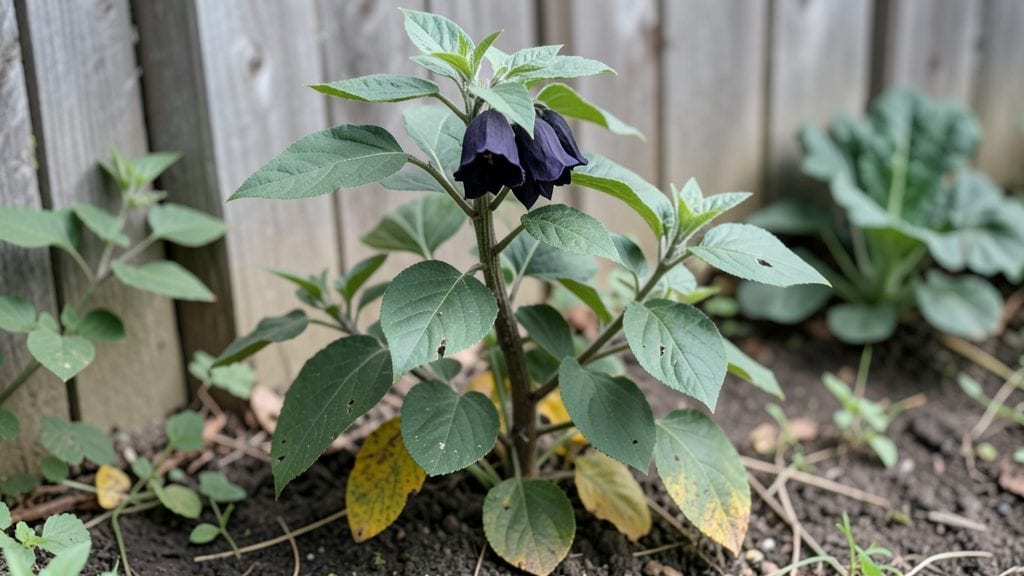
Deadly nightshade isn’t just a fairy tale villain—it’s a real, highly toxic plant lurking in some gardens and wild areas. 🌿 I’ve seen gardeners mistake its glossy black berries for edible lookalikes, and the consequences can be deadly.
The plant’s scientific name, Atropa belladonna, hides its danger behind delicate white flowers and shiny leaves that fool even experienced gardeners.
This plant contains deadly alkaloids like atropine and scopolamine, which can cause hallucinations, paralysis, or even death if ingested. Even touching the leaves can irritate skin, and pets are especially vulnerable.
The key to staying safe is learning to recognize it—glossy, oval leaves, bell-shaped flowers, and clusters of black berries are dead giveaways. If you suspect exposure, call poison control immediately; symptoms like dilated pupils or rapid heartbeat require urgent medical attention.
Instead of risking it, focus on safe alternatives like non-toxic nightshades you can grow—peppers, tomatoes, and eggplants are all edible cousins. The difference? Their leaves aren’t shiny black, their berries aren’t glossy, and they won’t make you sick.
Keep an eye out for this plant in wooded areas or old gardens, and share these warning signs with fellow gardeners to prevent accidents.
If you’re unsure whether a plant in your garden is deadly nightshade, snap a photo and compare it to trusted guides. When in doubt, remove it carefully—wear gloves, and dispose of it in sealed trash to keep curious kids and pets away.
Awareness is the best defense, and knowing what to look for could save a life.
📚 In This Guide
- What you need
- Instructions
- Tips and common mistakes
- Wrapping up and next steps
What you need
- ● Safety gear: Nitrile or latex gloves (2 pairs) – thick, puncture-resistant
- ● Safety goggles (1 pair) – ANSI-rated for eye protection
- ● Long-sleeved shirt and pants – lightweight, breathable fabric
- ● Identification tools: Field guidebook on toxic plants (1 copy) – e.g., Peterson Field Guide to Edible Wild Plants
- ● Magnifying glass (1x or 3x) – for close-up inspection of leaves/flowers
- ● Small pruning shears (1 pair) – sterilized, sharp blades
- ● Garden tools (if planting alternatives): Trowel (1) – stainless steel, 6-inch handle
- ● Garden gloves (1 pair) – for soil handling
- ● pH testing kit (1) – to check soil acidity (ideal: 6.0–7.0 for nightshades)
- ● Documentation: Notebook or digital app (e.g., iNaturalist) – for logging observations
- ○ Camera (optional but helpful) – for photographing plants in situ
- ● Handheld UV light (1) – reveals fluorescent patterns in toxic vs. safe plants
- ● First-aid kit (1) – include activated charcoal (for poisoning emergencies)
- ● Soil amendments (e.g., compost, perlite) – if replanting safe alternatives
- ● Plant labels (20+) – for organizing garden sections
How to identify and safely manage deadly nightshade lookalikes in your garden
Here's how to spot dangerous plants and replace them with stunning, non-toxic alternatives that thrive just as well.
🌿 Step 1: Learn the Key Visual Red Flags of Deadly Nightshade
Deadly nightshade (Atropa belladonna) has glossy, dark green leaves and clusters of bell-shaped purple-black berries that ripen in late summer. The stems are smooth and slightly hairy, while the leaves grow in pairs along the stem. Never touch the berries—even small amounts can cause severe poisoning with symptoms like dilated pupils, hallucinations, and cardiac arrest.
I always examine plants from 3 feet away first, using gloves and long sleeves if handling suspect foliage. The berries are the most dangerous part, but all parts of the plant contain toxic alkaloids. If you find this plant, do not dig it up—wear thick gloves and place it in a sealed bag for disposal at a hazardous waste facility.
🌱 Step 2: Compare with Common Non-Toxic Nightshade Lookalikes
Many safe garden plants resemble deadly nightshade but lack its toxic berries. Tomatoes have fuzzy leaves and yellow fruit, while eggplants grow into large, glossy purple fruit. Peppers feature distinctive shapes and vibrant colors—none produce black berries. I keep a field guide or app handy to cross-reference suspicious plants.
Safe alternatives like potatoes (with their rough, brown-skinned tubers) or ground cherries (with papery husks) are great substitutes. If you're unsure, snap a photo and consult a local extension office—they can confirm identifications and suggest safe replacements.
✂️ Step 3: Remove Suspect Plants Safely and Replace Them
If you confirm a deadly nightshade plant, dig it out carefully—roots can regrow if fragments remain. Wear thick gardening gloves and a mask to avoid skin contact or inhalation of crushed leaves. Place the entire plant in a sealed plastic bag and dispose of it immediately.
Replace it with non-toxic nightshades like blue potatoes (Solanum tuberosum 'Blue Congo'), which have striking foliage and edible tubers. Or try ornamental peppers (Capsicum annuum), which add color without risk. These plants thrive in similar conditions but bring beauty and safety to your garden.
💧 Step 4: Prevent Future Confusion with Proper Plant Labeling
Label all plants immediately after planting to avoid mix-ups. Use waterproof tags with the plant name and variety. I also keep a garden journal with photos and notes on each plant’s growth habits. This helps track which plants are safe and which require extra caution.
If you have children or pets, add a warning label to toxic plants (even if they’re in a separate area). A simple "DO NOT TOUCH" sign prevents accidental exposure. For extra safety, consider fencing off risky areas or planting non-toxic alternatives nearby to deter curiosity.
☀️ Step 5: Choose Safe Nightshade Alternatives for Your Garden
For edible nightshades, opt for tomatoes, eggplants, or peppers—all non-toxic and productive. If you love the ornamental look of deadly nightshade, try angel’s trumpet (Brugmansia) or jimsonweed (Datura), though these are also toxic. Always research before planting anything labeled "ornamental."
I grow ornamental peppers (Capsicum annuum 'Black Pearl') for their striking fruit and potatoes for their foliage—both are safe and visually appealing. These plants fill the same niche as deadly nightshade but without the danger. Test soil first to ensure they thrive in your climate.
Tips & tricks for identifying and managing deadly nightshade lookalikes
A few key strategies will help you confidently distinguish dangerous plants from safe alternatives in your garden.
Distance and Observation: When examining plants from 3 feet away as recommended in Step 1, look for the distinctive bell-shaped purple-black berries that are the hallmark of deadly nightshade. Use a magnifying glass if needed—this gives you a closer look without risking contact. I've found that early morning light enhances the visibility of these berries against the plant's glossy leaves, making identification easier.
Gloves and Protective Gear: Never skip the gloves when handling suspect plants, even if you're just examining them. The toxic alkaloids in deadly nightshade can be absorbed through skin, and I learned this the hard way when a glove tore during removal. Keep a well-stocked gardening kit with thick gloves, long sleeves, and a mask handy for these situations—it's better to be over-prepared than under-protected.
Field Guide Technology: The field guide or app mentioned in Step 2 is a game-changer for plant identification. I recommend using the free "iNaturalist" app, which allows you to upload photos and get instant identifications from a community of experts. For deadly nightshade specifically, I've found that uploading close-ups of both leaves and berries (when present) yields the most accurate results within minutes.
Seasonal Timing: Remember that deadly nightshade berries typically ripen in late summer, which is why Step 1 emphasizes examining plants during this time. If you're checking your garden in spring or early summer, you might not see the telltale berries yet. Instead, focus on the glossy leaves and smooth stems—these characteristics remain consistent throughout the growing season.
Pro Tips for Deadly Nightshade Plants
- A few key strategies will help you confidently distinguish dangerous plants from safe alternatives in your garden.
- Distance and Observation: When examining plants from 3 feet away as recommended in Step 1, look for the distinctive bell-shaped purple-black berries that are the hallmark of deadly nightshade.
- Gloves and Protective Gear: Never skip the gloves when handling suspect plants, even if you're just examining them.
Frequently asked questions
Frequently Asked Questions
Got questions about deadly nightshade plants and how to keep your garden safe? Here are some common concerns—and expert answers—to help you navigate this tricky topic.
What plants look like deadly nightshade (Atropa belladonna), and how can I tell them apart?
Deadly nightshade resembles henbane (Hyoscyamus niger) and jimsonweed (Datura stramonium). Key differences: nightshade has glossy, bell-shaped purple flowers and shiny black berries; henbane has yellow flowers and jagged leaves, while jimsonweed has white/purple trumpet-shaped blooms and spiky seed pods. Check our visual guide for side-by-side comparisons!
How long does it take for deadly nightshade poisoning symptoms to appear?
Symptoms like dilated pupils, dry mouth, confusion, or hallucinations typically show within 30 minutes to 2 hours after ingestion. Severe cases (e.g., seizures, coma) can occur within 6–12 hours. Act fast: Call poison control (1-800-222-1222) immediately if exposure is suspected.
Can deadly nightshade grow in home gardens, and how do I prevent it?
Yes! It thrives in partial shade and moist soil—common in wooded areas or neglected gardens. Prevent it by:
- Regularly inspecting your garden for purple berries or bell-shaped flowers.
- Avoid planting near tomatoes, peppers, or eggplants (nightshade family relatives).
- Use mulch or ground covers to suppress weeds where it might sprout.
Are there safe nightshade plants I can grow instead?
Stick to culinary nightshades like:
- Tomatoes (Solanum lycopersicum)
- Peppers (Capsicum spp.)
- Eggplants (Solanum melongena)
- Potatoes (Solanum tuberosum)
What should I do if my child or pet eats deadly nightshade?
Do NOT induce vomiting
—call your vet or the Poison Control Center (1-800-222-1222) immediately. Symptoms like rapid heartbeat or seizures require emergency care. Keep the plant (if safe to do so) for identification.
Stay curious, but stay safe! Your garden can be beautiful—and deadly nightshade-free—with the right knowledge.
Wrapping up and next steps
Deadly nightshade plants—like Atropa belladonna—can be stunning but deadly if mishandled. The good news? With the right knowledge, you can safely enjoy their beauty while keeping your garden thriving with non-toxic alternatives. Whether you're identifying lookalikes or swapping in safer companions, awareness is your best defense.
Ready to garden with confidence? Start by double-checking plant labels and sharing this guide with fellow green thumbs. Your garden—and your peace of mind—will thank you! 🌿💚