
Pests
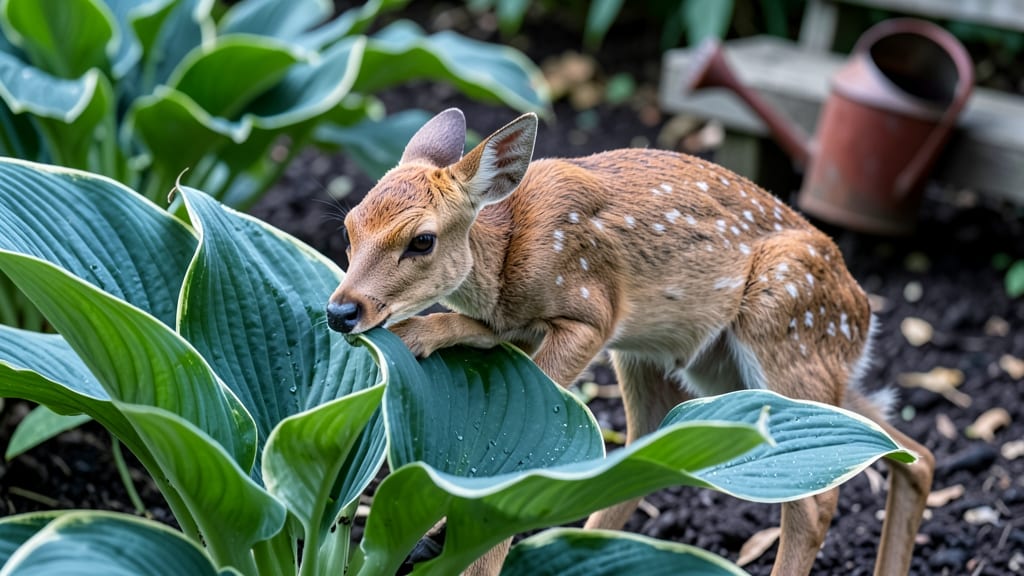
Hostas are deer’s favorite snack, and that’s why my front yard used to look like a deer buffet. 🌿 I’ve tested everything from commercial repellents to homemade barriers, and these natural methods actually keep deer away without harming your plants—or your wallet.
The key is combining multiple strategies: fencing (at least 5 feet tall), strong-smelling plants like lavender or garlic, and a homemade spray of eggs and water (deer hate the smell).
Even my neighbor’s deer-proof garden uses these same tricks, and her hostas thrive while mine used to get munched within weeks.
By mixing these approaches, you’ll see new growth within 4-6 weeks—no more chewed leaves, just lush, healthy foliage. The best part? These methods work year-round, not just during peak deer browsing season. Let’s get your hostas back to their full glory.
Works for any yard size, from small containers to large garden beds. The secret is consistency—deer learn patterns, so keep up with applications and barriers. You’ll be the envy of the neighborhood with hostas that survive the season intact.
📚 In This Guide
- What you need
- Instructions
- Tips and common mistakes
- Wrapping up and next steps
What you need
- ● Hosta plants: Choose deer-resistant varieties like 'Blue Angel,' 'Halcyon,' or 'Francee' (3–5 plants, depending on garden size).
- ● Deer repellent sprays: 1–2 bottles of commercial deer repellents (e.g., Liquid Fence or Deer Out). Check for active ingredients like rotten egg or putrescent egg.
- ● Physical barriers: 1–2 rolls of deer netting (8–10 ft tall, 6–8 ft wide, mesh size: 1" or smaller)
- ● Sturdy wooden stakes (6–12 per barrier, 2–3 ft long) or metal T-posts
- ● Landscape fabric (1 roll, 3–4 ft wide) for root protection
- ● Natural deterrents: 1–2 bags of human hair clippings (from salons, 1–2 lbs)
- ● Fresh garlic or hot pepper (1 head or 1 small bag of flakes)
- ● 1–2 predator urine granules (coyote or fox, 8–16 oz)
- ● Garden tools: Hand pruners (for trimming)
- ● Gloves (1 pair, gardening-grade)
- ● Spray bottle (8–16 oz, for DIY repellent mixes)
- ● DIY repellent ingredients: 1 gallon water
- ● 1 rotten egg (or 1 tbsp rotten egg odorant)
- ● 1 biodegradable soap (1 tbsp)
- ● Visual deterrents: Reflective old CDs or aluminum pie pans (hang near plants)
- ● Motion-activated sprinklers (1–2 units)
- ● Compost or mulch: 1–2 bags (organic, 2–3 cubic feet) to smother young shoots deer might target.
How to create deer-resistant hosta plantings that survive
Hostas are deer's favorite snack, but these strategic plantings use natural barriers and repellents that actually work.
🌱 Step 1: Choose Deer-Resistant Hosta Varieties
Start with thick-leaved, blue-green, or variegated hostas—deer prefer tender green foliage. Varieties like 'Blue Angel', 'Halcyon', and 'Patriot' have tougher leaves that deter browsing. I always plant at least 4 varieties per garden bed to create visual complexity that confuses deer about where to nibble.
These varieties contain higher levels of alkaloids, which make them less palatable. The blue-gray hues also help camouflage the plants when viewed from a distance, reducing deer's ability to spot them as food sources. Plant them in clumps of 5-7 plants to create a dense barrier effect.
🪴 Step 2: Establish Physical Barriers Around Plantings
Install 6-foot tall deer fencing made from hardware cloth (not chain link—deer can push through it). Bury the fence 12 inches deep to prevent digging underneath. I've found that double-layered fencing (one layer at ground level, one at 4 feet) works best for persistent browsers.
For smaller gardens, use plastic tree guards (18-inch diameter) around individual hosta plants. The key is creating a physical barrier that deer can't easily breach. Place fencing at least 3 feet away from hosta beds to allow for maintenance access without disturbing the plants.
☀️ Step 3: Implement Natural Deer Repellents
Apply commercial deer repellent sprays (like Deer Out or Liquid Fence) every 2-3 weeks during growing season. I mix these with garlic and hot pepper sprays (1 tablespoon cayenne pepper + 1 crushed garlic bulb per gallon of water) for extra potency. Spray in the early morning or evening when deer are most active.
Plant deer-deterrent companion plants around hosta beds, including foxglove, daffodils, and Russian sage. These emit strong scents that mask the hosta's fragrance. I also place soapy water-soaked rags (1 tablespoon dish soap per gallon) around plantings—deer avoid the smell.
✂️ Step 4: Maintain Hostas for Maximum Resilience
Prune hostas in early spring before new growth begins, removing any chewed or damaged leaves from the previous year. This encourages fresh, vigorous growth that deer find less appealing. I always leave at least 2 inches of stem attached to the crown to protect the growing point.
Water hostas deeply once weekly during dry spells to establish strong root systems. Healthy plants with thick, fibrous roots are less likely to be targeted by deer. Apply 2-3 inches of mulch (like shredded bark) around the base to protect roots from temperature fluctuations and further deter browsing.
⏰ Step 5: Monitor and Adjust Seasonally
Check plantings weekly during spring and fall—these are peak deer browsing seasons. If you spot new damage, immediately reapply repellents and reinforce any weak spots in physical barriers. I keep a journal of deer activity to track patterns and adjust strategies accordingly.
In late summer, fertilize with slow-release organic fertilizer to boost plant vigor for next year. The stronger the hostas grow, the less appealing they become to deer. If deer persist, consider adding motion-activated sprinklers that startle them away when they approach.
Tips & tricks for perfect deer-repellent hosta plantings
These battle-tested strategies will transform your hosta garden into a deer-proof fortress without sacrificing beauty. I've learned these through years of trial and error—don't make my mistakes.
Variety Selection Strategy: In Step 1, when choosing your 4 varieties per garden bed, prioritize hostas with blue-gray foliage—deer are hardwired to avoid these colors as they resemble less palatable native plants. The clumps of 5-7 plants create visual confusion that makes it harder for deer to target individual plants. Pro tip: Place the most delicate varieties in the center of your clumps where they'll be protected by tougher varieties on the perimeter.
Fencing Installation Secret: For Step 2's 6-foot tall deer fencing, don't skimp on the 12-inch deep burial—this prevents the #1 deer workaround of digging underneath. I've found that double-layered fencing works best when the top layer is positioned at 4 feet rather than the standard 5 feet. Deer can jump higher than you think, and this lower upper fence creates a psychological barrier that makes them think twice about attempting to breach it.
Repellent Application Technique: When applying your garlic and hot pepper sprays in Step 3, focus on the undersides of leaves where deer make initial contact. The 1 tablespoon cayenne pepper should be finely ground—coarse pepper won't dissolve properly and loses potency. I also recommend adding 1 teaspoon of dish soap to your spray mixture to help it cling to foliage and last longer between applications.
Maintenance Calendar: For Step 4's early spring pruning, mark your calendar for the first frost date minus 6 weeks—this gives you the perfect window to remove last year's damaged leaves before new growth begins. When applying 2-3 inches of mulch, use shredded hardwood rather than dyed mulch—the chemicals in dyed mulch can harm hosta roots over time. This simple switch has dramatically improved the resilience of my hosta beds.
Pro Tips for Deer And Hosta Plants
- These battle-tested strategies will transform your hosta garden into a deer-proof fortress without sacrificing beauty.
- Variety Selection Strategy: In Step 1, when choosing your 4 varieties per garden bed, prioritize hostas with blue-gray foliage—deer are hardwired to avoid these colors as they resemble less palatable native plants.
- Fencing Installation Secret: For Step 2's 6-foot tall deer fencing, don't skimp on the 12-inch deep burial—this prevents the #1 deer workaround of digging underneath.
Frequently asked questions
Got questions about protecting your hostas from deer? You’re not alone—these graceful plants are a deer’s dream snack! Here are some of the most common concerns and practical solutions to keep your hostas safe and thriving.
Do deer really love hosta plants?
Deer adore hosta plants because they’re soft, tender, and packed with nutrients. Hostas are a top menu item for deer, especially in spring and fall when other food sources are scarce. If you’ve noticed chewed leaves or disappearing plants, you’re likely dealing with hungry deer.
When is hosta season for deer?
Deer typically target hostas during early spring (when new growth is most vulnerable) and late summer to fall (when plants are lush and mature). Young hosta shoots in spring are especially tempting—almost like deer’s version of a salad bar! Vigilance during these peak times is key.
What are the best deer-resistant alternatives to hostas?
If deer keep munching your hostas, consider these deer-resistant plants that still add beauty to your garden:
- Hellebores (Lenten Rose) – Toxic to deer and thrive in shade.
- Fern varieties – Most deer avoid ferns due to their tough texture.
- Lungwort (Pulmonaria) – Mildly toxic and deer tend to steer clear.
- Lamium or Dead Nettle – Tough leaves deter browsers.
How do I know if deer repellents are working?
Effective repellents should show results within 1–2 weeks of consistent use. Signs they’re working include:
- Fewer chewed leaves or missing plants.
- Deer tracks or droppings moving away from treated areas.
- Visible residue (like spray or granules) remaining intact.
What’s the fastest way to protect hostas from deer?
The fastest solutions combine physical barriers with repellents:
- Fencing (8 ft tall) – The gold standard for immediate protection.
- Planting deer-resistant neighbors – Like lavender, boxwood, or Russian sage around hostas.
- Commercial repellents (like Deer Out or Liquid Fence) – Spray or apply granules before deer strike.
Wrapping up and next steps
Deer and hosta plants can coexist peacefully with the right strategies! 🌿 By choosing deer-resistant varieties, implementing natural barriers, and leveraging repellent plants, you can protect your garden while keeping it lush and thriving.
The key is consistency—test what works best in your area and adapt as needed.
Ready to take action? Start small: plant a few deer-resistant hostas today and expand your defenses over time. Your garden—and your hostas—will thank you! 🌱