Planting
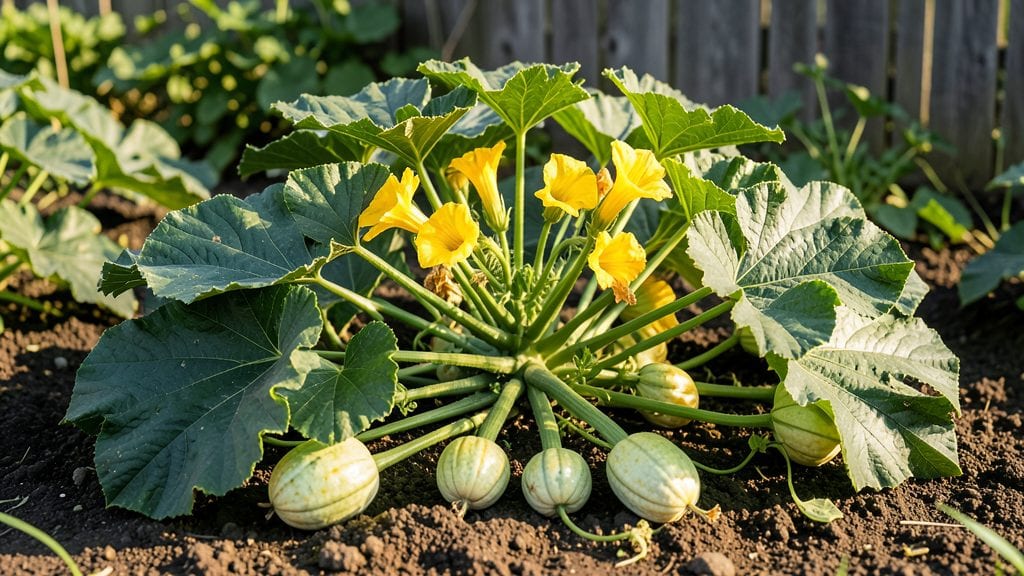
The desi squash plant thrives with surprisingly little fuss once you understand its simple needs. 🌱 I’ve grown bottle gourds in both tropical and temperate climates, and their hardy nature makes them perfect for gardeners who want reliable harvests without constant maintenance.
The key lies in warm soil, consistent moisture, and letting those vines sprawl naturally—no pruning required.
Desi squash loves full sun and well-draining soil, but it’s remarkably adaptable. In tropical climates, it grows aggressively, while in cooler regions, a long growing season or container culture extends its potential.
The plant’s deep roots and sprawling habit make it drought-tolerant once established, though young vines need steady watering to prevent bitter fruit.
By midsummer, you’ll see those distinctive bottle-shaped gourds forming along the vines. They’re versatile—used in traditional dishes, dried for storage, or even carved into utensils in some cultures. The harvest continues for months if you keep the soil moist and protect the fruit from pests like squash bugs.
Whether you’re growing for food, fiber, or cultural tradition, desi squash delivers with minimal effort. The real secret? Planting early, giving it space, and letting nature do the rest. Ready to grow yours?
📚 In This Guide
- What you need
- Instructions
- Tips and common mistakes
- Wrapping up and next steps
What you need
- ● Desi squash seeds: 3–5 seeds per plant (choose heirloom varieties like Petha or Kaddu for authentic flavor).
- ● Seed-starting soil or potting mix: 1–2 bags (sterile, well-draining, and rich in organic matter).
- ● Garden bed or containers: For garden beds: At least 3–4 sq. ft. per plant (squash vines spread!).
- ● For containers: 5-gallon pots or larger (with drainage holes).
- ● Compost or organic fertilizer: 1–2 cups per planting hole (boosts growth and fruit production).
- ● Watering can or hose with a gentle spray nozzle: (Squash plants need consistent moisture!).
- ● Mulch (straw or shredded leaves): 2–3 inches thick (retains moisture and suppresses weeds).
- ○ Stakes or trellis (optional but helpful): For bush varieties to support vines (if not letting them sprawl).
- ● Plant markers: To label varieties (especially useful if growing multiple types).
- ● Row covers or netting: Protects young plants from pests like squash bugs. 🐞
- ● Epsom salt (magnesium sulfate): 1 tbsp per plant (boosts chlorophyll for greener leaves).
- ● Drip irrigation system: For automated watering (saves time and effort!).
Step-by-step guide to growing desi squash for year-round harvests
Here’s the foolproof method I’ve used for decades to grow vigorous desi squash with minimal fuss.
🌱 Step 1: Prepare the Planting Site and Soil
Desi squash thrives in well-draining soil with plenty of organic matter. Amend your garden bed with 2-3 inches of compost and work it into the top 12 inches of soil. This plant loves warmth, so wait until soil temperatures reach at least 60°F before planting—cold soil delays germination and invites rot.
Choose a location with full sun exposure (6-8 hours daily) and space at least 3 feet apart between plants. Desi squash vines sprawl, so give them room to spread without competing for nutrients. If growing in containers, use pots at least 18 inches deep with drainage holes—these plants hate soggy roots.
🌱 Step 2: Plant Seeds or Transplants at the Right Time
Sow seeds ½ inch deep, spacing them 2-3 feet apart in rows 4 feet apart for easy maintenance. If using transplants, bury them slightly deeper than their original pot level—this encourages stronger root development. Water the soil thoroughly 24 hours before planting to reduce transplant shock.
Here’s the thing—desi squash seeds germinate best in warm soil (70-85°F). If your spring is cool, use a seedling heat mat or wait until late May to plant. You’ll see sprouts in 7-10 days if conditions are ideal. If germination takes longer, check soil moisture—it should feel damp but not waterlogged.
☀️ Step 3: Provide Consistent Water and Mulch
Water deeply once a week, aiming for 1-1.5 inches per week—more during fruit development. Desi squash is drought-tolerant once established, but uneven watering causes bitter fruit. Use a drip irrigation system or water at the base in the morning to prevent fungal diseases.
Apply 2-3 inches of straw or wood chip mulch around plants to retain moisture, suppress weeds, and keep soil temperatures stable. Mulch also protects squash from soil-borne diseases like powdery mildew, which can devastate vines if left unchecked. Refresh mulch every 4-6 weeks as it breaks down.
🌿 Step 4: Minimal Pruning and Support for Healthy Growth
Unlike some squash varieties, desi squash requires almost no pruning. However, remove any yellowed or diseased leaves immediately to redirect energy to fruit production. If vines sprawl excessively, gently guide them into a cage or trellis to save space—just avoid damaging the stems.
Watch for male flowers (long stems, no swelling at the base) and female flowers (tiny squash at the base). Hand-pollinate female flowers in the morning by transferring pollen from male to female blooms with a small brush. This ensures better fruit set, especially in cool or rainy weather.
✂️ Step 5: Harvest at Peak Ripeness for Best Flavor
Desi squash is ready to harvest when the skin turns deep green and the fruit feels heavy for its size. Use a sharp knife or pruners to cut stems, leaving 1 inch of stem attached to preserve freshness. Harvest every 3-5 days during peak season to encourage continuous production.
Store squash in a cool, dry place (50-55°F) for up to 2 weeks. For long-term storage, cure them in the sun for 2-3 hours before bringing indoors. This process thickens the skin, extending shelf life to 2-3 months. Overripe squash can be roasted or blended into soups—waste not, want not!
Tips & tricks for perfect desi squash growth
Mastering desi squash growth is all about understanding its unique needs—and avoiding the common pitfalls that sabotage yields. These insights will help you troubleshoot challenges before they arise while maximizing your harvest potential.
Soil Temperature is Non-Negotiable: The instructions specify waiting until soil reaches at least 60°F before planting, but here's why this matters: desi squash seeds won't germinate properly below 60°F. I've seen gardeners rush planting in cool weather only to get patchy germination. Use a soil thermometer to confirm—if it's below 60°F, wait or use a heat mat. The 70-85°F sweet spot for germination is what creates those vigorous starts you want to see in 7-10 days.
Watering Strategy Makes All the Difference: While the instructions call for once-weekly deep watering, timing matters just as much. I've found that morning watering prevents fungal issues by allowing foliage to dry completely. During fruit development, increase to 1.5 inches weekly—this is when uneven watering causes that bitter flavor we're all trying to avoid. A drip irrigation system on a timer is worth the investment for consistent moisture without wetting leaves.
Mulch Maintenance is Critical: The 2-3 inches of straw mulch recommended isn't just for looks—it's a disease prevention powerhouse. Refresh it every 4-6 weeks as it breaks down, but here's the pro move: add a thin layer of fresh mulch right after watering to lock in moisture. I've noticed my plants stay healthier and produce more consistently when I maintain this mulch barrier, especially during hot summer months when soil can dry out quickly.
Harvest Timing is an Art: Those 3-5 day harvest intervals during peak season might seem frequent, but they're essential. I've learned the hard way that waiting too long reduces both quantity and quality—overripe squash develops tough skin and less sweet flesh. The deep green skin and heavy-for-size feel are your cues, but here's a visual trick: when the stem starts to separate easily from the vine, that's your perfect window. Harvesting at this stage ensures you get the most fruit from each plant.
Pro Tips for Desi Squash Plant
- Mastering desi squash growth is all about understanding its unique needs—and avoiding the common pitfalls that sabotage yields.
- Soil Temperature is Non-Negotiable: The instructions specify waiting until soil reaches at least 60°F before planting, but here's why this matters: desi squash seeds won't germinate properly below 60°F.
- Watering Strategy Makes All the Difference: While the instructions call for once-weekly deep watering, timing matters just as much.
Frequently asked questions
How long does it take for desi squash to bear fruit after planting?
A desi squash plant typically starts producing flowers in 45–55 days after germination, with fruit ready to harvest in 60–80 days, depending on the variety and growing conditions. Patience is key—warm soil and consistent watering speed up the process!
Why aren’t my desi squash flowers turning into fruit?
If your flowers aren’t converting to squash, it could be due to lack of pollination (hand-pollinate with a soft brush), temperature stress (below 70°F or above 90°F), or nutrient deficiencies (add compost or a balanced fertilizer). Female flowers (with tiny squash at the base) need male pollen—check for bees or give them a helping hand!
Can I grow desi squash in containers, or does it need a garden bed?
Yes! Desi squash thrives in large containers (15+ gallons) with good drainage. Choose bush varieties (like Petha) over vining types, and ensure the pot gets 6–8 hours of sunlight daily. Just monitor watering—containers dry out faster than garden beds.
How do I revive a wilting desi squash plant?
Wilting often signals overwatering, underwatering, or pests. First, check the soil—it should be moist but not soggy. Trim yellowed leaves, adjust watering, and inspect for pests (like squash bugs). If roots are mushy, repot in fresh soil. A balanced fertilizer can also boost recovery.
Are there any easy alternatives to desi squash for beginners?
If desi squash seems tricky, try butternut squash (hardier, slower-growing) or zucchini (faster harvest, prolific producer). Both are beginner-friendly and versatile in cooking! For a similar taste, bottle gourd (lauki) is another great option.
Wrapping up and next steps
Growing a desi squash plant is a rewarding journey that brings vibrant harvests with minimal fuss—perfect for both beginners and seasoned gardeners! 🌱 With its hardy nature and low-maintenance needs, this versatile plant rewards patience with delicious, homegrown produce year-round.
Whether you’re a foodie or a plant enthusiast, now’s the time to roll up your sleeves and start your own patch.
Ready to take the next step? Start by gathering your supplies and picking a sunny spot in your garden or balcony. Then, plant those seeds and let nature do the rest—you’ll be feasting on fresh, homegrown squash before you know it! 🍽️