
Diseases
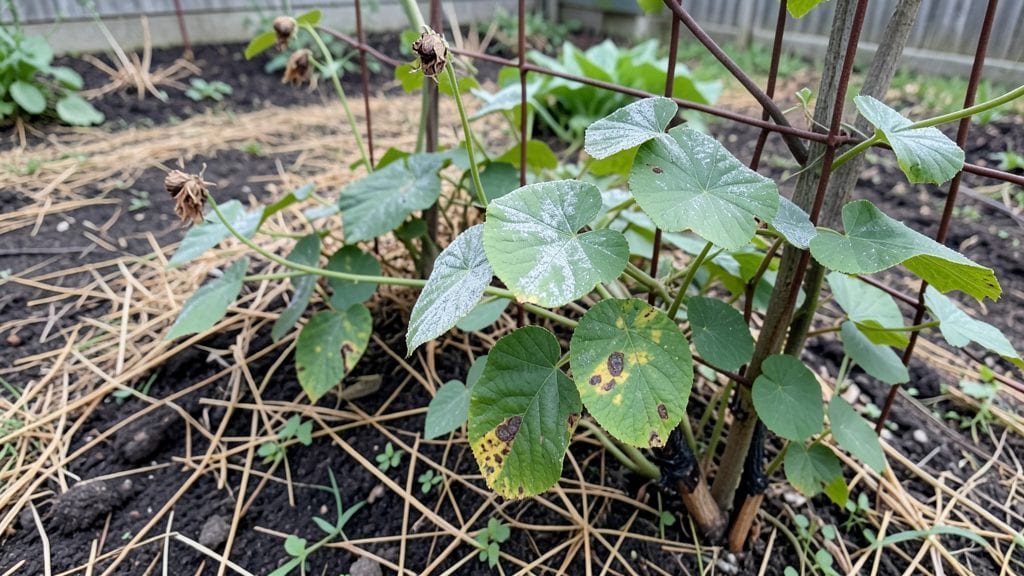
Clematis plants can look stunning one day and wilted the next—often because of sneaky fungal diseases that thrive in damp conditions. 🌿 I’ve battled everything from white powdery coatings to blackened stems, and I’ll show you how to spot these 12 common foes before they ruin your vines.
The key is acting fast, because once the spots spread or the leaves yellow, recovery gets harder.
Most clematis diseases start with too much moisture—whether from overhead watering, poor airflow, or rainy seasons. Powdery mildew leaves a chalky white dust on leaves, while leaf spots appear as dark, greasy patches that grow bigger if ignored.
Wilt can strike suddenly, turning vibrant stems limp in a matter of days. The good news? Organic sprays like neem oil or baking soda mixtures work wonders when caught early, and a few simple adjustments can prevent future outbreaks.
You’ll learn to recognize each disease by its unique markings—some look like freckles, others like rusty stains—and how to treat them without harsh chemicals. A healthy clematis should have glossy leaves, sturdy stems, and blooms that last from early summer through fall.
With the right care, you’ll keep your vines thriving year after year, even in humid climates where fungi love to hide.
Whether you’re dealing with a single suspicious leaf or a full-blown crisis, this guide gives you the tools to diagnose, treat, and protect your plants. No more guessing what’s wrong—just clear steps to save your clematis before the damage spreads. Let’s get those vines back to their best!
Root Causes Of Clematis Ailments
Clematis plants, with their stunning blooms and climbing vines, are susceptible to a variety of diseases, primarily fungal. Understanding the underlying reasons these issues arise is key to prevention and effective treatment. Here’s a breakdown of why clematis plants fall prey to these fungal foes:
Fungal spores thrive in stagnant, humid environments—conditions often created by overcrowded planting or dense foliage. Clematis vines, especially those trained on trellises or arbors, can trap moisture when leaves and stems grow too close together.
- Why it happens: Fungal pathogens like Cercospora (leaf spot) and Botrytis (gray mold) spread rapidly in high humidity (above 75%) and poor airflow. - Actionable insight: Space vines at least 3–5 feet apart and prune for an open, airy structure.
Avoid planting clematis in tight clusters or against walls that trap moisture.
Clematis roots and leaves are particularly sensitive to prolonged dampness. Overwatering, poor drainage, or rain-soaked vines create the perfect breeding ground for fungal infections.
- Why it happens: Waterlogged soil promotes root rot (Phytophthora), while wet leaves encourage Powdery Mildew (Erysiphe) and Downy Mildew (Peronospora). - Actionable insight: Water at the base (not overhead) and ensure pots or garden beds have drainage holes.
Raise containers slightly to prevent soggy roots.
Fungal spores become aggressive when temperatures hover between 50–75°F (10–24°C) and humidity spikes—common in spring and fall. Sudden shifts (e.g., cool nights + warm days) weaken plant defenses.
- Why it happens: Alternaria leaf spot and Septoria leaf blight flourish in these conditions, exploiting stressed clematis.
- Actionable insight: Mulch with organic matter (like straw) to moderate soil temp. Avoid planting in low-lying areas where cold air pools.
Fungal pathogens persist in garden tools, compost, or old plant debris. Even healthy clematis can contract diseases if exposed to infected sources.
- Why it happens: Pruners, gloves, or soil amended with diseased plant material can reintroduce Verticillium wilt or Rhizoctonia root rot.
- Actionable insight: Sterilize tools with 70% isopropyl alcohol. Remove and dispose of infected leaves/debris promptly (don’t compost them).
Clematis deprived of key nutrients (like phosphorus or potassium) or suffering from drought/over-fertilization become vulnerable to fungal attacks.
- Why it happens: Weakened plants can’t fend off Powdery Mildew or Clematis Wilt (Fusarium).
- Actionable insight: Test soil pH (ideal: 6.5–7.0) and use balanced fertilizer (e.g., 10-10-10). Avoid nitrogen-heavy feeds that promote lush but weak growth.
Insects like aphids or spider mites damage leaves, creating wounds where fungal spores can invade. Their honeydew also fosters sooty mold.
- Why it happens: Botrytis and Alternaria exploit these openings, turning minor pest damage into full-blown infections.
- Actionable insight: Monitor for pests and treat early with neem oil or insecticidal soap. Encourage natural predators (ladybugs, lacewings).
Pro Tip 💡: Rotate planting locations every 3–4 years to break fungal life cycles in the soil. If a clematis bed was diseased, solarize the soil (cover with clear plastic for 4–6 weeks in summer) to kill spores.
Fixing Clematis Diseases Step by Step
Reviving your clematis from disease doesn’t have to be a guessing game. With the right approach, you can tackle each issue head-on and restore your plant’s health. Below are practical, actionable solutions tailored to the most common fungal foes, along with prevention tips to keep future outbreaks at bay.
Cause: Cercospora or Septoria fungi thrive in damp, humid conditions, creating brown or black spots on leaves.
How to Fix It: 🔥 Remove infected foliage immediately – Snip off spotted leaves with clean pruners and dispose of them in the trash (not compost). This stops the spread. 🍳 Apply a fungicide – Use a copper-based fungicide (like copper hydroxide) or a neem oil solution (1 tbsp neem oil + 1 tsp mild soap per quart of water). Spray both sides of leaves and repeat every 7–10 days until new growth appears. 👨🍳 Improve airflow – Prune nearby plants to reduce humidity around clematis. Space vines at least 12–18 inches apart and avoid overhead watering. 🥘 Boost plant resilience – Fertilize with a balanced, slow-release fertilizer (10-10-10) to strengthen the plant’s defenses.
💡 Prevention Tip: Water early in the day (before 10 AM) to allow leaves to dry quickly. Avoid mulching too close to the stem—keep it 3–4 inches away.
Cause: Erysiphe fungi create a white, powdery coating on leaves, weakening the plant and reducing flowering.
How to Fix It: 🔥 Wipe off mildew gently – Use a soft cloth dampened with soapy water (1 tsp mild dish soap + 1 quart water) to remove surface growth. Avoid harsh scrubbing to prevent damage. 🍳 Spray with fungicidal soap – Mix 1 tbsp baking soda + 1 tsp horticultural oil + 1 quart water and apply every 5–7 days until symptoms vanish. For severe cases, switch to potassium bicarbonate (2.5 tbsp per gallon). 👨🍳 Prune for sunlight – Thin out dense foliage to increase airflow and reduce humidity. Powdery mildew loves shade—aim for at least 6 hours of direct sun daily. 🥘 Strengthen with sulfur – Dust elemental sulfur (1–2 tbsp) around the base of the plant once a month during dry weather to prevent recurrence.
🌡️ Prevention Tip: Space plants properly—crowding invites mildew. If growing in containers, choose terracotta pots (they dry faster than plastic).
Cause: Fusarium or Verticillium wilts cause sudden drooping, yellowing, and vascular discoloration—often fatal if untreated.
How to Fix It: 🔥 Isolate the plant – Remove and dispose of the entire infected vine (burning is best) to prevent soil contamination. 🍳 Disinfect the soil – Mix 1 part hydrogen peroxide (3%) to 10 parts water and pour into the soil around the roots. Repeat weekly for 4 weeks to kill fungal spores. 👨🍳 Replace contaminated soil – Dig out 6–12 inches of infected soil and replace with sterilized potting mix or fresh garden soil amended with compost. 🥘 Boost root health – Plant resistant varieties (like ‘Jackmanii’ or ‘Niobe’) in well-draining soil and avoid overwatering.
✨ Prevention Tip: Rotate planting locations—never replant clematis in the same spot where wilt occurred. Use drip irrigation to keep foliage dry.
Cause: Phytophthora or Pythium cause soft, mushy stems and blackened bases—often from overwatering or poor drainage.
How to Fix It: 🔥 Trim affected stems – Cut back 2–3 inches below the rot with sterilized pruners (wipe with rubbing alcohol between cuts). 🍳 Apply fungicide to soil – Use mycorrhizal fungi (like Trichoderma) or phosphite-based fungicides (e.g., Subdue) to treat the root zone. 👨🍳 Improve drainage – Amend soil with perlite or coarse sand to prevent waterlogging. If in a pot, add drainage holes and elevate it. 🥘 Adjust watering habits – Water deeply but infrequently (1–2 times per week) and never let soil stay soggy.
🎯 Prevention Tip: Mulch lightly (1–2 inches) with straw or wood chips—keep it away from the stem to avoid moisture buildup.
Cause: Puccinia fungi create orange pustules on leaves, weakening the plant over time.
How to Fix It: 🔥 Remove all infected leaves – Burn or trash them immediately—do not compost. 🍳 Spray with copper fungicide – Apply copper fungicide (follow label rates) every 10–14 days until new growth is rust-free. 👨🍳 Clean up debris – Rake and remove fallen leaves from the area to eliminate spores. 🥘 Encourage competition – Plant rust-resistant ground covers (like clover) beneath clematis to outcompete fungal spores.
💡 Prevention Tip: Avoid overhead watering—use a soaker hose or drip system instead.
✅ Monitor regularly – Check leaves weekly for early signs of disease. ✅ Rotate treatments – Avoid using the same fungicide repeatedly—fungi can build resistance. ✅ Strengthen the plant – Feed with compost tea or fish emulsion (diluted to 1 tbsp per gallon) every 4–6 weeks for natural immunity. ✅ Quarantine new plants – Keep new clematis additions separate for 2–3 weeks to spot diseases early.
By acting quickly and methodically, you can save your clematis and enjoy healthy, blooming vines all season long. 🌿💪
Frequently asked questions about clematis plant health
Why do clematis leaves suddenly turn yellow and wilt?
Yellowing and wilting often signal Verticillium or Fusarium wilt, fungal diseases that clog the plant’s vascular system. These wilts appear as sudden drooping with yellowing leaves, even when the soil stays moist. The key difference from drought stress is that wilting happens even after watering—a sure sign of fungal blockage.
Can I save a clematis plant with powdery mildew?
Yes! Start by pruning affected leaves and wiping off mildew with a soapy cloth. Apply a baking soda spray (1 tbsp baking soda + 1 tsp oil + 1 quart water) every 5–7 days until new growth appears. For severe cases, use potassium bicarbonate or a copper fungicide—but avoid overhead watering to prevent recurrence.
What’s the best way to prevent clematis diseases in containers?
Use terracotta pots (they dry faster than plastic) and ensure drainage holes at the bottom. Water only at the base, never overhead, and elevate pots to avoid soggy roots. Add perlite or sand to potting mix for better drainage, and sterilize containers between plantings with a 10% bleach solution.
Are there clematis varieties that resist diseases?
Varieties like ‘Jackmanii’ and ‘Niobe’ show better resistance to wilt and mildew. For rust-prone areas, try ‘Perle d’Azur’ or ‘The President’. Always check the parentage—hybrids often inherit disease resistance from one parent while retaining hardiness from another.
How do I know if my clematis has root rot or just needs more water?
Root rot causes mushy, blackened stems at the base and a foul odor, while thirsty clematis simply droops but recovers after watering. Gently pull back mulch—if roots smell sour or look slimy, it’s rot. Dig up a small section to check: healthy roots are firm and white, while rotten ones are brown and mushy.