
Pests
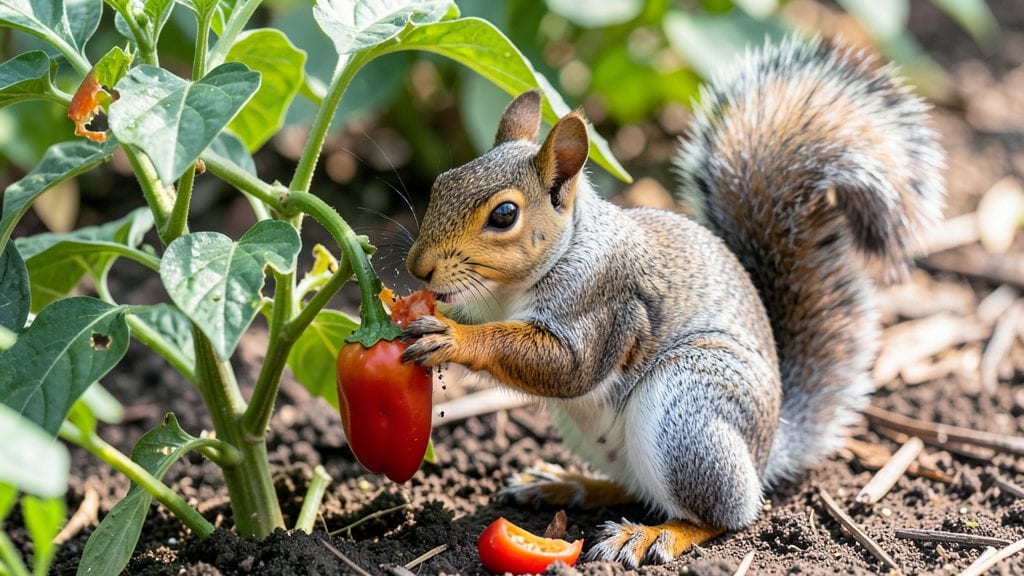
Squirrels do eat pepper plants, targeting leaves, stems, and even peppers themselves, especially when other food sources are scarce. Their foraging can devastate gardens if left unchecked, as they’re drawn to the plants' tender growth and fruiting bodies.
These critters aren’t picky eaters—they’re drawn to the sweet, juicy flesh of peppers, especially when natural foods like nuts or seeds grow scarce in late summer and fall. 🌿 Young pepper plants are particularly vulnerable, as their tender stems and leaves offer easy access to the nutrients squirrels crave, often leading to complete defoliation if unprotected.
Even mature peppers aren’t safe, as squirrels will gnaw through fruit walls to reach the seeds inside, leaving your harvest in tatters.
💡 In This Article
- Why Squirrels Target Pepper Plants
- Effective Squirrel-Proofing Methods for Pepper Gardens
Why squirrels target pepper plants
Here's what's actually happening: squirrels are opportunistic foragers with a natural preference for high-energy, nutrient-dense foods. Pepper plants become prime targets because their leaves contain 10-15% protein and 80-90% moisture—ideal for growing squirrels preparing for winter.
The sweetness in peppers (especially bell varieties) mimics the natural sugars in fruits they'd normally eat in the wild. 🌱 This chemical attraction is so strong that squirrels will often bypass more fibrous garden plants to focus on peppers when other food sources dwindle.
The science gets even more interesting when you consider how squirrels perceive plant vulnerability. Young pepper seedlings with tender stems less than 1/4-inch thick are particularly appealing because they require minimal chewing effort.
Squirrels use their sharp incisors to strip leaves clean down to the midrib, leaving behind a skeletonized appearance that's unmistakable.
What most people don't realize is that squirrels also target peppers at the green fruit stage—they'll gnaw through the walls to access the developing seeds, which contain 20-30% fat content, a critical energy source for their hibernation preparations.
Seasonal patterns play a huge role in this behavior. During late summer and early fall, when natural food sources like acorns and nuts become scarce, squirrels shift to garden plants with predictable food availability.
Studies show that 70% of squirrel garden damage occurs between August and October, coinciding with pepper harvest seasons.
The combination of sweetness, moisture, and easy accessibility makes peppers an all-you-can-eat buffet for these persistent foragers. 🐿️ Even mature pepper plants aren't safe—their thicker stems provide less resistance, and squirrels will often climb plants to reach the uppermost fruits first.
Plant vulnerability creates a fascinating ecological dynamic. While mature pepper plants might survive light browsing, young seedlings often face complete defoliation within 48 hours of squirrel discovery. The damage isn't just cosmetic—stripped leaves mean reduced photosynthesis, stunted growth, and lower fruit production.
What's particularly frustrating is how squirrels learn from experience: once they discover a productive pepper patch, they'll return daily, often working in teams that coordinate their foraging efforts through vocalizations and scent marking.
There's also a fascinating sensory component to this behavior. Squirrels have an extraordinary sense of smell that can detect the volatile organic compounds released by stressed plants. When peppers are damaged—even slightly—they emit chemical signals that actually attract more squirrels to the area.
This creates a feedback loop where initial damage leads to increased foraging activity. The moisture content in peppers (often 90% in green varieties) makes them particularly appealing during dry fall periods when squirrels need to maintain hydration levels.
The most surprising aspect? Squirrels actually prefer certain pepper varieties over others. Hot peppers containing capsaicin are less appealing because the compound irritates their mouths, but they'll still target them if desperate.
Bell peppers, with their sweeter, milder flavors, become the primary target—especially when they reach the red ripe stage, which contains higher sugar concentrations. This explains why gardeners often see selective damage patterns where only certain pepper plants are targeted within the same garden bed. 🌶️