
Companion Plants
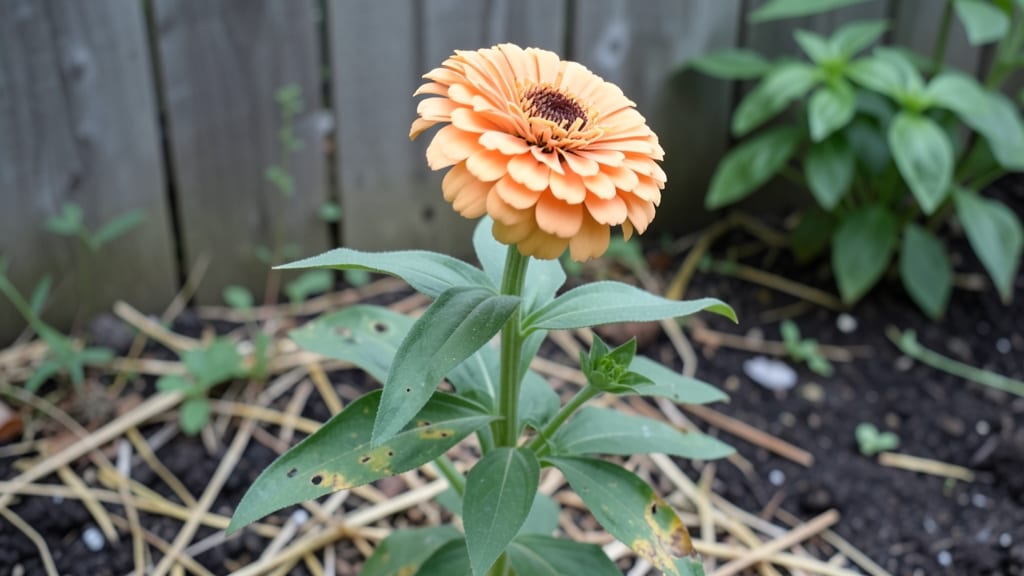
Double zinnia plants turn your garden into a nonstop floral show with their layered, ruffled blooms that last from spring through frost—and beyond if you trim them right. 🌻 I’ve grown these showstoppers for years, and the secret to their year-round performance isn’t complicated: it’s all about timing those three seasonal cuts to keep them flowering like clockwork.
These zinnias aren’t your average single-petal varieties—their double blooms look like tiny dahlias and attract pollinators like crazy. They thrive in full sun and well-draining soil, but the real magic happens when you prune them back after each flush of blooms.
Most gardeners stop at one trim, but I’ve found that three strategic cuts—early spring, midsummer, and late summer—extend the blooming season by months.
By the time fall rolls around, you’ll have a bushy plant covered in fresh blooms, not just a few straggly stems. The flowers stay vibrant longer too, because you’re encouraging new growth instead of letting the plant focus on seed production.
Plus, the more you cut, the fuller the plant gets—it’s like giving them a haircut that makes them look even better.
Works in garden beds, containers, or even as cut flowers for your home. The only downside? You’ll want to grow them everywhere once you see how easy they are to keep in bloom. Let’s get those shears ready!
📚 In This Guide
- What you need
- Instructions
- Tips and common mistakes
- Wrapping up and next steps
What you need
- ● Double zinnia seeds: Choose disease-resistant varieties like Zinnia elegans (e.g., 'Double Cherry' or 'Benary’s Giant'). Plant 3–5 seeds per pot or 10–12 seeds per square foot in the garden.
- ● Well-draining potting mix: 10–12 quarts (for containers) or 2–3 cubic feet (for in-ground planting). Mix with 10–20% perlite or vermiculite for aeration.
- ○ Containers (optional but recommended): 5–7-inch pots with drainage holes (1 pot per 3–5 seeds) or a raised bed (minimum 12" depth).
- ○ Companion plants (optional but fun!): Marigolds (1–2 plants per 4 sq ft) – repels pests!
- ● Basil (1–2 plants per pot) – boosts flavor and deters flies.
- ● Hand trowel – for transplanting seedlings.
- ● Spray bottle – for gentle watering (especially in containers).
- ● Pruning shears – sharp, clean (sterilize with rubbing alcohol).
- ● Garden gloves – to protect hands from thorns.
- ○ pH testing kit (optional) – ideal soil pH: 6.0–7.0.
- ○ Fertilizer (optional): Balanced 10-10-10 or 5-10-10 (low nitrogen!) – 1 tbsp per sq ft every 4–6 weeks.
- ○ Fish emulsion (optional) – 1 tbsp per gallon of water for organic boost.
- ● Sunlight: 6–8+ hours of full sun daily (zinnia thrives in heat!).
- ● Watering schedule: Keep soil consistently moist but not soggy (especially after planting).
- ● Temperature: Start seeds indoors at 70–75°F or sow directly when soil is 55°F+.
- ● Pest control (preventative): Neem oil spray (mix 1 tbsp neem oil + 1 tsp mild soap + 1 quart water).
- ○ Row covers (optional) – protects from caterpillars.
How to grow double zinnia plants for continuous blooms
Zinnias are my go-to for bold color—here’s how to coax three seasons of flowers from a single plant.
🌱 Step 1: Plant Seeds at the Right Time for Strong Starts
Start seeds indoors 6-8 weeks before your last frost date using the 2-ounce biodegradable pots and seed-starting mix. Press seeds ¼ inch deep—any deeper and they’ll struggle to surface. I like to place 2 seeds per pot since zinnias germinate unevenly, and you’ll thin to the strongest sprout later.
Keep the soil consistently moist (not soggy) and maintain 70-75°F warmth with a heat mat if needed. Germination takes 7-14 days—watch for the first tiny green leaves (cotyledons) to appear. Once they do, remove the weaker seedling immediately to avoid competition.
☀️ Step 2: Harden Off and Transplant for Maximum Bloom Potential
Two weeks before moving outdoors, start hardening off by placing pots in partial shade for 1-2 hours daily, gradually increasing to full sun. This toughens stems so they don’t snap in wind or wilt under afternoon heat.
Transplant after all frost risk has passed, spacing plants 12-18 inches apart in full sun (6+ hours daily). The 5-gallon potting mix works well for containers—zinnias love rich, well-draining soil. Water deeply at transplanting to settle roots, then let the top 1 inch of soil dry between waterings.
✂️ Step 3: First Trim for Bushier Growth (4-6 Weeks After Planting)
When plants reach 12-18 inches tall, pinch off the top set of leaves just above a pair of healthy leaves. This forces the plant to branch out, creating more stems for future blooms. Real talk: I used to skip this step, and my zinnias grew tall but leggy with few flowers.
Deadhead spent blooms weekly—snip stems ½ inch below the flower head with clean pruning shears. This redirects energy to new buds instead of seed production. You’ll see new side shoots within 7-10 days of pinching.
🌿 Step 4: Mid-Season Maintenance for Extended Blooms
Every 4-6 weeks, give plants a light trim to encourage fresh growth. Cut back one-third of the plant’s height, focusing on leggy or overgrown stems. This is where zinnias shine—they bounce back quickly with new flushes of blooms within 2-3 weeks.
Fertilize monthly with balanced 10-10-10 (use 1 tablespoon per plant) to support continuous flowering. Water at the base in the morning to prevent fungal issues—zinnias hate wet foliage. If leaves yellow, you’re overwatering or the soil lacks drainage.
⏰ Step 5: Fall and Winter Care for Year-Round Color
As temperatures drop below 50°F, stop fertilizing but keep watering moderately—zinnias need moisture even in cooler months. In Zone 8+, they’ll often rebloom lightly in fall if given partial shade and consistent water.
Before first frost, cut back stems to 6 inches tall and move potted plants to a bright, sheltered spot (like a garage with natural light). Reduce watering slightly—zinnias go dormant in winter but can rebloom in spring if kept alive. I’ve had zinnias surprise me with early spring flowers after overwintering this way!
Tips & tricks for perfect double zinnia plants
A few key tricks will help you coax three seasons of blooms from each zinnia plant—don't skip these!
Germination Secret: The 70-75°F warmth is non-negotiable for reliable germination. I use a simple heat mat under my seed trays and cover them with plastic wrap to trap moisture. This creates a mini greenhouse effect that speeds up germination—you'll see those first tiny leaves in just 7 days instead of 14. Just remember to remove the wrap once sprouts appear to prevent mold.
Hardening Off Hack: In Step 2, when you're gradually increasing sun exposure, I like to place my pots on a windowsill facing east. Morning sun is less intense than afternoon heat, so it's gentler on tender seedlings. Start with just 1 hour on day one, then add 30 minutes each day until you reach full sun. This gradual approach prevents shock and gives you stronger plants.
Pinching Technique: The 4-6 week mark for your first trim is perfect timing—this is when zinnias are establishing their main stem but haven't committed to flowering yet. When you pinch just above a leaf pair, you're telling the plant "branch out here instead." I like to do this on a cloudy day when plants are less stressed from sunlight, and always use clean fingers or pruners to avoid disease transfer.
Winter Survival Tip: Before your first frost, when you cut back stems to 6 inches, I recommend labeling your pots with a permanent marker. This way, you'll know exactly which plants are zinnias when you bring them indoors. I've also found that placing them near a south-facing window (but not direct sun) gives them just enough light to stay alive through winter without overheating.
Pro Tips for Double Zinnia Plants
- A few key tricks will help you coax three seasons of blooms from each zinnia plant—don't skip these!
- Germination Secret: The 70-75°F warmth is non-negotiable for reliable germination.
- Hardening Off Hack: In Step 2, when you're gradually increasing sun exposure, I like to place my pots on a windowsill facing east.
Frequently asked questions
Got questions about growing double zinnia plants? You’re not alone! Here are answers to the most common queries—from timing to troubleshooting—to help you keep those lush blooms thriving year-round.
How often should I trim double zinnias for continuous blooms?
Trim your double zinnias every 4–6 weeks during the growing season (spring through fall). After the first bloom cycle, a light pruning (cutting back 1/3 of the plant) encourages bushier growth. In winter, reduce trimming to once every 8–10 weeks unless you’re in a mild climate.
Can I grow double zinnias indoors for year-round color?
Yes! Start with 6-inch seedlings in pots (12+ inches deep) with well-draining soil. Place them near a south-facing window or under grow lights (12–14 hours/day). They thrive indoors but may need pruning every 3–4 weeks to prevent legginess. Watch for aphids—spray with neem oil if needed.
Why are my double zinnias not blooming as much as expected?
Double zinnias often bloom less than single varieties because their dense petals require more energy. Check for these fixes:
- Light: Ensure they get 6+ hours of direct sun daily.
- Water: Keep soil consistently moist (not soggy).
- Fertilizer: Use a balanced, low-nitrogen feed (like 5-10-10) every 4 weeks.
- Deadheading: Remove spent blooms regularly to redirect energy.
What companion plants pair best with double zinnias?
Double zinnias love these companion plants for a thriving garden:
- Marigolds: Repel pests like aphids and nematodes.
- Basil: Enhances flavor if planted near edibles (like tomatoes).
- Cosmos: Attracts pollinators and shares similar care needs.
- Lavender: Deters pests and adds fragrance.
How do I overwinter double zinnias in cold climates?
Double zinnias are tender perennials—they won’t survive frost. Dig up plants before the first freeze, trim back by half, and pot them in well-draining soil. Store in a cool (40–50°F), dark place (like a garage) and water sparingly (every 2–3 weeks). Repot in spring or propagate cuttings!
Wrapping up and next steps
Growing double zinnia plants is a rewarding way to enjoy vibrant, long-lasting blooms—even year-round with strategic trims! 🌸 By choosing the right varieties, providing proper care, and mastering seasonal maintenance, you’ll transform your garden into a nonstop floral display.
Whether you’re a seasoned gardener or just starting, these tips make it simple to keep your zinnias thriving.
Ready to take the next step? Start by selecting your favorite double zinnia varieties and plan your first trim—your garden (and pollinators!) will thank you. 🌿