
Companion Plants
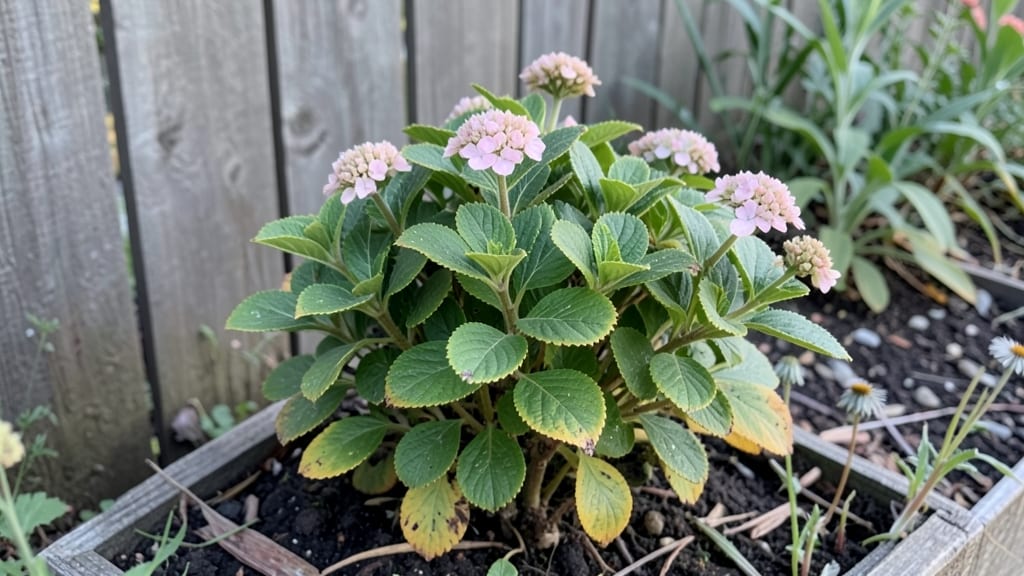
Those easy-care dwarf hydrangea plants turned my shady corner into a lush, blooming oasis—no fancy sun required. These compact powerhouses like 'Little Lime' and 'Endless Summer' thrive where most plants struggle, turning forgettable spots into vibrant focal points with minimal effort.
The secret lies in their love for dappled light and moist, well-draining soil, which I learned the hard way after my first overwatered attempt.
You'll need just a few basics: a spot with 4-6 hours of morning sun, a 5-gallon container or garden bed, and a mix of peat moss and compost to keep roots happy.
These varieties stay under 3 feet tall, making them perfect for borders, window boxes, or even patio pots. Pruning is simple—just snip back dead stems in early spring and trim spent blooms to encourage more flowers.
By midsummer, you'll have clusters of blooms in shades of pink, blue, or lime green that last all season. The foliage stays glossy and healthy even in dry spells, and they attract butterflies without needing extra fuss.
Once established, they're drought-tolerant and rarely bothered by pests—just the kind of low-maintenance beauty every garden craves.
Works equally well in ground beds or containers, and they rebloom reliably if you deadhead regularly. Here's how to keep them thriving year after year without the guesswork.
📚 In This Guide
- What you need
- Instructions
- Tips and common mistakes
- Wrapping up and next steps
What you need
- ● Dwarf hydrangea plants: 3–5 plants (varities like Hydrangea macrophylla 'Mini Penny' or 'Little Lime' work well). Choose from: Nursery-grown plants (1–2 gallons in pots)
- ● Seeds (if starting from scratch—germination takes patience!)
- ● Cuttings (6–8 inches long, from healthy stems)
- ● Well-draining potting mix: 5–10 gallons (look for a blend with peat moss, perlite, and compost).
- ● Containers or garden bed: For containers: 12–15 inch pots (with drainage holes) per plant.
- ● For in-ground planting: A spot with partial to full shade (4+ hours of dappled light).
- ● Slow-release fertilizer: 1–2 cups (10-10-10 NPK ratio) mixed into soil at planting.
- ● Mulch: 2–3 inches of pine bark or shredded leaves to retain moisture.
- ● Garden trowel or small shovel (for transplanting).
- ● Pruning shears (sterilized with rubbing alcohol).
- ● Watering can or hose with a gentle spray nozzle (dwarf hydrangeas hate soggy roots!).
- ○ pH test kit (optional but helpful)—aim for 5.2–6.0 (acidic soil boosts blue/pink blooms!).
- ○ Aluminum sulfate (optional)—1 tbsp per gallon of water to encourage blue flowers.
- ○ Stakes or supports (optional)—if planting in windy areas.
Step-by-Step instructions for planting and caring for dwarf hydrangeas
Here's the straightforward approach I've used to keep these shade-loving beauties thriving for years.
Choose the Perfect Planting Spot
Dwarf hydrangeas need partial to full shade, meaning 4-6 hours of filtered sunlight daily. Too much direct sun scorches their delicate blooms, while too little light weakens stems. I always look for spots under tall trees where dappled sunlight dances across the ground—ideal for these compact plants.
Check the soil before planting. These shrubs prefer moist, well-draining soil with a pH between 5.2 and 6.2 for optimal blue blooms (or slightly higher for pink). If your soil is heavy clay, mix in 2-3 inches of compost to improve drainage and fertility. Test the spot by digging down 12 inches—if it feels compacted, amend it now.
Dig Holes and Plant with Proper Spacing
For four dwarf hydrangeas, dig four holes that are twice as wide as each plant's root ball but only as deep as the container they came in. This prevents burying the stem too deeply, which can cause rot. Gently remove each plant from its container and loosen any circling roots with your fingers.
Place each hydrangea in its hole so the top of the root ball sits level with the surrounding soil. Space plants 3-4 feet apart—close enough for a lush look but far enough to allow airflow and prevent disease. Backfill with the native soil, pressing lightly around the roots to eliminate air pockets. Water deeply to settle everything in place.
Mulch and Water for Establishment
Spread 2-3 inches of mulch (like shredded bark or pine needles) over the soil surface, keeping it 3 inches away from the stems to prevent rot. This conserves moisture, regulates soil temperature, and suppresses weeds—critical for dwarf hydrangeas, which have shallow roots. I always use organic mulch because it breaks down slowly and adds nutrients over time.
Water deeply once a week during the first growing season, providing 1-1.5 gallons per plant each time. The goal is to moisten the soil 12 inches deep, encouraging roots to grow downward for stability. Check moisture by sticking your finger into the soil—if it feels dry past 2 inches, it's time to water. Avoid overhead sprinkling, which can promote fungal diseases.
Prune and Fertilize for Healthy Growth
Prune in late winter or early spring before new growth appears. Remove dead or weak stems at the base and cut back last year's blooms to just above the first set of leaves. This encourages fresh, vigorous growth and more abundant flowers. For four plants, I typically trim no more than 1/3 of each stem—less is better with hydrangeas.
Feed with a balanced, slow-release fertilizer (like 10-10-10) in early spring and again in mid-summer. Apply 1/2 teaspoon per plant and water thoroughly to distribute nutrients. Avoid high-nitrogen fertilizers, which promote leafy growth at the expense of blooms. I also add 1 cup of bone meal around each plant in spring to boost phosphorus for stronger roots and flowers.
Monitor and Adjust for Long-Term Success
Watch for yellowing leaves, which often signal overwatering or poor drainage. If the soil stays soggy for more than a day, improve drainage by adding sand or perlite to the planting hole next time. Brown leaf edges usually mean underwatering—increase frequency to twice a week during heatwaves, but always check soil moisture first.
Adjust bloom color by tweaking soil pH. For bluer flowers, add 1 tablespoon of aluminum sulfate to the soil in spring (follow package instructions). For pink blooms, apply 1 tablespoon of lime instead. Test pH annually with a soil kit—hydrangeas are sensitive to changes. With consistent care, your dwarf hydrangeas will reward you with vibrant blooms year after year.
Tips & tricks for perfect dwarf hydrangea planting
A few simple strategies will help your dwarf hydrangeas thrive and bloom beautifully for years to come.
Lighting Secret: When evaluating that 4-6 hours of filtered sunlight, pay special attention to morning sun patterns. Dwarf hydrangeas handle morning sun better than afternoon heat, so orient your planting to receive gentle morning rays while avoiding harsh afternoon exposure. I've found spots near north-facing walls work exceptionally well for this delicate balance.
Soil Preparation Tip: The 12-inch soil test in Step 1 is crucial—don't skip it. If you find compacted soil, mix in 2-3 inches of compost not just at the bottom but throughout the entire hole. This creates a uniform growing environment that prevents root stress. For clay-heavy soils, I also recommend adding perlite to improve aeration without altering the natural soil structure.
Planting Depth Watch: That root ball level with the surrounding soil rule is non-negotiable. Burying stems too deeply can cause rot, while planting too shallowly exposes roots to temperature swings. I use a small stick as a marker when planting to ensure perfect level alignment before backfilling.
Watering Wisdom: The 1-1.5 gallons per plant measurement assumes average soil conditions. In sandy soils, you may need to water more frequently (every 4-5 days) since water drains quickly, while clay soils might require less frequent but deeper watering (every 8-10 days). Always check that 2-inch moisture level before watering to avoid overwatering.
Pro Tips for Dwarf Hydrangea Plants
- A few simple strategies will help your dwarf hydrangeas thrive and bloom beautifully for years to come.
- Lighting Secret: When evaluating that 4-6 hours of filtered sunlight, pay special attention to morning sun patterns.
- Soil Preparation Tip: The 12-inch soil test in Step 1 is crucial—don't skip it.
Frequently asked questions
Got questions about dwarf hydrangeas?
Here are answers to the most common ones—from care tips to troubleshooting—so you can keep your compact blooms happy and thriving!
How often should I water dwarf hydrangeas?
Water dwarf hydrangeas when the top 1–2 inches of soil feel dry. Aim for 1–1.5 inches per week (more in extreme heat). Mulch around the base to retain moisture, but avoid overwatering—soggy soil leads to root rot. Pro tip: Morning watering prevents fungal issues!
When is the best time to prune dwarf hydrangeas?
Prune right after flowering (late summer/early fall) for Hydrangea macrophylla types. For Hydrangea serrata or H. petiolaris, prune in late winter/early spring before new growth starts. Never prune blooms in spring—you’ll cut off next year’s flowers!
Can dwarf hydrangeas grow in full sun?
Most dwarf hydrangeas prefer partial shade (morning sun + afternoon shade), but varieties like ‘Little Lime’ or ‘Limelight’ tolerate 4–6 hours of sun if soil stays moist. Watch for: Leaf scorch (brown edges) or faded blooms—move to shadier spots if needed.
Why are my dwarf hydrangea leaves yellowing?
Yellow leaves often mean overwatering, nutrient deficiency, or pests. Check soil moisture first—dwarf hydrangeas hate soggy roots. Other culprits:
- Iron deficiency (chlorosis): Amend soil with chelated iron.
- Spider mites/sap-suckers: Spray with neem oil or insecticidal soap.
- Fungal issues (powdery mildew): Improve airflow and avoid wetting leaves.
What’s a great companion plant for dwarf hydrangeas?
Pair dwarf hydrangeas with shade-loving pals like:
- Heuchera (coral bells) – Adds texture and color.
- Ferns (e.g., Matteuccia struthiopteris) – Softens the look.
- Impatiens – Brightens underplantings.
- Japanese forest grass – Contrasts with bold blooms.
Wrapping up and next steps
Dwarf hydrangeas are the perfect compact, shade-loving superstars for adding color and texture to small gardens, containers, or tricky spots where sunlight is scarce. 🌿 With their easy-care nature and stunning blooms, they’re a dream for gardeners—whether you’re a beginner or a seasoned pro.
The key? Choosing the right variety, providing consistent moisture, and giving them a little love (like pruning and mulching)—and you’ll be rewarded with a lush, blooming oasis.
Ready to transform your space? Start small—pick a dwarf variety that fits your garden’s vibe, grab your gardening gloves, and get planting! Soon, you’ll be surrounded by romantic, fragrant blooms that turn heads (and Instagram feeds). Happy gardening! 🌸