
Tools
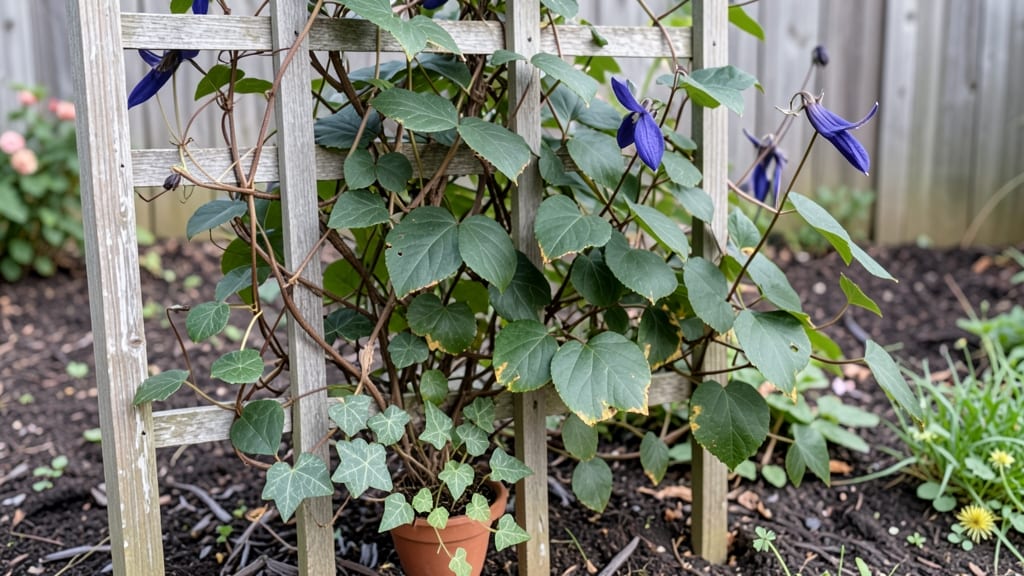
Evergreen trellis plants turn blank walls into lush, year-round privacy screens that need almost no upkeep. 🌿 I’ve covered my backyard fence with a mix of English ivy and climbing hydrangeas, and the difference is shocking—no more peeking neighbors, no more bare winter months.
The best part? These plants stay green through every season while growing fast enough to fill gaps in just a few months.
Start with 5-gallon pots of young plants spaced 3–4 feet apart along your trellis. Ivy climbs by clinging to surfaces, while hydrangeas need gentle ties at first. Both thrive in partial shade to full sun, so they fit almost any yard.
My setup uses a 6-foot-tall metal trellis, but even smaller structures work—just adjust spacing for smaller plants. The key is watering deeply once a week (more in summer) and avoiding heavy pruning until they’ve established.
By next spring, you’ll have a dense, fragrant green curtain that blooms in summer and stays vibrant through frost. The ivy adds texture, while hydrangeas bring bold flowers—no dead branches, no seasonal replacements.
Plus, birds and butterflies adore these plants, turning your trellis into a mini wildlife habitat. Ready to transform that empty space?
Works for cottage gardens (romantic vines), modern designs (structured growth), or tropical vibes (glossy leaves). Just pick your favorite evergreen climber and let it do the work!
📚 In This Guide
- What you need
- Instructions
- Tips and common mistakes
- Wrapping up and next steps
What you need
- ● Evergreen trellis plants: Choose 3–5 plants per linear foot (e.g., Climbing Hydrangea, Ivy, or Star Jasmine). Ensure they’re disease-resistant and suited to your climate zone.
- ● Trellis structure: Wooden lattice panels (4’x8’ sheets, pressure-treated for durability) – 1–2 panels per 10 linear feet.
- ● OR Metal/vinyl trellis kits (pre-assembled, 6–8 ft tall) – 1 kit per 5–6 ft of space.
- ● Stakes or posts: T-posts or wooden 4x4s (6 ft long) – 1 stake every 4–5 ft for stability.
- ● Garden twine or plant ties: Jute or plastic-coated twine (50–100 ft roll) for securing vines.
- ● Potting soil or garden soil: Well-draining mix (2–3 cubic yards for a 10-ft section).
- ● Mulch: Shredded bark or pine straw (1–2 bags per 10 ft) to retain moisture.
- ● Hand trowel or spade (for planting).
- ● Measuring tape (25+ ft for layout).
- ● Post hole digger or auger (for stakes).
- ● Hammer or mallet (for securing stakes).
- ● Pruning shears (for shaping plants).
- ● Gloves (gardening or work gloves).
- ● Watering can or hose (with spray nozzle).
- ● Drip irrigation system – Automates watering for busy gardeners.
- ● Fertilizer spikes (slow-release, 1–2 per plant) for extra nutrients.
- ● Solar-powered lights – Adds ambiance to your trellis at night.
- ● Plant food (liquid or granular) – Boosts growth during dry spells.
- ● Decorative accents – Climbing roses or ornamental grasses for variety.
How to select and install evergreen trellis plants for year-round privacy
Here's the straightforward approach I've used to create lush, low-maintenance privacy screens that stay green all winter.
🌿 Step 1: Choose the Right Evergreen Varieties for Your Climate
Start with 4 mature plants (or more for wider coverage) from these proven evergreen climbers: English ivy (Hedera helix), climbing euonymus (Euonymus fortunei), or star jasmine (Trachelospermum jasminoides). English ivy thrives in zones 4-9 with minimal care, while star jasmine prefers zones 7-11 and offers fragrant blooms in spring. Check your hardiness zone first—this determines which varieties will survive winter without browning.
Look for 3-4 foot tall nursery-grown plants with established root systems. These establish faster than smaller specimens. I always inspect the foliage for yellowing or sparse growth—those are signs of poor health that will translate to weak trellis coverage. Place your order early if you're in a cold zone, as some varieties sell out by early spring.
🪴 Step 2: Install Sturdy Trellis Structures Along Your Fence
Use 6-foot tall metal or wooden trellis panels spaced 4-5 feet apart along your fence line. I recommend powder-coated metal trellises because they resist rust and last decades with no maintenance. For wooden options, choose cedar or redwood—these naturally resist rot. Bury the support posts 12-18 inches deep or use concrete footings to prevent wind rock.
Install the trellis 12-18 inches away from the fence to allow airflow and prevent fungal diseases. The plants will naturally bridge the gap as they grow. I like to add horizontal crossbars every 2 feet for additional support—this creates more surface area for the vines to cling to. Use galvanized screws for all connections to prevent corrosion over time.
☀️ Step 3: Plant and Train Vines for Optimal Growth
Dig holes twice as wide as the root ball but no deeper. Mix the removed soil with 2 cups of compost per hole to improve drainage and nutrient availability. Position the plant so the top of the root ball sits 1 inch below soil level—this prevents stem rot from sitting water. Water deeply before backfilling to eliminate air pockets around the roots.
Attach the main stem to the trellis immediately using soft plant ties or jute twine. I avoid wire ties—they can girdle stems as plants grow. Train the primary vine upward along the center of the trellis, then weave secondary growth horizontally between crossbars. Prune any side shoots growing away from the structure to encourage upward growth. You'll see 6-12 inch new growth within 4-6 weeks if conditions are right.
✂️ Step 4: Maintain Through Seasons With Minimal Effort
Water newly planted vines twice weekly until established (about 6-8 weeks), then taper to once weekly during dry spells. Evergreens hate soggy roots, so always check the soil 2 inches down before watering—it should feel slightly dry. In winter, reduce watering to every 3-4 weeks unless you have unusually dry conditions.
Prune only when necessary: remove dead or crossing branches in early spring, and trim any growth that exceeds your desired height by 1/3 of its length. I never prune in fall—this encourages new growth that won't harden off before winter. Fertilize lightly in spring with 10-10-10 granular fertilizer spread around the base, then again in early summer. Too much nitrogen produces soft growth that struggles in winter winds.
⏰ Step 5: Winterize for Long-Term Health
Before the first hard freeze (below 25°F), apply 2-3 inches of mulch) around the base of each plant. I use shredded bark because it breaks down slowly and improves soil structure over time. This protects roots from temperature swings that cause winter damage. In coastal areas where freezing is rare, no special winter care is needed—these plants handle mild winters beautifully.
Check the trellis structures in late winter for any ice damage or loose connections. Tighten any wobbly parts and remove any dead vines that might harbor pests. The first signs of spring growth usually appear in late February or March, depending on your zone. You'll know your plants are healthy when they produce bright green new leaves along the entire length of the trellis by early summer.
Tips & tricks for perfect evergreen trellis privacy screens
Creating a lush, year-round privacy screen starts with the right approach—here's what I've learned from years of trial and error with evergreen climbers.
Climate Matching is Non-Negotiable: The hardiness zones matter more than you might think. English ivy thrives in zones 4-9, while star jasmine needs zones 7-11. I once planted ivy in zone 10 and watched it struggle through winter—don't make that mistake. Check your zone before purchasing, and consider adding a frost cloth for the first winter if you're on the edge of the recommended range. The last thing you want is brown, crispy foliage when you were hoping for year-round greenery.
Trellis Placement Secrets: That 12-18 inch gap between trellis and fence isn't just for looks—it's crucial for airflow that prevents fungal diseases like powdery mildew. I've seen too many installations where people crowd the trellis right against the fence, leading to soggy, diseased plants. Also, bury those support posts properly—12-18 inches deep prevents wind rock that can snap your trellis during storms. For extra security in windy areas, add diagonal bracing between posts.
Root Ball Positioning Technique: Placing the root ball just 1 inch below soil level (as specified) prevents stem rot from sitting water, but there's more to it. I've found that gently pressing the surrounding soil after planting helps eliminate air pockets that can strangle new roots. For extra insurance, mix a handful of mycorrhizal fungi into the backfill soil—this natural soil additive helps roots establish 30% faster by creating beneficial fungal networks.
Winter Mulching Upgrade: The 2-3 inches of shredded bark mulch recommended before winter is excellent, but here's the pro tip: Add a 2-inch layer of straw or leaves on top of the bark. This extra insulation creates a thermal blanket that protects roots from temperature swings that cause winter damage. In particularly cold zones, you can even mound soil around the base for additional protection, though this should be removed in spring once growth resumes.
Pro Tips for Evergreen Trellis Plants
- Creating a lush, year-round privacy screen starts with the right approach—here's what I've learned from years of trial and error with evergreen climbers.
- Climate Matching is Non-Negotiable: The hardiness zones matter more than you might think.
- Trellis Placement Secrets: That 12-18 inch gap between trellis and fence isn't just for looks—it's crucial for airflow that prevents fungal diseases like powdery mildew.
Frequently asked questions
Got questions about evergreen trellis plants? You’re not alone! Here are some of the most common queries—plus straightforward answers to help you plan like a pro.
What’s the best evergreen trellis plant for full sun exposure?
For full sun, English ivy (Hedera helix) or star jasmine (Trachelospermum jasminoides) are top picks. Both thrive in bright conditions and climb trellises effortlessly. If you need dense coverage, climbing hydrangea (Hydrangea petiolaris) is another stellar option—just ensure it gets at least 6 hours of direct sunlight daily.
How long does it take for an evergreen trellis plant to provide full coverage?
Most evergreen climbers take 1–3 years to fill out a trellis, depending on the variety and growing conditions. Fast growers like ivy or climbing roses can cover a 6-foot trellis in a single season with proper care, while slower varieties (e.g., wisteria) may need 2–3 years. Pro tip: Train vines early to encourage upward growth!
Can evergreen trellis plants handle cold winters or heavy rain?
Yes! Many evergreens, like English ivy or climbing heuchera, are hardy down to Zone 5 or lower. To protect against wind or ice, secure the trellis firmly and mulch the base. For tropical varieties (e.g., bougainvillea), bring potted plants indoors or wrap them in burlap during freezes. Heavy rain? Most climbers have self-cleaning leaves, but occasional pruning keeps them tidy.
What are some low-maintenance alternatives to traditional evergreen trellis plants?
If pruning isn’t your thing, try self-clinging plants like creeping fig (Ficus pumila) or Boston ivy (Parthenocissus tricuspidata). Both adhere to trellises without ties and require minimal trimming. For a no-fuss option, evergreen clematis (e.g., Clematis armandii) offers lush foliage with seasonal blooms—just water occasionally and let it grow wild!
Why is my evergreen trellis plant turning yellow or dropping leaves?
Yellowing leaves often signal overwatering or poor drainage. Check soil moisture—evergreens prefer it slightly dry between waterings. Dropping leaves could also mean root bound plants or nutrient deficiency (try a balanced fertilizer in spring). If pests like spider mites are present, hose down the foliage or use neem oil. Fix it fast: Trim affected areas to encourage new growth!
Wrapping up and next steps
Transforming your space with evergreen trellis plants is a game-changer for year-round privacy and beauty—without the hassle of constant pruning! 🌿 These resilient plants offer lush, green coverage while requiring minimal upkeep, making them perfect for busy gardeners or urban dwellers.
Whether you’re framing a patio, masking a fence, or adding vertical charm, the right trellis combo can turn any area into a serene retreat.
Ready to get started? Sketch your design, gather your materials, and plant with confidence! Your dream green oasis is just a few steps away—happy gardening! 🌱✨