
Diseases
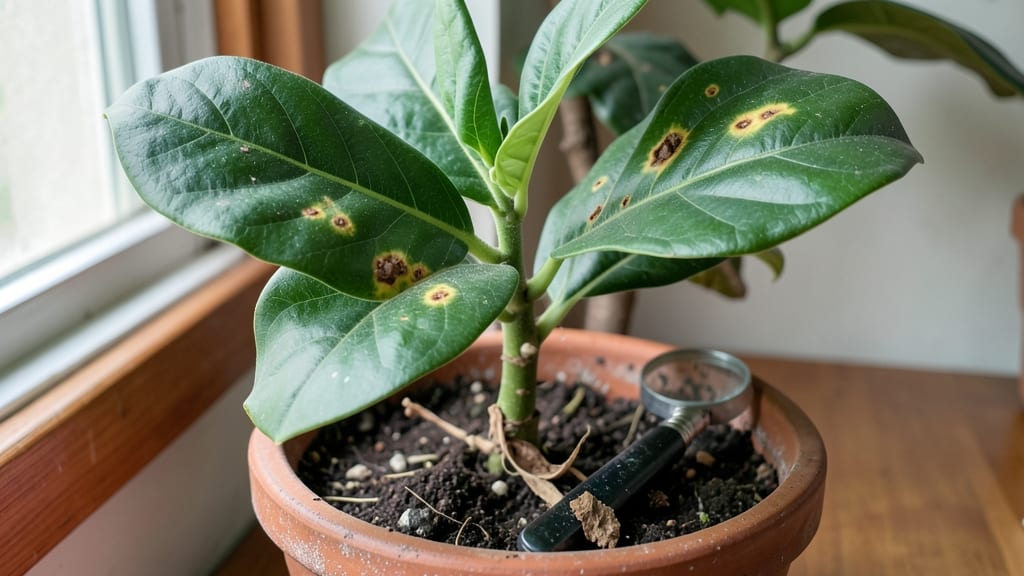
Ficus plant diseases can turn your lush houseplant into a sad, spotted mess—unless you catch them early. 🌿 I’ve nursed back more ficus trees than I’d like to admit, and the key is spotting the right symptoms before the damage spreads.
Yellowing leaves, black spots, or mushy stems? Those are red flags that need action.
Most problems start with overwatering or poor airflow, which invites fungal infections like root rot or leaf spot. Bacteria can also creep in through cuts or crowded leaves, turning your ficus into a disease magnet.
The good news? Many issues respond well to pruning, neem oil sprays, or adjusting your watering routine—no harsh chemicals required.
By the time you’re done treating, your ficus will bounce back with fresh, vibrant growth. You’ll learn to recognize early warning signs, fix the root causes, and keep your plant thriving for years. Let’s get those leaves healthy again—starting with the right diagnosis.
This works for common ficus varieties like rubber plants, fig trees, and fiddle-leaf figs, no matter your skill level. Once you master these fixes, your ficus will look like the star of the room again.
Root Causes of Ficus Woes
Ficus plants—like the beloved rubber plant (Ficus elastica) or weeping fig (Ficus benjamina)—can fall victim to diseases due to a mix of environmental stress, poor care, and microbial invaders.
Understanding why these issues arise is the first step to preventing them. Below, we break down the key triggers behind common ficus plant diseases, from fungal infections to bacterial rot, with science-backed explanations.
Ficus plants thrive in well-draining soil and moderate moisture, but overenthusiastic watering creates the perfect storm for disease. Here’s why:
- Oxygen Deprivation: Waterlogged roots can’t absorb oxygen, leading to root rot (often caused by Phytophthora fungi or Pythium).
Without oxygen, roots suffocate, becoming soft, mushy, and discolored (black or brown). - Fungal Feast: Excess moisture raises humidity around the roots, inviting fungal pathogens like Rhizoctonia or Fusarium.
These fungi thrive in soggy conditions, attacking weakened roots and spreading upward. - Bacterial Blooms: Warm, wet soil also encourages bacterial soft rot (Erwinia spp.), which breaks down plant tissues, releasing foul-smell compounds (think: rotting cabbage odor).
💡 Pro Tip: Stick your finger 2 inches into the soil—if it’s damp, wait to water. Ficus plants prefer slightly dry soil between waterings, especially in cooler months.
Ficus plants are tropical natives, but sudden temperature drops or high humidity without airflow create stress that opens the door to disease.
- Cold Stress: Temperatures below 55°F (13°C) slow metabolic processes, weakening the plant’s defenses.
Cold-damaged leaves become yellow or brown and brittle, making them easy targets for powdery mildew (Erysiphe spp.) or leaf spot fungi (Cercospora). - Stagnant Air: High humidity (above 60%) without circulation promotes fungal spores to germinate.
Poor airflow also delays drying, keeping leaves wet longer—ideal for anthracnose (Colletotrichum), which causes sunken, dark lesions. - Condensation Burn: If your ficus sits near a cold window, condensation can physically damage leaves, creating entry points for bacteria like Pseudomonas, leading to bacterial leaf spot.
✨ Fix It: Use a hygrometer to monitor humidity (aim for 40-50%). Add a small fan for airflow, and avoid placing ficus near drafts or AC vents.
Fungal diseases don’t just come from the soil—they hitch rides on air currents, tools, or even your hands. Here’s how spores turn harmful:
- Contaminated Tools: Pruning shears or repotting tools carry fungal spores from infected plants.
A single cut with dirty tools can introduce black spot (Alternaria) or sooty mold (which thrives on honeydew from pests). - Cross-Contamination: Placing a sick ficus near healthy ones spreads spores via airborne drift.
For example, powdery mildew spores can travel up to 10 feet in still air. - Organic Debris: Dead leaves or fallen mulch harbor dormant fungal spores. When conditions (like warmth + moisture) align, they reactivate and infect new growth.
🔥 Prevention Hack: Sterilize tools with 70% isopropyl alcohol before and after use. Remove fallen leaves promptly, and quarantine new plants for 2-4 weeks.
Pests like spider mites, mealybugs, or scale insects don’t just sap sap—they create wounds that invite secondary infections.
- Mealybug Honeydew: These pests excrete sticky honeydew, which attracts sooty mold (Capnodium fungi). The mold coats leaves, blocking sunlight and stunting growth. - Scale Insect Scars: As scale insects feed, they pierce plant tissues, leaving open wounds.
Bacteria like Xanthomonas exploit these to cause bacterial blight, turning leaves yellow with dark margins. - Mite Stress: Spider mites strip chlorophyll from leaves, weakening the plant’s immune response. Stressed ficus are 3x more susceptible to fungal leaf spots.
🎯 Solution: Isolate infested plants and treat with neem oil or insecticidal soap. Wipe leaves with a damp cloth to remove honeydew and reduce sooty mold risk.
Even the hardiest ficus plants falter when starved or overfed. Poor nutrition disrupts cellular function, making them vulnerable to disease.
- Nitrogen Deficiency: Yellowing leaves (chlorosis) signal a lack of nitrogen, weakening the plant’s cell walls. Weak walls = easier entry for fungal pathogens like Botrytis (gray mold). - Over-Fertilization: Excess salts from fertilizers burn roots, causing physiological stress.
Stressed roots can’t fend off root-invading fungi (Armillaria or Rosellinia). - Potassium Shortage: Low potassium leads to poor disease resistance. Symptoms include edge browning and stunted growth, making the plant an easy target for bacterial wilt (Ralstonia).
📊 Feed Smart: Use a balanced fertilizer (10-10-10) every 4-6 weeks in spring/summer. Flush soil annually with water to prevent salt buildup.
Accidental damage—like rough handling or improper pruning—creates open wounds that pathogens exploit.
- Crushed Leaves: Dropping a ficus or bumping it can bruise stems, providing entry for bacterial infections like Pectobacterium (which causes soft rot). - Pruning Cuts: Jagged cuts from dull shears don’t heal properly, leaving gaps for fungal spores to colonize.
Always prune with clean, sharp tools and seal cuts with cinnamon powder (a natural antifungal). - Transplant Shock: Repotting without root inspection can spread hidden rot. Infected roots introduce pathogens to fresh soil, accelerating disease spread.
🔪 Best Practices: Prune only when necessary, use sterile scissors, and water lightly for 7 days post-repotting to reduce stress.
Quick Fixes for Ficus Foes
When your ficus shows signs of stress—drooping leaves, unsightly spots, or wilting branches—acting fast can save the day. Below are targeted solutions for the most common fungal and bacterial threats, along with prevention tips to keep your plant thriving. Think of these as your ficus plant first-aid kit!
If your ficus’s roots smell foul, turn mushy, or the soil stays soggy, root rot is likely the culprit. Here’s how to revive it:
🔥 Step 1: Remove the Plant Gently
- Carefully lift the plant from its pot and shake off excess soil to inspect the roots.
- Use a sterilized knife (wipe with rubbing alcohol) to trim away black, mushy roots. Healthy roots are firm and white or light tan.
🍳 Step 2: Disinfect & Repot
- Rinse the remaining roots with hydrogen peroxide (3%) or a fungicide solution (like copper-based fungicide) to kill lingering pathogens.
- Let the roots air-dry for 30–60 minutes before repotting.
- Choose a new pot with drainage holes and fill it with a well-draining mix (e.g., cactus/succulent soil + perlite or orchid bark).
👨🍳 Step 3: Adjust Care Routine
- Water only when the top 1–2 inches of soil are dry. Stick your finger in the soil—if it’s damp, wait!
- Avoid placing the pot in a saucer with standing water.
- For severe cases, add mycorrhizal fungi to the soil to boost root health.
💡 Prevention Tips:
- Never let your ficus sit in wet soil. Overwatering is the #1 cause of root rot!
- Use pots with drainage holes and elevate them on saucers with pebbles (to catch excess water).
- Water in the morning so excess moisture evaporates during the day.
Brown or yellow spots with yellow halos? That’s leaf spot fungus—a common but treatable issue. Here’s how to stop it in its tracks:
⏰ Step 1: Isolate & Remove Infected Leaves
- Wear gloves and snip off spotted leaves with clean pruners (sterilize with rubbing alcohol).
- Dispose of infected leaves in the trash (not compost)—fungus spores can survive!
🔪 Step 2: Apply Fungicide
- Spray the plant (top and bottom of leaves) with a copper fungicide or a baking soda solution (1 tsp baking soda + 1 quart water + a drop of dish soap).
- Repeat every 7–10 days until new growth is spot-free.
🌡️ Step 3: Improve Airflow & Light
- Space plants apart to reduce humidity around leaves.
- Increase airflow with a small fan (on low) near the plant.
- Ensure it gets bright, indirect light (direct sun can stress the plant further).
✨ Prevention Tips:
- Water leaves early in the day so they dry quickly.
- Avoid overhead watering—use a watering can with a narrow spout or a drip irrigation system.
- Clean leaves regularly with a damp cloth to remove dust (which traps moisture).
Yellowing leaves with water-soaked spots that ooze? Bacterial blight is aggressive but manageable with quick action:
🔥 Step 1: Prune & Sterilize Tools
- Cut off infected leaves and stems (including ½ inch of healthy tissue below the spot).
- Sterilize pruners between cuts with bleach (1 part bleach to 10 parts water) or rubbing alcohol.
🍳 Step 2: Treat with Antibacterial Spray
- Mix a copper-based bactericide (like Copper Soap) or a hydrogen peroxide spray (3%).
- Spray the plant thoroughly, focusing on new growth areas.
- Repeat every 5–7 days for 2–3 weeks.
👨🍳 Step 3: Boost Plant Immunity
- Fertilize lightly with a balanced liquid fertilizer (e.g., 10-10-10) to encourage new growth.
- Reduce stress by ensuring consistent light and watering (don’t let soil dry out completely).
💡 Prevention Tips:
- Avoid wetting leaves when watering—aim for the soil instead.
- Quarantine new plants for 2–4 weeks before introducing them to your collection.
- Rotate your ficus regularly to ensure even light exposure (stress weakens defenses).
No matter the issue, these universal fixes can help your ficus bounce back:
- Boost humidity: Place the pot on a tray of pebbles with water (but not touching the pot) or use a humidifier nearby.
- Check for pests: Inspect leaves for spider mites or scale—treat with neem oil if found.
- Adjust light: If leaves are pale or leggy, move it closer to a bright window (but avoid harsh sunlight).
- Repot if needed: If roots are circling or the plant is top-heavy, repot into a slightly larger container with fresh soil.
With these fixes, your ficus should be back to its lush, leafy self in no time! Remember: prevention is key—consistent care keeps diseases at bay. 🌱
Frequently asked questions
Why are my ficus leaves turning yellow and dropping?
Yellowing and dropping leaves usually signal overwatering or root rot—common ficus issues. Check the soil moisture by sticking your finger 2 inches deep. If damp, reduce watering immediately and ensure the pot has drainage holes. Ficus plants prefer slightly dry soil between waterings, especially in cooler months.
How do I tell if my ficus has a fungal infection vs. bacterial infection?
Fungal infections often show as powdery white coatings (powdery mildew) or dark spots with yellow halos (leaf spot). Bacterial issues appear as water-soaked, oozing lesions that spread quickly. Fungi thrive in damp conditions while bacteria often need open wounds (like from pests or rough handling) to invade.
Can I save a ficus with root rot?
Yes, but act fast! Remove the plant, trim all black/mushy roots with sterilized scissors, and repot in fresh, well-draining soil. Water lightly only when the top 1-2 inches are dry. For severe cases, add mycorrhizal fungi to help roots recover. Prevention is key—never let your ficus sit in soggy soil.
What’s the best natural remedy for ficus leaf spots?
Try a baking soda spray (1 tsp baking soda + 1 quart water + a drop of dish soap) or neem oil solution (1 tsp neem oil + 1 quart water). Spray both sides of leaves every 7-10 days until new growth appears. Remove infected leaves immediately to stop spores from spreading.
How often should I clean my ficus leaves?
Wipe leaves with a damp microfiber cloth every 2-4 weeks to remove dust, which traps moisture and encourages fungal growth. Avoid harsh cleaners—just use water or a mild soap solution. Clean leaves also help your ficus absorb more light for stronger growth.