
Tools
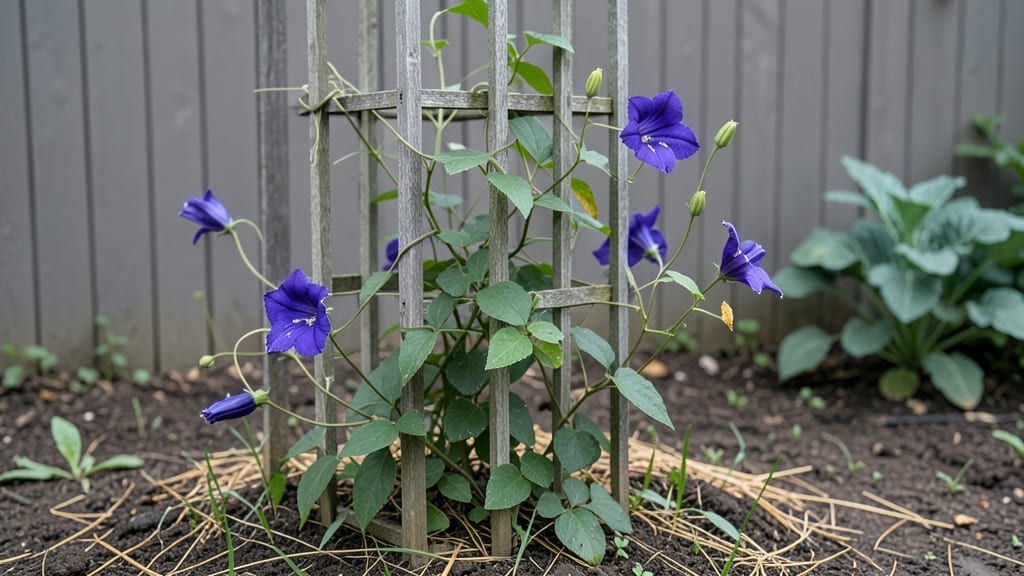
My favorite flowering trellis plants turn blank walls into lush, blooming canvases all season—no wasted vertical space. 🌿 I’ve tested everything from delicate morning glories to bold clematis, and these climbers don’t just look stunning; they grow fast, spread reliably, and pair beautifully with almost any garden style.
The key is matching their growth habits to your space—vines that scramble (like sweet peas) versus those that need sturdy support (like jasmine).
Start with three easy winners: clematis for dramatic height, morning glories for quick color, and sweet peas for early-season fragrance. All three thrive on simple trellises—no fancy structures needed—just a sturdy frame and regular watering.
The secret? Plant them near complementary shrubs or perennials to create layers of texture and color that last from spring through fall.
You’ll end up with a living tapestry that blooms continuously, attracts pollinators, and adds depth to your garden.
Imagine clematis in deep purple cascading over a fence while sweet peas spill from a wooden arbor in soft pink—it’s the kind of vertical drama that makes neighbors pause and ask for your secrets. The best part? These plants grow back every year with minimal effort.
Works for small patios, large backyards, or even urban balconies—just adjust the trellis size to fit. Here’s how to choose the right climbers for your space and style, plus pro tips to keep them thriving all season long.
📚 In This Guide
- What you need
- Instructions
- Tips and common mistakes
- Wrapping up and next steps
What you need
- ● Trellis Structure: 1-2 freestanding trellises (6–8 ft tall, 2–3 ft wide) or a wall-mounted trellis (adjustable height, 4–6 ft wide)
- ○ Optional: Wooden lattice panels (for DIY projects) or metal/powder-coated trellises (for durability)
- ● Flowering Vines: 3–5 fast-growing climbing plants (e.g., clematis, morning glories, sweet peas, or jasmine)
- ● Perennial options: Honeysuckle or climbing roses (for long-term beauty)
- ● Annuals: Black-eyed Susans or nasturtiums (for seasonal bursts of color)
- ● Soil & Containers: 1–2 self-watering planters (10–15 gallons each) or fabric grow bags (for drainage)
- ● High-quality potting mix (with perlite or vermiculite for aeration) – 1–2 cubic feet per plant
- ○ Optional: Slow-release fertilizer (e.g., 10-10-10 or organic compost)
- ● Basic Tools: 1 hand trowel (for planting)
- ● 1 pruning shears (for trimming vines)
- ● 1 measuring tape (to ensure proper spacing)
- ● 1 garden gloves (for comfort and protection)
- ● Supportive Extras: Garden twine or soft ties (to secure vines to the trellis)
- ● Mulch or landscape fabric (to retain moisture and suppress weeds)
- ○ Drip irrigation kit (for consistent watering, optional but helpful)
- ● A sunny or partially shaded spot (6+ hours of sunlight for most flowering vines)
- ● Access to a water source (hose or irrigation system)
- ○ Optional: A weather-resistant location (e.g., covered porch or balcony) to protect plants from harsh winds/rain
Step-by-step guide to choosing and planting flowering trellis plants
Here’s how to transform your space with climbing flowers that bloom all season.
🌱 Step 1: Select the Right Trellis Plants for Your Space
Start by picking flowering vines that thrive in your climate and light conditions. For full sun, try clematis or morning glories—they’ll explode with color all summer. If you have partial shade, consider sweet peas or climbing roses for delicate blooms. I always check the plant tag for mature height (some reach 10+ feet) and spread to ensure it fits your trellis.
Mix heights for visual interest: plant shorter varieties like sweet peas (3-6 feet) near the base of taller trellises, then add climbers like honeysuckle (6-10 feet) at the top. This creates layers of blooms as they mature. Avoid overcrowding—each plant needs 12-18 inches of space at the base to establish strong roots.
🪴 Step 2: Install a Sturdy Trellis in the Right Location
Choose a trellis made of metal, wood, or strong plastic—it needs to support the weight of blooms and vines, especially after rain. For a 4-foot trellis, bury the base 6-8 inches deep or anchor it with stakes to prevent tipping. I like to place mine where they’ll get 6+ hours of sun (check your yard’s sunlight patterns before planting).
Position the trellis near a fence or wall if possible—this gives vines something to grip early on while they establish roots. If freestanding, add cross supports for heavier climbers like wisteria. Space multiple trellises 3-4 feet apart to allow airflow, which prevents fungal diseases that love damp foliage.
☀️ Step 3: Plant and Train Vines for Maximum Blooms
Dig a hole twice as wide as the root ball but only as deep—planting too deep suffocates the stem. Loosen the roots gently if they’re circling, then place the plant so the top of the root ball sits 1 inch below soil level. This ensures stability while allowing flexibility for growth. Water deeply right after planting to settle the soil.
As soon as new growth appears (within 2-3 weeks), gently tie the main stem to the trellis with soft plant ties (never wire or twine—it cuts into stems). Train vines upward in a spiral or zigzag pattern to encourage even growth. For heavy bloomers like jasmine, add extra support ties every 6 inches once flowers start forming.
💧 Step 4: Water and Feed for Continuous Blooms
Water at the base deeply 2-3 times per week until the soil feels 6 inches down—most trellis plants hate soggy roots but need consistent moisture to produce flowers. I check by sticking my finger in; if it’s dry, water again. Mulch with 2-3 inches of shredded bark to retain moisture and suppress weeds (just keep it 2 inches away from the stem to prevent rot).
Feed with a balanced liquid fertilizer (10-10-10) every 4-6 weeks during the growing season. For extra blooms, switch to a high-phosphorus formula (5-10-5) when buds form. Deadhead spent flowers regularly—this redirects energy to new blooms instead of seed production. I snip just above a set of leaves to encourage bushier growth.
✂️ Step 5: Prune and Maintain for Next Year’s Beauty
In late fall, cut back dead or weak stems to the base, but leave 2-3 healthy canes for next season’s growth. For evergreen climbers like ivy, trim only to shape. In early spring, prune any crossing branches to improve airflow—this prevents mildew and keeps blooms abundant. I always sterilize my pruners with rubbing alcohol between cuts to avoid spreading disease.
Before winter, wrap young trellises in burlap if your climate drops below 20°F—this protects tender stems from freeze-thaw cycles. For perennial varieties, mulch heavily around the base to insulate roots. Mark your trellis location with stakes so you don’t accidentally disturb roots when digging in spring.
Tips & tricks for perfect flowering trellis plant gardens
These simple strategies will help you create a thriving vertical garden that brings color to your space all season long.
Plant Selection: When choosing plants, consider their mature size and growth habits. For example, clematis varieties can reach 10+ feet, while sweet peas typically stay between 3-6 feet. I always check the plant tag for specific light requirements—some clematis varieties need full sun, while others prefer partial shade. This ensures you're matching plants to their ideal growing conditions for maximum blooms.
Trellis Stability: Don't skimp on installation—especially for taller trellises. Bury the base 6-8 inches deep or use heavy-duty stakes to prevent tipping, particularly after rain when vines get heavy. I've seen trellises topple after just one storm when they weren't properly anchored. For heavy climbers like wisteria, add cross supports during installation to distribute weight evenly.
Training Technique: The key to strong vines is proper training in those first 2-3 weeks of growth. Use soft plant ties (never wire) and train vines in a spiral or zigzag pattern up the trellis. This creates a natural, even growth habit. For heavy bloomers like jasmine, I add extra support ties every 6 inches once flowers start forming to prevent sagging under the weight of blossoms.
Winter Protection: If your climate drops below 20°F, protect tender trellises with burlap wraps. I've learned this the hard way—last year's jasmine vines suffered freeze damage because I forgot to wrap them. For perennial varieties, add extra mulch around the base to insulate roots. Mark trellis locations with stakes so you don't accidentally disturb roots when digging in spring.
Pro Tips for Flowering Trellis Plants
- These simple strategies will help you create a thriving vertical garden that brings color to your space all season long.
- Plant Selection: When choosing plants, consider their mature size and growth habits.
- Trellis Stability: Don't skimp on installation—especially for taller trellises.
Frequently asked questions
Got questions about transforming your space with flowering trellis plants? You’re not alone! Here are answers to the most common queries to help you grow with confidence.
What’s the best time of year to plant flowering trellis climbers?
The ideal time depends on your climate. In mild zones, plant in early spring (6–8 weeks before the last frost) so roots establish before summer heat. In colder regions, wait until late spring after frost risk passes. For tropical varieties (like passionflower), plant in spring or early fall to avoid extreme heat.
How often should I water flowering trellis plants?
Newly planted trellis climbers need 1–1.5 inches of water per week, including rainfall. Deep watering 2–3 times weekly is better than shallow daily doses. Once established (after 6–12 months), most thrive on weekly watering, but drought-tolerant varieties (like clematis) may need less. Always check soil moisture—stick your finger 2 inches deep; if dry, water!
What if my trellis plant isn’t flowering? How do I fix it?
Flowering hiccups often stem from light, nutrients, or pruning. First, ensure it gets 6+ hours of sunlight daily (most flowering climbers are sun-lovers). Next, feed with a balanced fertilizer (10-10-10) in early spring. Over-pruning can also stunt blooms—prune only after flowering (or in late winter for spring bloomers). If using organic matter, add compost to the soil for a nutrient boost!
Can I grow flowering trellis plants in containers? What’s the best setup?
Choose large containers (15+ gallons) with drainage holes and a well-draining potting mix. Opt for compact varieties like morning glories or dwarf clematis. Add a trellis or obelisk inside the pot for support, and water and fertilize more frequently than ground plants. Rotate containers occasionally for even sunlight exposure.
Are flowering trellis plants prone to pests? How do I prevent damage?
Common pests include aphids, spider mites, and Japanese beetles. Prevent issues with neem oil sprays or companion planting (e.g., marigolds repel pests). For severe infestations, blast off pests with water or use insecticidal soap. Encourage beneficial insects like ladybugs by planting dill or fennel nearby. Regularly inspect leaves—early detection is key!
Wrapping up and next steps
Transforming your space with flowering trellis plants is a rewarding way to add vertical charm and seasonal beauty—without taking up precious ground space! 🌸 Whether you’re a beginner or a seasoned gardener, these plants offer easy elegance and long-lasting color with minimal effort.
The key? Choosing the right varieties, providing sturdy support, and giving them love (and a little pruning) to thrive.
Ready to dive in? Start small—pick one or two trellis plants to test your setup, then expand your vertical garden as you gain confidence. Your garden (and your neighbors!) will thank you for the show-stopping results. Happy gardening! 🌿✨