
Planting
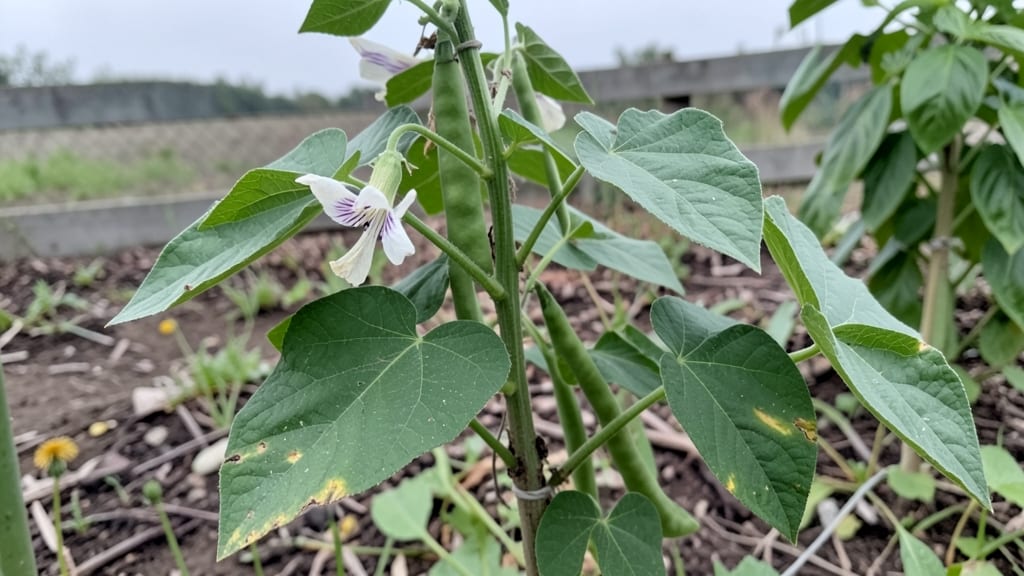
The French beans plant thriving in my sunny backyard taught me that the right spot and a little patience turn a handful of seeds into a harvest that feeds the family for weeks. The key isn’t fancy equipment—it’s matching their needs to what your garden naturally offers.
Most people overlook how much sunlight and soil warmth actually matter, but I’ve found that even beginners can get reliable results with just a few simple adjustments.
You’ll need a spot that gets at least 6-8 hours of direct sun daily, well-draining soil enriched with compost, and either a sturdy trellis for pole beans or plenty of space for bush varieties.
My first attempt with store-bought soil failed until I mixed in aged compost—now my plants thrive and produce pods that stay tender longer. The difference between a struggling plant and a productive one often comes down to these basics.
By mid-summer, you’ll be harvesting crisp, flavorful beans that outperform anything from the grocery store. The plants keep producing for 6-8 weeks if you pick regularly and avoid overwatering. My favorite part? How easy it is to grow them organically—just skip synthetic fertilizers and focus on mulching to retain moisture.
This method works for both pole beans (which climb) and bush beans (which stay compact).
Perfect for small gardens, containers, or even urban balconies with the right setup. Once you master the basics, you can experiment with heirloom varieties and extend your harvest into fall. Let’s get those seeds in the ground!
📚 In This Guide
- What you need
- Instructions
- Tips and common mistakes
- Wrapping up and next steps
What you need
- ● Seeds: 50–100 French bean seeds (choose bush or pole varieties based on space).
- ● Containers or Garden Bed: For containers: 5–10 gallon pots (1–2 plants per pot) with drainage holes.
- ● For in-ground planting: Well-draining soil, 18–24 inches deep and 12–18 inches wide per plant.
- ● Soil: 1–2 bags of light, fertile potting mix or garden soil amended with compost (pH 6.0–7.0).
- ● Sunlight: Full sun (6–8 hours daily).
- ● Water: Consistent moisture (1–1.5 gallons per plant weekly).
- ● Fertilizer: Balanced 10-10-10 NPK or organic compost (apply at planting and mid-season).
- ● Gloves & Hand Trowel (for planting and soil prep).
- ● Trellis or Stakes (for pole varieties, 5–6 feet tall).
- ● Mulch (straw or shredded leaves to retain moisture).
- ○ Pest Control: Neem oil or insecticidal soap (optional but helpful for aphids).
- ● Pruning Shears (to trim dead leaves or encourage bushier growth).
Step-by-Step instructions for planting French beans in sunny spots
Here's how to grow lush, productive French bean plants that thrive in warm, sunny conditions.
Prepare the Planting Site for Optimal Growth
French beans love warmth and sun, so choose a spot that gets at least 6-8 hours of direct sunlight daily. Work the soil to a depth of 12 inches, breaking up any clumps and removing rocks or debris. Beans prefer well-draining soil with a slightly acidic to neutral pH (around 6.0-7.0). If your soil is heavy clay, mix in 2-3 inches of compost to improve drainage and fertility.
Here's the thing—beans fix nitrogen in the soil, so avoid planting them where legumes like peas or clover have grown recently. Instead, choose a spot where tomatoes, peppers, or other heavy feeders grew last year. This ensures your beans get the nutrients they need without competing with leftover nitrogen.
Plant Seeds at the Right Depth and Spacing
French bean seeds are large and easy to handle. Plant them 1 inch deep and 3-4 inches apart in rows that are 18-24 inches apart. If you're growing bush beans, you can plant them closer together—about 2-3 inches apart—since they won’t climb. For pole beans, space seeds 4-6 inches apart along a trellis or support structure.
Don’t overcrowd the seeds, or you’ll end up with weak, spindly plants that produce fewer beans. I like to plant in small groups of 3-5 seeds every 12 inches along the row, then thin to the strongest seedling once they sprout. This gives you a more even harvest and reduces competition for nutrients.
Provide Consistent Water and Mulch for Strong Growth
Water the soil thoroughly after planting to settle it around the seeds. Keep the soil evenly moist but not soggy—beans hate sitting in waterlogged conditions. Aim to water 1 inch per week, adjusting for rainfall. Once the plants are established (about 2-3 weeks after germination), water deeply 2-3 times per week, focusing on the base of the plant to avoid wetting the leaves.
Spread a 2-inch layer of organic mulch around the base of the plants to retain moisture and suppress weeds. Straw or shredded leaves work well, but avoid mulching too close to the stems—leave a 2-inch gap to prevent rot. Mulching also keeps the soil temperature stable, which is especially helpful in hot climates where beans can struggle.
Support Pole Beans and Monitor for Pests
If you’re growing pole beans, install trellises, stakes, or cages before the plants get too tall. I use bamboo stakes tied together with twine to create a simple trellis. As the vines grow, gently guide them upward and secure them with soft ties or twine. This keeps the plants upright, improves air circulation, and makes harvesting easier.
Watch for common bean pests like Mexican bean beetles, aphids, or spider mites. You’ll notice these as small holes in leaves, sticky residue (honeydew), or fine webbing. If you spot pests early, spray the plants with a strong stream of water to knock them off. For severe infestations, use an organic insecticidal soap or neem oil, following the label instructions carefully.
Harvest at Peak Maturity for Best Flavor
French beans are ready to harvest when they’re 4-6 inches long and the pods are firm but still tender. Check plants every 2-3 days during peak production to encourage more beans to form. Use a sharp knife or pruners to cut the pods just above the pod attachment point—this prevents damage to the plant.
Here’s the secret to a continuous harvest: pick consistently. The more you harvest, the more your plants will produce. If you let beans get too large or dry out on the vine, the plant will shift its energy to seed production instead of new pods. Aim to harvest every 2-3 days during the peak season, and you’ll enjoy a steady supply of fresh beans all summer long.
Tips & tricks for perfect French bean planting in sunny spots
Growing French beans successfully comes down to a few key tricks that make all the difference between a mediocre harvest and a garden full of productive plants.
Soil Preparation Tip: When working the soil to a depth of 12 inches in Step 1, take an extra moment to check for hidden rocks or buried debris that could disrupt root growth. I like to use a garden fork to gently loosen the soil without compacting it—this creates ideal conditions for those deep bean roots to establish. If your soil feels too dense, mix in an additional inch of compost beyond the recommended 2-3 inches to give your beans a real growth boost.
Planting Strategy: In Step 2, I've found that planting in small groups of 3-5 seeds every 12 inches along the row creates a natural spacing system. After germination, you can easily identify the strongest seedling and remove the others without disturbing the roots of the remaining plants. This method also makes it simpler to monitor each plant's progress and address any early signs of stress or pest activity.
Watering Wisdom: The 1 inch per week watering guideline in Step 3 works well, but I've learned to adjust based on actual rainfall. After planting, I always do a thorough watering to settle the soil, then let the top inch dry out slightly before watering again. This prevents waterlogged conditions while ensuring consistent moisture. For container-grown beans, I water more frequently—every other day—since pots dry out faster than garden soil.
Harvesting Hack: When harvesting in Step 5, I've discovered that using small garden shears instead of a knife makes the process faster and cleaner. Cutting just above the pod attachment point prevents damage to the plant while also making it easier to spot new bean growth developing. I also like to harvest in the morning when the pods are most tender and the plants are fully hydrated from overnight watering.
Pro Tips for French Beans Plant
- Growing French beans successfully comes down to a few key tricks that make all the difference between a mediocre harvest and a garden full of productive plants.
- Soil Preparation Tip: When working the soil to a depth of 12 inches in Step 1, take an extra moment to check for hidden rocks or buried debris that could disrupt root growth.
- Planting Strategy: In Step 2, I've found that planting in small groups of 3-5 seeds every 12 inches along the row creates a natural spacing system.
Frequently asked questions
Got questions about growing your own french beans plant? You’re not alone! Here are some of the most common queries—and their practical answers—to help you cultivate a thriving harvest.
How long does it take for french beans to grow from seed to harvest?
French beans are fast growers! With the right conditions (warm soil, consistent moisture, and full sun), you can expect to harvest tender pods in just 50–60 days from planting. Pole beans may take slightly longer (up to 70 days) but produce more over time. Pro tip: Plant seeds 1–2 inches deep and thin seedlings to 3–4 inches apart for optimal growth.
What’s the best temperature for growing french beans?
French beans are warm-weather lovers! Ideal soil temperatures range between 60–90°F (15–32°C). Seeds won’t sprout well below 50°F (10°C), so wait until all frost risk has passed in spring. For fall planting, aim for harvests before the first frost. Troubleshooting: If nights dip below 50°F (10°C), use row covers to protect young plants.
Can I grow french beans in containers? What’s the best pot size?
French beans thrive in containers, making them perfect for balconies or small spaces. Use pots at least 12–18 inches deep (deeper for pole beans) with drainage holes. For bush beans, 1–2 plants per container works well; pole beans need a trellis or stake for support. Ensure pots get 6+ hours of sunlight daily and water consistently—they dry out faster in containers.
Why are my french bean leaves turning yellow? How do I fix it?
Yellowing leaves are often a sign of overwatering, nutrient deficiency, or pests. Check these fixes:
- Overwatering: Let soil dry slightly between waterings; beans hate soggy roots.
- Nitrogen deficiency: Feed with a balanced fertilizer (10-10-10) or compost.
- Pests (aphids, spider mites): Spray with neem oil or insecticidal soap.
- Fungal issues: Improve airflow by spacing plants properly.
Are there any companion plants that help french beans grow better?
Yes! French beans benefit from these plant pals:
- Corn (provides shade and support for pole beans).
- Cucumbers (repel pests like bean beetles).
- Marigolds (deter nematodes and aphids).
- Avoid planting near: Fennel, onions, or garlic (they stunt growth).
Wrapping up and next steps
Growing a thriving French beans plant is totally within your reach—just follow the sunny-spot secrets we’ve shared! With the right soil, spacing, and care, you’ll soon be harvesting crisp, flavorful pods that’ll make your garden (and your plate) shine. 🌱
Ready to take the next step? Start small—plant a few seeds or seedlings this weekend—and watch your green thumb grow! Happy gardening, and here’s to your future bountiful harvests! 🌟