
Companion Plants
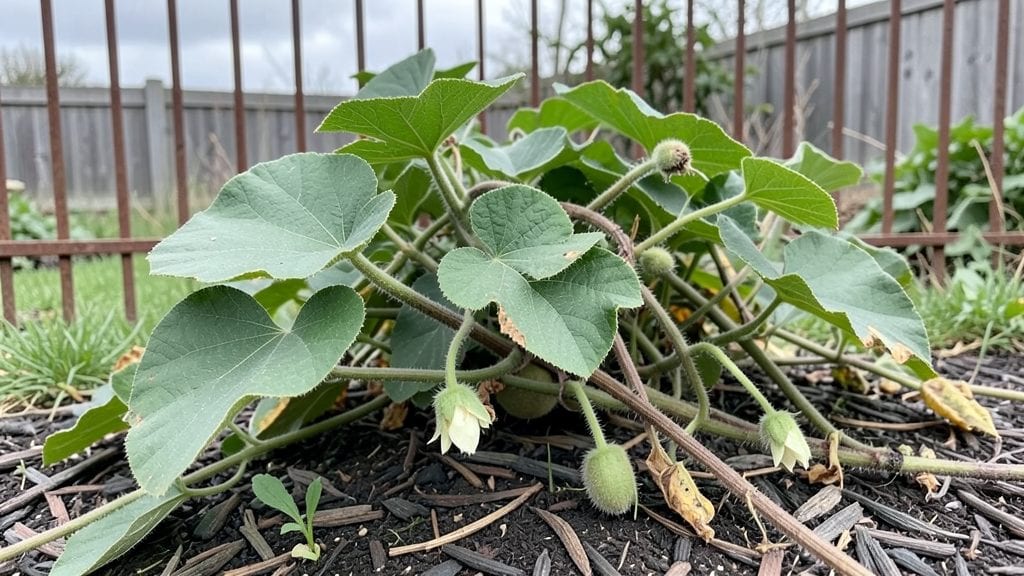
Growing fuzzy kiwi plants in containers feels like bringing a slice of the tropics to your patio. I’ve watched mine climb trellises with velvety leaves and tiny, edible fruits—something that would freeze solid in most winters if left in the ground.
The secret isn’t complicated: these hardy vines just need the right balance of sunlight, soil, and a little patience.
You’ll need a 5-gallon container minimum for the first year, well-draining potting mix, and a sturdy trellis or fence for support. Fuzzy kiwis thrive in morning sun and afternoon shade, making them perfect for balconies or covered patios.
Unlike their hardy kiwi cousins (Actinidia deliciosa), these don’t need separate male and female plants—they’re self-fertile, so you’ll get fruit without the hassle of pollination partners.
By late summer, you’ll be harvesting grape-sized, golden fruits that taste like a cross between banana and strawberry. The plants stay compact enough for containers but produce enough fruit to share with neighbors.
Prune in early spring to shape the vine and remove dead growth, and you’ll have a low-maintenance, high-reward addition to your garden.
Works in zones 4-9, so even cooler climates can grow them in pots and overwinter indoors. Here’s how to keep them thriving all season long.
📚 In This Guide
- What you need
- Instructions
- Tips and common mistakes
- Wrapping up and next steps
What you need
- ● Fuzzy kiwi plant – Start with a female plant (for fruit) or a male (for pollination if growing both). Choose a healthy, disease-free 1- to 2-year-old plant from a reputable nursery.
- ● Large container – A 15- to 20-gallon pot with drainage holes (minimum 18" diameter for mature plants). Terracotta or fabric pots work well.
- ● High-quality potting mix – A well-draining blend like 60% peat/coir, 30% perlite/pumice, and 10% compost (avoid garden soil—it compacts!).
- ● Slow-release fertilizer – A balanced 10-10-10 or organic option (like fish emulsion or worm castings) to feed roots over time.
- ● Support structure – A 5- to 6-foot trellis or sturdy bamboo stakes (kiwis are vigorous climbers!).
- ● Mulch – 2-3 inches of shredded bark or straw to retain moisture and regulate soil temp.
- ● Pruning shears – For trimming dead or overgrown vines (sterilize with rubbing alcohol!).
- ● pH test kit – Ensure soil stays in the 6.0–6.5 range (kiwis prefer slightly acidic soil).
- ● Spray bottle – For gentle misting (kiwi leaves love humidity!).
- ● Drip irrigation or watering can – Deep watering 1–2x/week (containers dry fast!).
- ○ Optional but helpful: Mycorrhizal fungi powder – Boosts root health in containers.
- ● Copper tape – Deters slugs/snails (common pests!).
- ● Grow lights – If indoors (12+ hours of bright light/day).
- ● Climate – Hardy kiwi thrives in USDA Zones 4–8 (outdoor) or 60–75°F indoors.
- ● Sunlight – Full sun (6+ hours/day) for fruiting; partial shade in hot climates.
- ● Patience – Plants take 2–3 years to bear fruit (but vines grow 10+ feet/year!).
Step-by-step instructions for cultivating fuzzy kiwi in containers
Transform your patio into a lush tropical retreat with these hardy, vine-loving plants.
Select the Right Containers and Drainage
Fuzzy kiwi vines thrive in 5-gallon containers with multiple drainage holes—this prevents root rot, their biggest enemy. I recommend terracotta pots because they breathe, allowing excess moisture to evaporate through the walls. If your chosen container lacks drainage, drill ¼-inch holes along the bottom and cover them with landscape fabric to keep soil in place.
Position the pot on elevated feet or a saucer to ensure water drains away completely. The roots despise soggy conditions, so proper drainage is non-negotiable. Choose a container with a minimum 12-inch diameter to accommodate the sprawling growth habit of these vines.
Prepare a Well-Draining, Nutrient-Rich Soil Mix
Fuzzy kiwi prefers loose, airy soil that mimics its native forest floor. Combine equal parts potting mix, perlite, and compost to create a blend that drains quickly but retains moisture. I avoid garden soil—it compacts too easily and suffocates roots. Fill the container to 1 inch below the rim, leaving room for watering.
Before planting, moisten the mix until it’s evenly damp but not saturated. Press lightly to eliminate air pockets, but don’t compact it—kiwi roots need space to expand. A slow-release fertilizer (like 10-10-10) mixed into the soil provides steady nutrition without burning tender roots.
Plant and Train the Vine for Optimal Growth
Place your bare-root fuzzy kiwi plant in the center of the container, spreading the roots gently downward. Cover them with soil, leaving the root crown slightly above the surface—burying it too deep invites rot. Water deeply to settle the soil around the roots, ensuring no air gaps remain.
Install a strong trellis or obelisk immediately—kiwi vines grow 15-20 feet annually and need support. Secure the main stem with soft plant ties to guide it upward. Prune any side shoots that emerge early to encourage a single, strong leader. This prevents a tangled mess and directs energy into upward growth.
Provide Bright, Indirect Light and Consistent Moisture
Fuzzy kiwi thrives in morning sun with afternoon shade, especially in hot climates. A south-facing window works well, but direct afternoon rays can scorch leaves. If growing indoors, supplement with a grow light for 12-14 hours daily. Watch for yellowing leaves—a sign of too much sun or overwatering.
Water when the top 2 inches of soil feel dry, aiming for deep, thorough soakings rather than frequent shallow waterings. Let excess water drain completely before adding more—kiwi roots rot in soggy conditions. During peak summer, I water every 2-3 days, adjusting for humidity and temperature.
Fertilize and Prune for a Healthy, Productive Vine
Feed your kiwi vine monthly during spring and summer with a balanced liquid fertilizer (like 5-5-5). Reduce feeding in fall and winter—these plants enter dormancy when temperatures drop below 50°F. I also sprinkle compost tea around the base every 6 weeks for a natural nutrient boost.
Prune in late winter or early spring to shape the vine and encourage fruiting. Remove dead or crossing branches, then trim back any excessive growth to ⅓ of its length. This stimulates bushier growth and improves air circulation, reducing disease risk. Harvest fruits when they’re fully plump and slightly soft—typically late summer to fall.
Tips & tricks for perfect fuzzy kiwi cultivation
Transforming your patio into a thriving fuzzy kiwi haven takes attention to detail—here are the game-changing strategies that prevent common pitfalls and maximize your vine's potential.
Container Selection Matters: While 5-gallon terracotta pots are ideal, consider adding extra drainage holes if using plastic containers—they trap moisture. I've found that positioning containers on elevated feet or saucers creates a crucial air gap that prevents root rot. For outdoor setups, choose containers with wheels or handles to easily relocate them as sunlight patterns change throughout the day.
Soil Mix Secrets: The equal parts potting mix, perlite, and compost blend is non-negotiable, but don't skip the slow-release fertilizer—it provides consistent nutrition without the risk of over-fertilizing. For an extra boost, mix in 1/4 cup of worm castings per container before planting. This creates a microbial-rich environment that helps roots establish faster. When pressing the soil mix, aim for gentle firmness—think "cloud-like" rather than compacted.
Pruning Strategy: The late winter/early spring pruning window is critical, but timing matters even more than you might think. Look for dormant buds along the stems—these indicate where new growth will emerge. When trimming back to ⅓ of its length, make cuts just above these buds at a 45-degree angle to prevent water pooling. This technique promotes bushier growth and improves air circulation, which is especially important for container-grown plants.
Light Management: The 12-14 hours of daily grow light requirement is strict—any less and your vine will become leggy, any more and you risk burning tender leaves. Position grow lights 12-18 inches above the plant and adjust height as the vine grows. For indoor setups, rotate the container quarter-turn daily to ensure even light exposure all around. Watch for yellowing leaves on the underside—this is your first warning sign of insufficient light.
Pro Tips for Fuzzy Kiwi Plants
- Transforming your patio into a thriving fuzzy kiwi haven takes attention to detail—here are the game-changing strategies that prevent common pitfalls and maximize your vine's potential.
- Container Selection Matters: While 5-gallon terracotta pots are ideal, consider adding extra drainage holes if using plastic containers—they trap moisture.
- Soil Mix Secrets: The equal parts potting mix, perlite, and compost blend is non-negotiable, but don't skip the slow-release fertilizer—it provides consistent nutrition without the risk of over-fertilizing.
Frequently asked questions
Got questions about growing fuzzy kiwi plants? You’re not alone! Here are answers to the most common queries to help you cultivate this tropical beauty with confidence.
How fast do fuzzy kiwi plants grow, and when can I expect fruit?
Fuzzy kiwi vines (Actinidia arguta) are fast growers—expect 10–20 feet per year in ideal conditions! However, fruiting takes patience: 2–3 years for female plants to bear fruit after flowering. Male plants (needed for pollination) may take slightly longer. Choose dwarf varieties if space is limited—they’re just as productive!
Can fuzzy kiwi plants survive winter in containers?
Yes, but they need protection! Move potted fuzzy kiwis to a cool, dark place (like a garage) when temps drop below 20°F (-7°C). Mulch the pot heavily and wrap it in burlap or frost cloth. If you’re in Zone 5 or colder, consider overwintering indoors near a sunny window. Resume outdoor growth in spring once frost risk passes.
Do fuzzy kiwi plants need a trellis, or can they grow as a bush?
While they can grow as sprawling shrubs, a trellis or arbor is ideal! It encourages better air circulation (reducing disease risk), makes harvesting easier, and keeps vines manageable. For a bushy look, prune aggressively in late winter, but expect smaller fruit yields compared to trained vines. A 4–6 foot tall trellis works well for containers.
What pests or diseases should I watch for with fuzzy kiwi plants?
Fuzzy kiwis are generally hardy, but keep an eye out for:
- Spider mites: Tiny webs on leaves? Spray with neem oil or water the plant to boost humidity.
- Powdery mildew: White residue on leaves? Improve airflow and apply baking soda spray (1 tsp baking soda + 1 quart water + a drop of soap).
- Aphids: Clustered on new growth? Blast off with water or use insecticidal soap.
Are there fuzzy kiwi varieties better suited for containers?
Look for compact or dwarf varieties like:
- ‘Issai’: Self-pollinating (no male plant needed!) and stays under 10 feet.
- ‘Ken’s Red’: Cold-hardy and produces sweet, red-skinned fruit.
- ‘Jenny’: Disease-resistant and ideal for small spaces.
Wrapping up and next steps
Growing fuzzy kiwi plants in containers isn’t just possible—it’s a rewarding way to bring a touch of the tropics to your space! 🌿 With the right care, these vines can flourish, offering lush foliage and even delicious fruit if given enough love.
Whether you’re a beginner or a seasoned gardener, their adaptability makes them a fantastic choice for container gardening.
Ready to take the next step? Start by selecting a healthy plant, ensuring proper support, and keeping an eye on its needs. Watch your fuzzy kiwi vine grow into a stunning, low-maintenance centerpiece! Happy gardening! 🌱