
Companion Plants
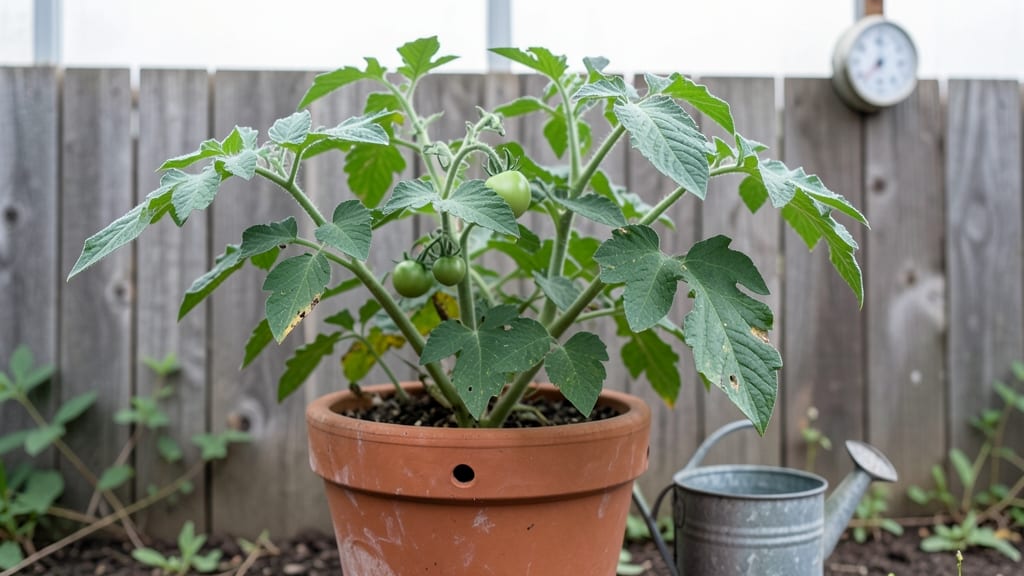
Ensuring greenhouse plants safety requires selecting pet-friendly and non-toxic varieties such as spider plants, African violets, or Boston ferns, while avoiding dangerous species like dieffenbachia, sago palms, or oleander. Always verify plant toxicity before placing them in enclosed spaces where children or pets spend time.
Keeping your greenhouse safe starts with understanding how plant toxicity works.
Many common greenhouse plants release irritating sap or airborne particles that can cause skin rashes, digestive issues, or even respiratory distress when inhaled in confined spaces. 🌿 For example, dieffenbachia contains calcium oxalate crystals that cause painful mouth swelling if chewed, while sago palms release toxins that can damage livers if ingested.
The enclosed greenhouse environment makes these risks even more dangerous, as fumes and particles circulate without fresh air dilution.
To create a safer space, prioritize plants known for their non-toxic profiles. Spider plants and Boston ferns are excellent choices—they thrive in greenhouse conditions while being completely safe for curious pets or small children.
Always double-check plant databases like the ASPCA's toxicity list before purchasing, as some "safe" labels can be misleading. 💫 Consider adding air purifying plants like peace lilies (when pet-free) to further improve air quality while maintaining safety.
💡 In This Article
- How Toxic Greenhouse Plants Affect Health
- Safe Greenhouse Plant Alternatives for Families and Pets
How toxic greenhouse plants affect health
Toxic greenhouse plants primarily affect health through three key mechanisms: skin contact, ingestion, and inhalation. The enclosed greenhouse environment amplifies risks by trapping volatile organic compounds (VOCs) and particles that would otherwise disperse outdoors.
For instance, plants like philodendron release calcium oxalate crystals in their sap, which cause immediate burning sensations and swelling when they touch skin or mucous membranes. The greenhouse's lack of airflow means these irritants linger longer, increasing exposure time. 🔥
Ingestion poses the most severe threat, especially for pets and children. Sago palms, for example, contain cycasin—a toxin that damages the liver and can be fatal in doses as small as 0.1% of a pet's body weight.
The greenhouse's controlled humidity (often 60-80%) accelerates toxin absorption through plant tissues, making leaves and stems more potent than in drier conditions. Even small chews can trigger symptoms like vomiting, drooling, or difficulty swallowing within 6-12 hours.
Inhalation risks stem from airborne particles and volatile compounds. Oleander, a popular greenhouse ornamental, releases cardiac glycosides that can cause respiratory distress when inhaled as fine dust. The greenhouse's recirculated air system concentrates these particles, leading to symptoms like coughing, wheezing, or even cardiac irregularities in sensitive individuals.
Unlike outdoor settings where wind disperses toxins, greenhouse air remains stagnant, turning a single plant's emissions into a persistent hazard. ✨
Symptoms vary by exposure type: skin contact causes redness and blistering (e.g., from poinsettia sap), ingestion leads to gastrointestinal distress (e.g., from lily pollen), and inhalation triggers respiratory issues (e.g., from eucalyptus oils).
The greenhouse's warm, humid conditions (ideal for plant growth) also create perfect conditions for mold and mildew growth on toxic plants, further exacerbating airborne risks. Always monitor humidity levels below 70% to mitigate these dangers.
Here's what happens when toxins interact with the body:
- Calcium oxalate crystals: Bind to oral tissues, causing pain and swelling within 5-30 minutes of contact
- Cardiac glycosides: Disrupt heart rhythm by inhibiting sodium-potassium pumps in cells
- Volatile oils: Irritate lung tissue, triggering inflammation similar to chemical exposure
The greenhouse's glass walls also create a magnifying effect—sunlight intensifies phototoxic reactions in some plants (like certain ferns), while the lack of natural ventilation prevents toxin dilution. For example, a single dieffenbachia plant in a 10'x10' greenhouse can maintain dangerous calcium oxalate levels in the air for 24+ hours without proper ventilation. 💫
To minimize risks, maintain 10+ air exchanges per hour using exhaust fans and avoid placing toxic plants near seating or work areas.
Even "safe" plants can cause issues if overwatered—root rot in peace lilies releases hydrogen sulfide gas, which smells like rotten eggs and can cause headaches at concentrations as low as 0.0005% in air.