
Plants
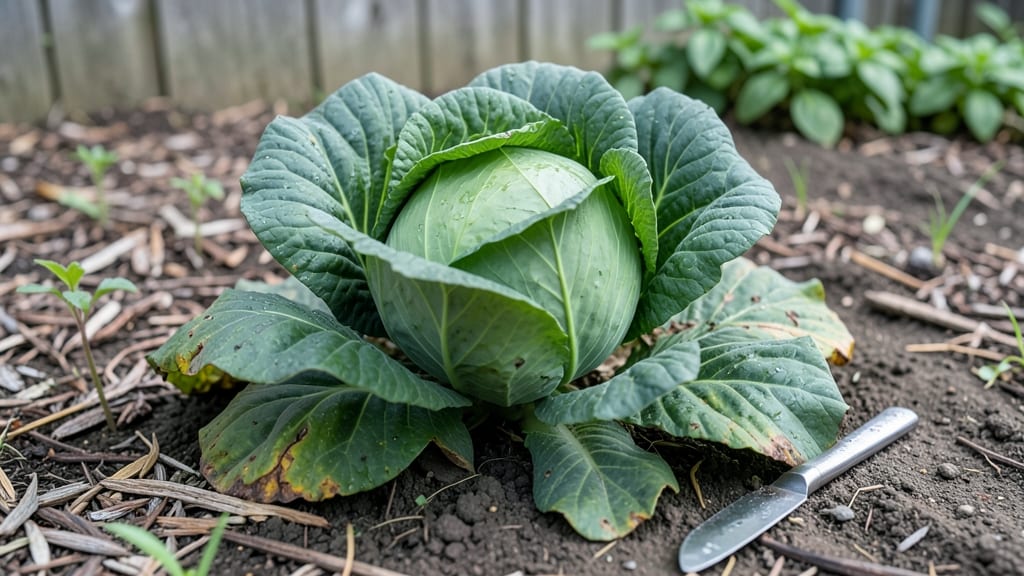
Harvesting cabbage plants at the right time ensures sweet, crisp heads that store beautifully—whether you're saving them for winter or enjoying them fresh.
Cabbage plants can be a gardener’s pride—until you miss the perfect harvest window, leaving you with bitter leaves or poor storage potential. Timing and technique are everything when it comes to harvesting cabbage for long-lasting freshness, whether you’re storing it in the fridge or preserving it for winter.
Knowing when to pick your 🥬 cabbage isn’t just about size—it’s about firmness, leaf color, and even the season. A head that’s too loose or splitting means you waited too long, while harvesting too early leaves you with small, underdeveloped cabbages that won’t keep well.
In this guide, I’ll walk you through the exact signs your cabbage is ready, the best way to cut (or pull) it without damage, and how to store it for maximum freshness—so you can enjoy homegrown cabbage all season long.

When to harvest cabbage for optimal flavor and storage life
Harvesting cabbage at the right moment ensures sweet, crisp heads that store well for weeks. Miss the window, though, and you’ll end up with bitter, loose leaves or heads that split open.
The key lies in watching for three critical indicators: head firmness, leaf color, and stem thickness. These signs tell you exactly when to grab your sharp knife and get to work.
First, pay attention to the head size—it should be 6-8 inches in diameter for most varieties. Smaller heads often mean the cabbage is still maturing, while oversized ones may start to split or bolt in heat.
I’ve learned the hard way that waiting too long can turn a perfect harvest into a sad, wilted mess. The outer leaves should also be tightly wrapped around the core, signaling the head is fully formed.
Now, let’s talk about color—this is where many gardeners trip up. A solid, vibrant hue (green, purple, or white) means your cabbage is ready. If the leaves are yellowing or pale, it’s a sign of stress, often from overwatering or nutrient deficiency.
I once grew a batch of cabbage that turned a sad, mottled green because I didn’t notice the nutrient imbalance until it was too late. Always check the inner leaves for consistent color.
Don’t forget to squeeze the head gently—it should feel firm and dense, like a tightly packed ball. If it feels soft or spongy, the cabbage is past its prime. I use this trick every year, and it’s saved me from harvesting mushy cabbage that wouldn’t store well.
The stem diameter is another clue: aim for 2-3 inches thick at the base. A thinner stem often means the head isn’t fully matured yet.
Seasonal timing also plays a huge role. Most cabbage varieties reach harvest readiness 75-100 days after planting, but this varies by type. For example, early varieties like ‘Golden Acre’ mature in 60-70 days, while late varieties like ‘January King’ take 100+ days.
I plant a mix of both to stretch my harvest season. If you’re in a hot climate, watch for bolting—when the plant sends up a flower stalk. This happens when days get long, and the cabbage becomes woody and bitter.
Here’s a common mistake I see often: harvesting cabbage when the outer leaves start to yellow. While this might seem like a sign of readiness, it’s actually a stress response. By then, the inner leaves may already be tough or bitter.
Always focus on the head’s firmness and size, not the outer leaves. Another pitfall? Pulling instead of cutting—this damages the plant and can ruin the head’s integrity. Always use a clean, sharp knife to avoid tearing.
If you’re growing savoy cabbage, the rules are slightly different. Savoy varieties have crumpled, blue-green leaves, and they’re ready when the head is fully formed but still slightly loose. Unlike smooth-leaf cabbage, savoy types are more forgiving with timing and can handle a slightly later harvest.
I love growing savoy because it adds texture and flavor to my winter dishes, but I still check for the same firmness and color cues.
One trick I swear by is harvesting in the morning. Cabbage heads are coolest and crispest first thing, making them easier to judge for readiness. Plus, harvesting early in the day gives you time to store or process the cabbage before the heat of the afternoon sets in.
I’ve noticed that cabbage harvested in the late afternoon tends to wilt faster, even if it’s perfectly ripe.
Finally, don’t overlook the weather forecast. If a heatwave or heavy rain is coming, harvest your cabbage a day or two early. Extreme conditions can cause heads to split or rot on the plant.
I once lost an entire row of cabbage because I ignored the forecast and waited too long. Now, I always check the 5-day outlook before making my final harvest call.
Ready to put this into practice? Here’s a quick checklist to confirm your cabbage is harvest-ready:
Once you’ve confirmed your cabbage is ready, it’s time to harvest. But remember, proper technique is just as important as
Step-by-step guide to harvesting cabbage without damaging the plant
Harvesting cabbage at the right time ensures sweet, crisp heads that store well for months. The key is using the correct cutting technique to avoid stressing the plant, especially for savoy, red, or green varieties.
A sharp knife and clean cuts make all the difference in preserving both the plant and your harvest.
Different cabbage varieties have unique harvesting needs. Green cabbage stays firm and sweet when harvested early, while red cabbage develops deeper color as it matures. Savoy cabbage, with its crinkled leaves, requires extra care to avoid tearing. Knowing these differences helps you adapt your approach for the best results.
How to Harvest Cabbage Perfectly
-
Step 1: Check for Readiness
Press the head gently—it should feel firm and dense. Outer leaves should be crisp and upright, not yellowing or loose. The head should be 2-3 inches in diameter at the base.
-
Step 2: Gather Your Tools
Use a sharp chef’s knife or pruning shears for clean cuts. Sterilize tools with rubbing alcohol to prevent disease. Wear gardening gloves to protect your hands from sap.
-
Step 3: Cut at the Base
Slice the head off 1-2 inches above the soil to avoid damaging the plant’s crown. For savoy cabbage, cut slightly higher to preserve leaf structure. Never pull or twist the head.
-
Step 4: Handle with Care
Place harvested cabbage in a shaded, well-ventilated area for 1-2 hours to dry. Remove any outer damaged leaves but leave the core intact for storage.
-
Step 5: Post-Harvest Care
Store cabbage in a cool, humid place (40-50°F). For long-term storage, wrap heads in paper towels and place in a plastic bag. Check weekly for rot or wilting.
After harvesting, leave the outer leaves intact to protect the head from drying out. If you’re harvesting multiple heads from the same plant, space cuts out over 1-2 weeks to avoid overstressing the remaining cabbages. This method also encourages secondary heads to form in some varieties.
For late-season harvesting, watch for signs of bolting—long stems or flower buds mean the cabbage is past its prime. If this happens, harvest immediately and use the leaves for cooking, as the head may become bitter. Savoy cabbage is especially prone to this in hot weather.
Proper harvesting isn’t just about the cabbage—it’s about preserving your plant’s health. By following these steps, you’ll enjoy fresh, flavorful cabbage for salads, fermenting, or long-term storage while keeping your garden productive for future harvests. 🥬