
Aphids
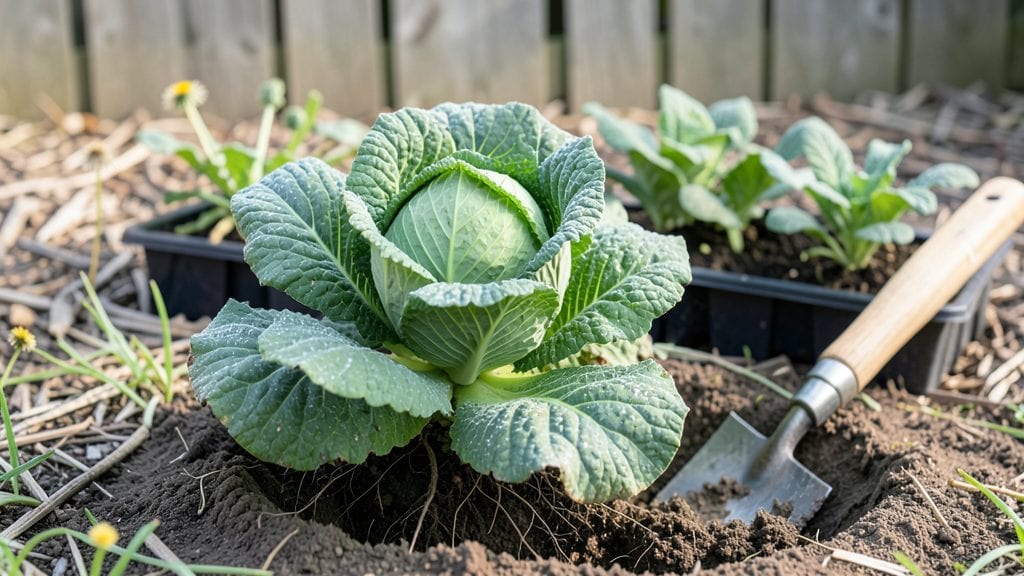
Planting savoy cabbage in your garden means crinkled, aphid-resistant leaves that stay fresh longer than regular cabbage. 🌱 I learned the hard way that timing and soil matter more than most guides admit—my first batch bolted because I planted too early, and the second nearly drowned when I overwatered.
The secret to success starts with choosing the right spot and preparing the ground properly, so you don’t end up pulling frustrated weeds or watching pests move in.
You’ll need well-draining soil rich in organic matter, a sunny patch with at least 6 hours of light daily, and seedlings spaced 18–24 inches apart to give their broad leaves room to grow.
Savoy cabbage thrives in cool weather, so aim for 4–6 weeks before your last frost in spring or late summer for a fall harvest. The key is patience—rushing the process leads to bitter leaves or stunted growth, and nobody wants that when you’re dreaming of crisp, flavorful harvests.
Once planted, keep the soil consistently moist but not soggy, and watch for those telltale curled leaves that mean aphids are nearby. Aphids love savoy cabbage, but a strong spray of water or introducing ladybugs early can save your plants before they become a buffet.
With the right care, you’ll harvest lush, deep-green heads that stay fresh for weeks in the fridge—way better than store-bought and a whole lot more satisfying.
This method works for garden beds, raised planters, or even large containers, so whether you’ve got a small balcony or a sprawling yard, savoy cabbage fits right in. The real reward?
A garden that not only resists pests but also delivers bold, textured greens that turn every meal into something special. Let’s get those seeds in the ground!
📚 In This Guide
- What you need
- Instructions
- Tips and common mistakes
- Wrapping up and next steps
What you need
- ● Savoy cabbage seeds or seedlings: Choose aphid-resistant varieties like 'Rodman' or 'Tendercrisp'. Buy 5–10 seeds (or 3–5 seedlings) for a small garden.
- ● Well-draining soil: Mix 1 part compost with 2 parts garden soil (pH 6.0–7.0). Test soil for aphid activity—sterilize if needed.
- ● Fertilizer: Balanced organic fertilizer (10-10-10) or compost tea for nutrient-rich growth.
- ● Watering can or hose: With a fine spray nozzle to avoid damaging tender leaves.
- ● Garden trowel or transplanter for seedling placement.
- ○ Gloves (optional but recommended for handling aphid-prone plants).
- ○ Row cover or insect netting (optional, to deter early aphid attacks).
- ○ Neem oil or insecticidal soap (optional, for aphid prevention—mix as directed).
- ● Sunlight: Full sun (6+ hours/day) for optimal growth.
- ● Spacing: Plant seeds 1/4 inch deep, 12–18 inches apart in rows 24–30 inches apart.
- ● Climate: Start seeds indoors 4–6 weeks before last frost or direct-sow after frost risk passes.
Step-by-Step instructions for planting Savoy cabbage
Here’s how to get your aphid-resistant Savoy cabbage thriving—from soil prep to transplanting.
🌱 Step 1: Prepare the Soil for Optimal Growth
Savoy cabbage loves rich, well-draining soil with a pH between 6.0 and 7.0. Work in 2-3 inches of compost into the top 6 inches of soil to improve fertility and drainage. Savoy cabbage is heavy feeders, so don’t skimp on organic matter. I like to mix in a handful of aged manure or worm castings to give those leaves the nutrients they crave.
Loosen the soil to a depth of 12 inches with a garden fork or tiller. This breaks up compacted layers so roots can spread easily. If your soil drains poorly, add sand or perlite to improve aeration. Savoy cabbage hates soggy feet—waterlogged roots lead to rot and stunted growth. Test your soil’s moisture by squeezing a handful; it should hold together but not feel sticky.
🪴 Step 2: Choose the Right Planting Location and Spacing
Savoy cabbage thrives in full sun to partial shade, with at least 6 hours of sunlight daily. A spot with morning sun and afternoon shade works well in hot climates, preventing bolting (when plants prematurely flower). Space plants 18-24 inches apart in rows 24-30 inches apart to allow airflow and reduce disease risk. Crowding invites pests like aphids, which Savoy cabbage is famously resistant to—but even tough varieties need room to breathe.
If planting in spring, wait until soil temperatures reach 50°F and all frost danger has passed. Savoy cabbage is cold-hardy but won’t tolerate freezing temperatures. For fall planting, sow seeds 8-10 weeks before your first frost date for a winter harvest. Mark your planting spots with stakes or a garden map—cabbage takes up space, and you’ll want to avoid planting near other brassicas like broccoli or kale, which share pests and diseases.
☀️ Step 3: Sow Seeds or Transplant Seedlings
For direct sowing, plant seeds ¼ inch deep in rows. Space seeds 1-2 inches apart and thin to 18 inches once seedlings develop 2-3 true leaves. Thinning might seem cruel, but crowded cabbage struggles to form tight heads. If using transplants, dig holes slightly larger than the root ball and place seedlings so the crown sits at soil level. Press soil gently around the roots to eliminate air pockets.
Water immediately after planting to settle the soil and remove any air gaps. Keep the soil consistently moist but not soggy—Savoy cabbage roots need steady hydration to form those prized crinkled leaves. Mulch with 2-3 inches of straw or shredded leaves to retain moisture and suppress weeds. Avoid mulching too close to the stems, or you’ll risk rot. You’ll know you’ve done it right when the soil stays evenly damp and weeds stay at bay.
💧 Step 4: Maintain Moisture and Fertility for Lush Growth
Water Savoy cabbage 1-1.5 inches per week, more during hot, dry spells. Deep watering encourages strong root systems and prevents bitterness in the leaves. Water at the base—avoid wetting the foliage to reduce fungal diseases like downy mildew. I like to water in the early morning so leaves dry quickly, cutting down on pest problems. You’ll see healthy growth when leaves stay crisp and upright, not wilted or yellowing.
Fertilize every 3-4 weeks with a balanced organic fertilizer (like 5-5-5) or compost tea. Savoy cabbage is a heavy feeder, so don’t skip this step. Stop fertilizing 4-6 weeks before harvest to avoid bitter flavors. Watch for signs of nutrient deficiency—yellowing lower leaves often mean it’s time for another feeding. If aphids do appear (rare for Savoy cabbage, but not impossible), blast them off with a strong spray of water or introduce ladybugs for natural control.
⏰ Step 5: Harvest at Peak Maturity for Best Flavor
Savoy cabbage heads typically mature in 70-90 days, depending on variety and growing conditions. Harvest when heads reach 6-8 inches in diameter and feel firm to the touch. Use a sharp knife to cut the head cleanly, leaving 1-2 inches of stem attached. This encourages regrowth—if you leave the outer leaves intact, the center may produce a second, smaller head.
Store harvested cabbage in the crisper drawer of your fridge for up to 2 weeks. For long-term storage, ferment or freeze the leaves. Savoy cabbage’s resistance to aphids makes it a reliable choice, but don’t let that lull you into neglect—consistent care is key. You’ll know you’ve succeeded when those crinkled, vibrant leaves fill your kitchen with fresh, homegrown goodness.
Tips & tricks for planting Savoy cabbage
A few simple tricks will help you grow the most vibrant, aphid-resistant Savoy cabbage possible—starting with the soil and ending with harvest.
Soil Prep Secret: In Step 1, when you're working in that 2-3 inches of compost and aged manure, don't stop at just the top 6 inches. Use your garden fork to gently loosen soil down to 12 inches while breaking up any root channels from previous crops. This creates a "sponge-like" structure that holds moisture perfectly while preventing waterlogging. I've seen Savoy cabbage roots grow 2 feet deep when given this kind of loose, aerated soil—it's like giving your plants a deep drink of water they can access all season long.
Spacing Strategy: The 18-24 inch spacing in Step 2 might seem generous, but trust me on this—crowded Savoy cabbage heads will be small and misshapen. Here's my trick: use a simple string line and small stakes to mark your rows before planting. This ensures perfect spacing without guesswork. You'll also notice fewer aphids when plants have good airflow, and those crinkled leaves will develop their signature texture properly.
Thinning Technique: When thinning seedlings in Step 3 to 18 inches apart, do it gradually. First thin to 6 inches when they have 2 true leaves, then wait another week before final thinning. This prevents shock to the remaining plants. I like to use clean scissors to snip seedlings at soil level rather than pulling—it's quicker and keeps the roots intact for composting. The plants you keep will grow stronger with less competition.
Fertilizer Timing: In Step 4, when you're fertilizing every 3-4 weeks, switch to a liquid fertilizer like fish emulsion in the last 4 weeks before harvest. This gives a quick nutrient boost without the risk of bitterness that can come from granular fertilizers too close to harvest. I've found that Savoy cabbage responds beautifully to this mid-season change, producing heads that are both sweet and tender.
Pro Tips for Planting Savoy Cabbage
- A few simple tricks will help you grow the most vibrant, aphid-resistant Savoy cabbage possible—starting with the soil and ending with harvest.
- Soil Prep Secret: In Step 1, when you're working in that 2-3 inches of compost and aged manure, don't stop at just the top 6 inches.
- Spacing Strategy: The 18-24 inch spacing in Step 2 might seem generous, but trust me on this—crowded Savoy cabbage heads will be small and misshapen.
Frequently asked questions
Got questions about growing savoy cabbage?
You’re not alone! Here are answers to the most common queries—from timing to troubleshooting—so you can grow this aphid-resistant beauty with confidence.
When is the best time to plant savoy cabbage?
Savoy cabbage thrives in cool weather. Plant seeds 4–6 weeks before your last frost date in spring (around March–April in most zones) or 8–10 weeks before your first fall frost (August–September). Avoid extreme heat—it bolts (goes to seed) quickly! For year-round harvests, try succession planting every 2–3 weeks.
Why does my savoy cabbage keep getting aphids, even though it’s supposed to be resistant?
While savoy cabbage is more aphid-resistant than other varieties, it’s not immune. Prevention is key: Spray plants with neem oil or introduce ladybugs early. Check the undersides of leaves weekly. If infestations persist, try row covers or rotate crops to disrupt aphid life cycles.
How long does it take for savoy cabbage to mature?
Most savoy varieties take 70–90 days to reach harvest size, depending on the type. Check seed packets for exact timelines—some bolt-resistant hybrids mature faster. Harvest when heads are firm but still tender (about the size of a softball). For continuous harvests, pick outer leaves first!
Can I grow savoy cabbage in hot climates?
Savoy cabbage struggles in temperatures above 80°F (27°C), but you can still grow it with these tricks:
- Plant in partial shade (afternoon shade helps).
- Use mulch to keep soil cool.
- Choose bolting-resistant varieties like ‘January King.’
- Try fall/winter planting for ideal conditions.
What’s the difference between savoy and regular cabbage?
Savoy cabbage has crinkled, textured leaves (vs. smooth green/red cabbage) and a milder, sweeter flavor. It’s also more aphid-resistant and better for braising, soups, or stir-fries—its leaves stay tender longer. Regular cabbage is firmer and better for fermentation (sauerkraut) or shredding raw.
Pro Tip: Save seeds from your healthiest heads!
Savoy cabbage is open-pollinated, so you can collect seeds for next year. Let a few plants bolt, then harvest seeds from dried pods. Store in a cool, dry place for up to 3 years.
Wrapping up and next steps
Growing aphid-resistant Savoy cabbage is a rewarding way to enjoy a bountiful, healthy harvest while keeping pests at bay.
By choosing the right variety, preparing your soil, and following best practices, you’ll be well on your way to a thriving garden. Now’s the perfect time to grab those seeds, roll up your sleeves, and get planting!
Ready to take the next step? Start small—try a few plants in containers or a dedicated bed—and expand as you gain confidence. Soon, you’ll be savoring homegrown Savoy cabbage and bragging about your pest-free success! 🌱💪