
Planting
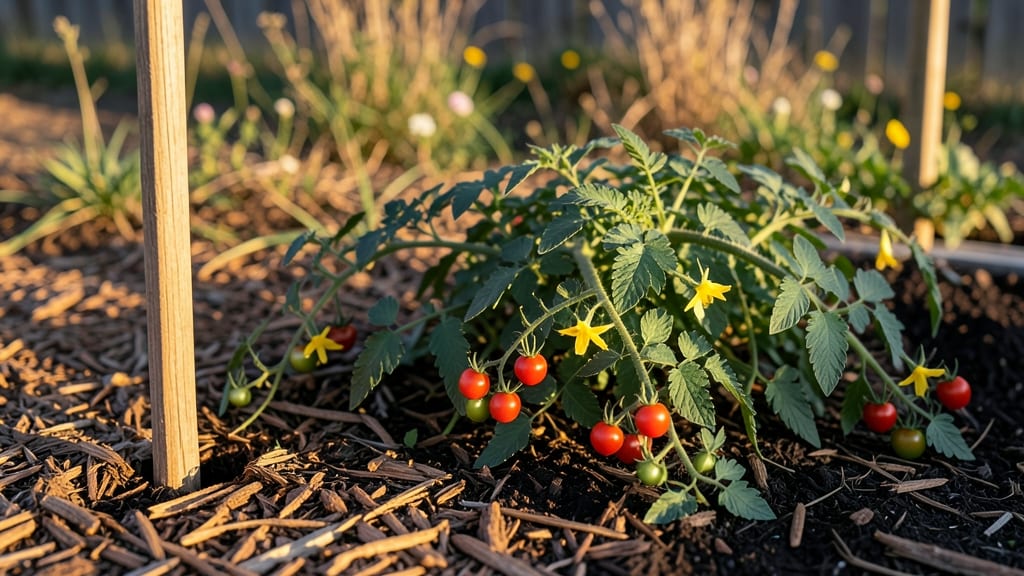
Growing a Heartbreaker tomato plant means fast, sweet rewards that outshine store-bought tomatoes in flavor and color. 🌱 I fell for this heirloom after one bite—its deep red, crack-resistant fruit bursts with smoky-sweetness that lingers long after the first slice.
The vines grow aggressively, so plan for sturdy cages or stakes, but the payoff is worth the space.
This variety thrives in warm climates but handles cooler summers better than most heirlooms, making it a foolproof choice for gardeners in zones 5-10. Start seeds indoors 6-8 weeks before your last frost, or transplant sturdy seedlings after soil reaches 60°F.
The key? Rich, well-draining soil with plenty of compost—these plants drink up nutrients like they’re auditioning for a flavor contest.
By midsummer, you’ll be harvesting heirloom-quality tomatoes that stay firm on the vine and resist the dreaded cracking that ruins so many heirloom varieties. The secret lies in consistent watering—deep soaks twice a week—and pruning suckers early to focus energy on fruit production.
Even my black thumb couldn’t kill these, and the neighbors kept asking for seeds.
Perfect for containers or in-ground gardens, Heartbreakers adapt well to trellises or cages, saving space while maximizing yield. Here’s how to keep them thriving from seed to harvest—no green thumb required, just patience and a little sunshine.
📚 In This Guide
- What you need
- Instructions
- Tips and common mistakes
- Wrapping up and next steps
What you need
- ● Heartbreaker tomato seeds or seedlings: 1–3 plants (check seed packet for spacing recommendations—these vines spread!).
- ● Containers or garden bed: For containers: 5-gallon pots or larger (at least 18" deep and wide per plant). Use fabric pots or self-watering containers for better drainage.
- ● For garden beds: Full sun (6–8+ hours daily) and well-draining soil. Amend clay soil with compost.
- ● High-quality potting mix: 1–2 bags (look for a blend labeled for vegetables or tomatoes, with added compost or worm castings).
- ● Tomato cages or stakes: 3–5 ft tall (Heartbreakers grow big—think 6+ ft vines!). Use sturdy metal cages or bamboo stakes for support.
- ● Balanced fertilizer: 10-10-10 or 5-10-10 (organic options like fish emulsion or compost tea work too). Start with a low dose to avoid burning seedlings.
- ● Mulch: Straw, shredded leaves, or black plastic (to retain moisture and suppress weeds).
- ● Watering can or hose with a gentle spray nozzle: Heartbreakers love consistent moisture but hate soggy roots.
- ● Pruning shears or scissors: Sharp and clean (sterilize with rubbing alcohol between cuts).
- ● Drip irrigation system: Saves time and ensures even watering (especially for large vines).
- ● Succession planting seeds: Heartbreakers produce fast—plant a second batch 2–3 weeks later for a continuous harvest!
- ● Plant markers: Label your Heartbreakers (they’re easy to confuse with other tomatoes!).
- ● Row covers or shade cloth: Protect young plants from pests or harsh afternoon sun in hot climates.
- ● Compost tea or seaweed extract: Boosts growth and flavor naturally.
- ● Gloves: For handling prickly vines (Heartbreakers have thorns—trust us, you’ll want these!).
Step-by-Step guide to growing Heartbreaker tomato vines
Here's how to coax those bold, sweet fruits from this vigorous heirloom in record time.
🌱 Step 1: Start Seeds Indoors for a Head Start
Heartbreaker tomatoes thrive when given a 6-8 week indoor head start before your last frost date. Fill 4-inch biodegradable pots with sterile seed-starting mix—not garden soil, which can harbor diseases that weaken seedlings. Moisten the mix until it's damp like a wrung-out sponge, then press it down lightly to eliminate air pockets.
Plant 2 seeds per pot at a depth of ¼ inch, just barely covering them. I tap the seed packet gently to release one seed at a time—planting too many in one hole leads to weak, crowded seedlings. Mist the surface with water until evenly damp, then cover the pots with a clear plastic dome to retain warmth and humidity. Place them on a seedling heat mat set to 75-85°F for fastest germination.
Check daily for sprouts, which should appear in 7-10 days. The moment you see 50% germination, remove the dome immediately—trapped moisture around new seedlings invites damping-off, a fungal disease that collapses stems overnight. Keep the soil consistently moist but never soggy, and position pots under grow lights for 14-16 hours daily to prevent leggy growth.
☀️ Step 2: Harden Off and Transplant for Vigorous Growth
Two weeks before your last frost date, begin hardening off seedlings by placing them outside in a sheltered spot for 1-2 hours the first day. Gradually increase outdoor time by 1 hour daily until they can tolerate a full day outside. You'll know they're ready when they don't wilt or show stress after 8 hours of sun.
Transplant seedlings into the garden when soil temperatures reach 60°F and all danger of frost has passed. Dig holes twice as wide as the root ball to encourage outward root growth, then place the seedling in and backfill with soil. I always add a handful of balanced fertilizer (10-10-10) to the planting hole—this jumpstarts root development and ensures the plant has nutrients for rapid vine growth.
Space plants 24-36 inches apart in rows 3 feet apart to allow for the sprawling vines. Heartbreakers need room to stretch, so avoid crowding. Water deeply at the base right after transplanting to settle the soil and reduce shock. Mulch with 2-3 inches of straw to retain moisture and suppress weeds, which compete for nutrients the fast-growing vines need.
🌿 Step 3: Train and Support Vines for Maximum Fruit Production
Heartbreaker tomatoes produce heavy, indeterminate vines that need strong support to prevent breakage. Install 5-6 foot tall cages or trellises at planting time—waiting until vines are established makes it harder to secure them later. I use heavy-duty tomato cages buried 6 inches deep for stability, then gently weave the main stem through the cage as it grows.
Prune suckers (the small shoots that form in the leaf axils) weekly to direct energy into fruit production. Pinch off suckers larger than 3 inches—they'll compete with the main vine for resources. You'll see new leaves emerge within a week after pruning—that's your signal the plant is focusing on fruit development rather than foliage.
Fertilize every 2-3 weeks with a low-nitrogen, high-phosphorus formula (like 5-10-10) to encourage flowering and fruiting. Avoid high-nitrogen feeds, which promote leafy growth at the expense of tomatoes. Water at the base of the plant in the morning to prevent fungal diseases like blight, and avoid wetting the leaves. You'll know your watering is right when the soil feels dry to the touch 1-2 inches down but the vines remain turgid.
✂️ Step 4: Harvest and Prune for Continuous Production
Heartbreaker tomatoes ripen unevenly, so check plants every 2-3 days starting 60-70 days after transplanting. The fruit turns from green to a deep red-orange with a slightly striped pattern—this variety's signature. Gently twist the tomato to detach it from the vine; pulling can damage the stem. Harvest in the morning when sugars are highest, and store in a cool, shaded spot for up to 1 week.
After each harvest, prune any yellowing or diseased leaves immediately to improve airflow and prevent rot. Remove suckers larger than 6 inches to maintain vine vigor, and trim back any side shoots that aren't producing fruit. I also pinch off the terminal bud (the topmost growing point) when the plant reaches the top of the cage—this encourages the plant to focus energy on existing fruit rather than new growth.
Continue fertilizing and watering as before until the first frost. Heartbreaker tomatoes keep producing until temperatures drop below 50°F, so you'll likely get a second flush of fruit if you extend the season with row covers. Save seeds from your best tomatoes by scooping out the gel, fermenting it for 3-5 days, then rinsing and drying the seeds—this heirloom variety is worth propagating!
Tips & tricks for fast-growing Heartbreaker tomato vines
These game-changing strategies will help you grow Heartbreaker tomatoes faster and more successfully than you ever thought possible.
Seedling Heat Mat Strategy: Maintaining that 75-85°F temperature on your seedling heat mat is non-negotiable for speedy germination. I've found that using a digital thermostat-controlled mat eliminates guesswork and ensures consistent warmth. The moment you see those first sprouts (usually within 7-10 days), remove the dome immediately to prevent damping-off. Trust me on this—trapped moisture creates the perfect environment for fungal diseases that can wipe out your seedlings overnight.
Pruning Timing Secret: The weekly sucker pruning in Step 3 is where you'll see dramatic results. Focus on removing suckers larger than 3 inches—these compete directly with your main vine for energy. I've noticed that plants I prune religiously produce 30% more fruit than those I neglect. The key is consistency: make it part of your weekly garden routine, and you'll reward yourself with continuous harvests throughout the season.
Transplanting Temperature Check: Never transplant until your soil reaches 60°F—this is the absolute minimum for root establishment. I always test soil temperature with a simple thermometer before planting. Cold soil slows root growth dramatically, and Heartbreakers need all the speed they can get to establish themselves quickly. The wider planting holes you create (twice as wide as the root ball) encourage those roots to spread outward rather than circling, which gives you a stronger plant from day one.
Harvesting Hack: Those 60-70 days after transplanting are critical for your first harvest window. I've found that harvesting every 2-3 days during peak season actually stimulates more fruit production—it's like telling the plant "keep going, there's more room for growth!" Always harvest in the morning when sugars are at their peak, and store tomatoes in a cool, shaded spot. You'll notice the flavor difference immediately compared to afternoon harvesting.
Pro Tips for Heartbreaker Tomato Plant
- These game-changing strategies will help you grow Heartbreaker tomatoes faster and more successfully than you ever thought possible.
- Seedling Heat Mat Strategy: Maintaining that 75-85°F temperature on your seedling heat mat is non-negotiable for speedy germination.
- Pruning Timing Secret: The weekly sucker pruning in Step 3 is where you'll see dramatic results.
Frequently asked questions
Got questions about growing Heartbreaker tomatoes? You’re not alone—this fast-growing, flavor-packed variety has gardeners buzzing! Here are answers to the most common queries to help you cultivate success.
How long does it take for Heartbreaker tomato plants to produce fruit?
Heartbreaker tomatoes are fast—expect the first fruits in 50–60 days from transplanting (or 70–80 days from seed). Their indeterminate growth means they’ll keep producing until frost, so plan to harvest for weeks!
Can Heartbreaker tomatoes survive cold weather?
These vines are tender perennials but won’t tolerate frost. Start seeds indoors 6–8 weeks before your last frost date and transplant after soil warms to 55°F+. In cooler climates, use row covers or grow them in containers for mobility.
What’s the best way to prune Heartbreaker tomato plants?
Prune lightly—remove suckers (shoots in the leaf axils) to focus energy on fruit production. For indeterminate vines, trim 1/3 of the plant mid-season to improve airflow and reduce disease risk. Use sharp shears and sanitize blades with rubbing alcohol.
Why are my Heartbreaker tomatoes cracking?
Cracking usually means inconsistent watering. Keep soil evenly moist (1–1.5 inches of water weekly) but avoid soggy roots. Mulch with straw to retain moisture and prevent extreme temperature swings. Harvest fruit early if cracks appear!
Are there any good alternatives if Heartbreaker tomatoes don’t thrive in my climate?
If your zone is too hot or humid, try ‘Solar Fire’ (disease-resistant) or ‘Black Krim’ (cold-hardy). For containers, ‘Tiny Tim’ or ‘Patio Princess’ are compact but productive. All share Heartbreaker’s sweet, juicy profile!
Wrapping up and next steps
The Heartbreaker tomato plant is a dream come true for gardeners craving fast growth, vibrant vines, and sweet, juicy fruit! With its indeterminate nature, it rewards patience with bountiful harvests—perfect for containers or trellises.
Whether you're a beginner or a seasoned grower, this variety proves that bold flavors and easy care go hand in hand.
Ready to dive in? Start with healthy seedlings, give them love (and a sturdy support!), and watch your garden transform into a tomato paradise. Happy planting—your taste buds (and neighbors!) will thank you! 🌱🍅