
Companion Plants
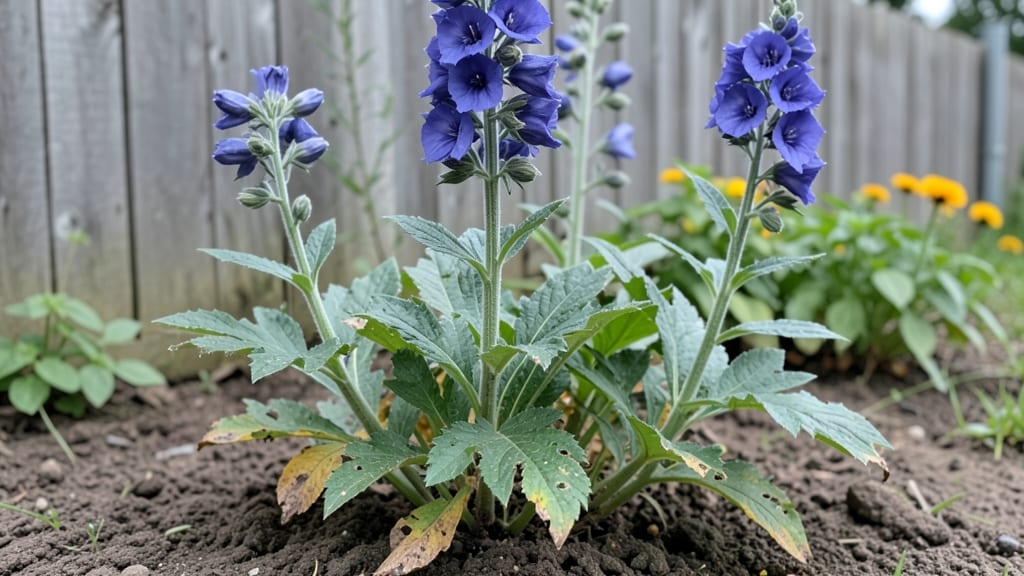
Growing plants with hollow stems 🌱 lets you multiply your garden for free—just snip, root, and watch new growth take off in weeks.
Did you know some of the easiest plants to propagate grow from simple stem cuttings—and many of them have hollow stems? These plants multiply effortlessly, saving you money while expanding your garden with minimal effort.
Whether you're working with sunflowers, delphiniums, or ornamental grasses, these low-maintenance plants thrive in USDA Zone 6 and beyond. Spring is the perfect time to start, with planting windows open from April through May.
In this guide, I’ll show you how to spot hollow stems, propagate them like a pro, and even turn them into stunning dried arrangements or cut flowers—no green thumb required.
How to identify hollow stem plants in your garden
If you’ve ever wondered why some plants seem to multiply like magic with just a few snips, you’re likely dealing with hollow stem plants. These plants are nature’s way of making propagation effortless—just cut a stem, and you’ve got a new plant ready to grow!
The key to success starts with identifying these plants correctly in your garden.
Hollow stem plants often look deceptively similar to solid-stemmed varieties, but there are tell-tale signs that reveal their true nature. For example, when you gently shake a hollow stem, it often produces a faint rattling sound, like a dry reed.
This is because the stem’s center is empty or filled with air, unlike solid stems that feel firm and dense.
Common examples of hollow stem plants include mint, basil, coleus, and sunflowers. These plants not only propagate easily but also thrive in containers, making them perfect for small gardens or balconies.
Knowing how to spot them will help you maximize propagation success and fill your garden with free, healthy plants.
One of the easiest ways to confirm if a plant has a hollow stem is to cut it open with a sharp knife or shear. If the center is empty or filled with air, you’ve found a hollow stem.
This simple test can save you time and frustration when trying to propagate plants from cuttings.
Another visual clue is the flexibility and lightweight of the stem. Hollow stems are often more pliable and lighter than their solid counterparts, which can feel heavier and stiffer. This flexibility also makes them easier to bend or manipulate during propagation.
Hollow stem plants are also known for their rapid growth and bushy foliage. If you notice a plant growing quickly with a woody, yet lightweight stem, it’s likely a hollow-stemmed variety.
This trait is especially common in herbs and ornamental plants, making them ideal for both culinary and decorative gardens.
Here’s how to distinguish them from solid-stemmed plants at a glance:
Once you’ve identified a hollow stem plant, you’re ready to propagate it with ease. These plants often root in just a few weeks when placed in water or moist soil.
For example, a basil cutting can develop roots in as little as 10 days, while mint may take slightly longer but is equally rewarding.
If you’re new to propagation, start with easy-to-root hollow stem plants like coleus or pothos. These plants are forgiving and will give you confidence to experiment with other varieties.
Just remember to keep the cuttings in a bright, indirect light and change the water every few days to prevent bacterial growth.
Identifying hollow stem plants is the first step to expanding your garden for free. With a little practice, you’ll be able to spot these plants anywhere and turn them into thriving new additions to your garden. Happy propagating! 🌱
Step-by-step guide to propagating hollow stem plants
Propagating hollow stem plants like coleus, mint, or basil is one of the easiest ways to expand your garden without spending a dime. Their unique hollow stems store moisture and nutrients, making them perfect for cuttings. The best part?
You can root them in water or soil—both methods work beautifully with minimal effort. Whether you're growing herbs, flowers, or ornamental grasses, this foolproof method will give you healthy new plants in just a few weeks.
Timing is everything when propagating hollow stem plants. The ideal window is late spring to early summer, when plants are actively growing but haven’t yet flowered. This ensures your cuttings have the energy to develop roots.
You’ll also need just a few basic tools: sharp pruning shears, a clean glass jar (for water rooting), or a small propagation tray (for soil rooting), and optional rooting hormone for extra speed. Let’s get started!
How to Propagate Hollow Stem Plants
-
Step 1: Select Healthy Stems
Choose stems that are 4-6 inches long with at least 2-3 leaf nodes. Avoid stems that are flowering or damaged, as they won’t root well. -
Step 2: Make Clean Cuts
Use sterilized pruning shears to cut stems at a 45-degree angle just below a leaf node. This increases surface area for root growth. -
Step 3: Remove Lower Leaves
Strip off the bottom 2-3 leaves to expose the hollow stem. This prevents rot and directs energy to root development. -
Step 4: Choose Your Rooting Method
Water Method: Place stems in a jar of water, ensuring nodes are submerged. Change water every 3-4 days.
Soil Method: Dip cuttings in rooting hormone (optional) and plant in moist potting mix, covering nodes by 1 inch. -
Step 5: Provide Ideal Conditions
Keep cuttings in bright, indirect light and maintain 70-75°F temperatures. For water rooting, roots appear in 1-3 weeks. For soil rooting, keep soil consistently moist but not soggy. -
Step 6: Transplant When Ready
Once roots are 1-2 inches long (water method) or new growth appears (soil method), transplant to individual pots with well-draining soil. Harden off plants by gradually exposing them to outdoor conditions over 1 week.
After transplanting, your new hollow stem plants will need consistent care to thrive. Place them in partial shade for the first week to reduce stress, then gradually move them to their permanent spot.
Water deeply once a week and fertilize lightly with a balanced fertilizer every 4-6 weeks during the growing season. Avoid overwatering, as hollow stems are prone to rot if soil stays too wet.
One of the biggest mistakes beginners make is using old or woody stems for propagation. These won’t root well because they lack the energy stored in younger, flexible stems. Always prioritize green, healthy growth for the best results.
If you’re propagating herbs like basil or mint, you can even keep the original plant alive—it’ll often sprout new stems from the base!
With just a few cuttings, you can fill your garden with free, thriving plants in no time. Try propagating coleus for vibrant foliage, sunflowers for towering blooms, or mint for a fragrant addition to your herb garden.
The key is patience—roots take time, but the reward of watching your cuttings grow into full plants is incredibly satisfying.