
Lawn
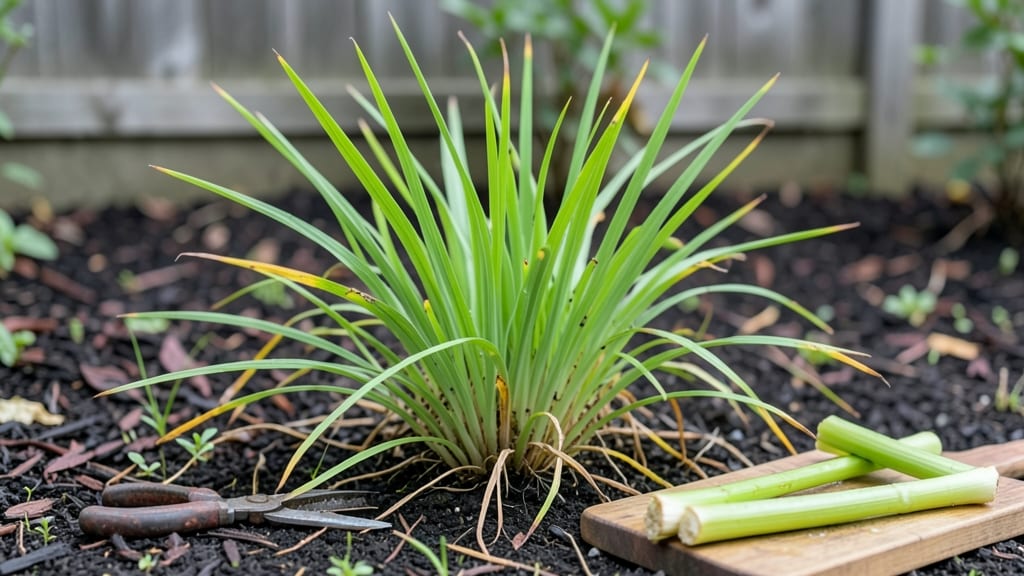
Learning how to cut a lemon grass plant properly keeps it thriving—something I discovered after over-trimming and nearly killing mine. The key is timing and technique: harvest stalks before they flower, when they're thickest and most flavorful, usually in late spring or early summer.
A sharp knife or clean shears makes all the difference—dull blades crush the stalks and invite rot.
Start by cutting the outer stalks about 3-4 inches above the soil line, leaving the inner core intact. This encourages bushier regrowth while keeping the plant healthy.
Most people make the mistake of cutting too close to the base or harvesting too many stalks at once—both stress the plant and slow down recovery. Aim to take no more than one-third of the stalks in a single session.
After trimming, give your lemon grass a drink of water to help it bounce back, and consider a light dose of balanced fertilizer to support new growth. Within 4-6 weeks, you'll see fresh stalks shooting up, ready for another harvest.
The plant will thank you with thicker, more productive regrowth and a longer lifespan—no more patchy, struggling clumps.
This method works year-round in warm climates, but in cooler zones, harvest in late summer before the first frost. The trick is consistency: regular, gentle trimming keeps your lemon grass lush and productive, while aggressive cutting leads to decline. Now grab those shears and get trimming!
📚 In This Guide
- What you need
- Instructions
- Tips and common mistakes
- Wrapping up and next steps
What you need
- ● Sharp pruning shears or garden scissors – Opt for bypass pruners (for clean cuts) or heavy-duty scissors with a 4-6 inch blade. Avoid dull tools to prevent crushing the stems.
- ● Clean, disinfected cutting tool – Rubbing alcohol (70% or higher) or a bleach solution (1:9 ratio) to sterilize blades between cuts (prevents disease spread).
- ○ Gloves (optional but recommended) – Nitrile or leather gardening gloves to protect hands from sharp edges and sap.
- ● Measuring tape or ruler – For precision trimming (aim for 12-18 inches from the base for mature plants).
- ● Water spray bottle – To mist stems before cutting (reduces sap splatter and makes trimming easier).
- ● Compost bin or bag – For discarded trimmings (lemon grass clippings are biodegradable!).
- ● Knee pad or stool – For comfort if your lemon grass is tall or the ground is hard.
- ○ Marking spray (optional) – A light-colored spray paint to mark cutting heights on older stems (great for beginners!).
- ● Plastic wrap or damp towel – To wrap freshly cut stems for transport (keeps them fresh longer).
- ● Hand sanitizer – Lemon grass sap can be irritating; keep this handy for post-trimming clean-up.
Step-by-step instructions for harvesting lemon grass
Here's how to keep your lemon grass thriving while getting the freshest stems for cooking.
Identify the Right Time to Harvest
Wait until your lemon grass plant reaches at least 12 inches tall before cutting—this ensures the plant has enough energy stored to regrow. The best time to harvest is in the morning after the dew has dried but before the midday sun intensifies. You'll know it's ready when the outer leaves are fully unfurled and the stem feels firm when you gently squeeze it.
Never harvest when the plant looks stressed or after a recent transplant. If you cut too early, the plant may not recover, and you'll end up with fewer stems over time. I always check for at least three to four mature leaves before harvesting—this guarantees a strong regrowth cycle.
Use the Correct Cutting Technique
Use a sharp pair of pruning shears or a clean kitchen knife to make your cut. Avoid dull tools—they crush the stems and invite disease. Cut the lemon grass about 2 inches above the ground, leaving a short stump. This prevents the plant from becoming too vulnerable to rot or pests while still allowing new shoots to emerge from the base.
Here's the thing—don't cut the stem at an angle. A straight cut just above the ground ensures the plant can heal properly and regrow efficiently. If you're harvesting multiple stems, space your cuts evenly around the plant to encourage balanced growth. I usually harvest two to three stems per plant at a time, depending on its size.
Prepare the Stems for Storage or Use
Once cut, remove the tough outer leaves by peeling them away from the bottom of the stem. You want to expose the tender, pale green inner part—this is the prized section used in cooking. Trim the top of the stem just below the leafy crown to create a clean, flat surface. This makes it easier to store or use in recipes.
If you're not using the stems immediately, wrap them in a damp paper towel and place them in a plastic bag. Store them in the refrigerator for up to two weeks. For longer storage, you can freeze the stems whole or cut into smaller pieces. Just make sure to label them with the date—fresh lemon grass freezes best within a week of harvesting.
Encourage Regrowth After Harvesting
After cutting, water the plant deeply to help it recover. Lemon grass thrives in well-draining soil and prefers partial shade to full sun, depending on your climate. If your plant is in a pot, ensure it has enough space—lemongrass can grow quite tall and needs room to regenerate. I like to fertilize lightly with a balanced, water-soluble fertilizer two weeks after harvesting to give the plant a boost.
Watch for new shoots emerging from the base within three to four weeks. If the plant doesn't regrow, it might be stressed from over-harvesting or poor conditions. Adjust your harvesting frequency—lemongrass can handle two to three cuts per year if cared for properly. Real talk: if you harvest too often, the plant will weaken, and you'll end up with fewer, smaller stems.
Tips & tricks for precision lemon grass trimming
These simple yet game-changing tips will help you harvest lemon grass like a pro—without sacrificing plant health or flavor.
Timing is Everything: The morning harvest window is crucial because the stems are most hydrated after dew dries but before midday heat. If you must harvest later, choose early evening when temperatures drop. I've found that stems harvested at these times stay fresher longer and have more vibrant flavor. Between us, harvesting at noon during summer can cause the stems to wilt faster—trust me on this.
Tool Selection Matters: While pruning shears work perfectly, a clean kitchen knife with a sharp blade is my go-to for precision cuts. Dull tools crush the delicate stems, which can lead to rot or stunted regrowth. I always wipe my knife with rubbing alcohol between cuts to prevent cross-contamination. Don't make my mistake: using scissors or dull scissors will damage your plant.
Storage Strategy: The damp paper towel method is underrated—it mimics the plant's natural humidity environment. For longer storage, I recommend cutting the stems into 3-4 inch pieces before freezing. This makes them easier to handle when you're ready to use them in recipes. Label your freezer bags with the harvest date because frozen lemon grass loses potency after about 3 months.
Regrowth Insight: That 2-inch stump you leave is more important than you might think. It contains growth hormones that stimulate new shoots. I've noticed that plants with shorter stumps (less than 1.5 inches) take longer to recover. Also, spacing your cuts around the plant's circumference encourages even regrowth—don't cluster all cuts in one area, or you'll end up with lopsided growth.
Pro Tips for Cut Lemon Grass Plant
- These simple yet game-changing tips will help you harvest lemon grass like a pro—without sacrificing plant health or flavor.
- Timing is Everything: The morning harvest window is crucial because the stems are most hydrated after dew dries but before midday heat.
- Tool Selection Matters: While pruning shears work perfectly, a clean kitchen knife with a sharp blade is my go-to for precision cuts.
Frequently asked questions
Got questions about cutting your lemon grass? You’re not alone! Here are some of the most common queries—and their straightforward answers—to help you trim like a pro.
When is the best time of year to harvest lemon grass?
The ideal time to cut lemon grass is in its second year, when the stalks are thick and tender (about 12–18 months old). For continuous harvests, trim before flowering (spring/summer) to preserve flavor and growth. Avoid heavy cuts in winter—your plant needs energy to recover!
How close to the ground should I cut the lemon grass?
Leave 2–3 inches of stubble above the soil to encourage regrowth. Cutting too low risks damaging the rhizomes (underground stems) or inviting pests. Pro tip: Use a sharp knife or pruners for clean cuts—no jagged edges!
Can I use the leftover lemon grass after cutting?
The lower, woody base can be used for broths or infused oils, while the green tops (if tender) work in teas or garnishes. Just remove any tough, fibrous parts. Don’t toss it! Repurpose every inch!
Why is my lemon grass turning brown after cutting?
Brown tips often mean over-trimming, drought, or nutrient deficiency. Ensure your plant gets bright, indirect light and consistent moisture (but not soggy soil). If brown spots persist, fertilize lightly with a balanced 10-10-10 mix. Patience helps—new growth should bounce back in 2–4 weeks.
What if I don’t have a lemon grass plant? Can I substitute?
In a pinch, use galangal (Alpinia galanga) or citronella for similar flavors, though they’re slightly stronger. For cooking, lemongrass powder or frozen stems (thawed) work too. Just adjust recipes—substitutes aren’t 1:1!
Still stumped? Drop your question in the comments—we’ve got answers for even the trickiest lemon grass dilemmas!
Wrapping up and next steps
Cutting your lemon grass plant doesn’t have to be intimidating—with the right tools and technique, you’ll harvest fresh, vibrant stems like a pro! 🌿 Whether you’re trimming for cooking, propagation, or maintenance, remember to use sharp tools, leave the lower nodes, and water afterward to keep your plant thriving.
Now that you’re equipped with these tips, grab your pruners and enjoy the satisfaction of a well-maintained lemon grass patch.
Ready to take it further? Experiment with growing other aromatic herbs like basil or mint—your kitchen (and garden!) will thank you. Happy trimming! 🌱