
Pests
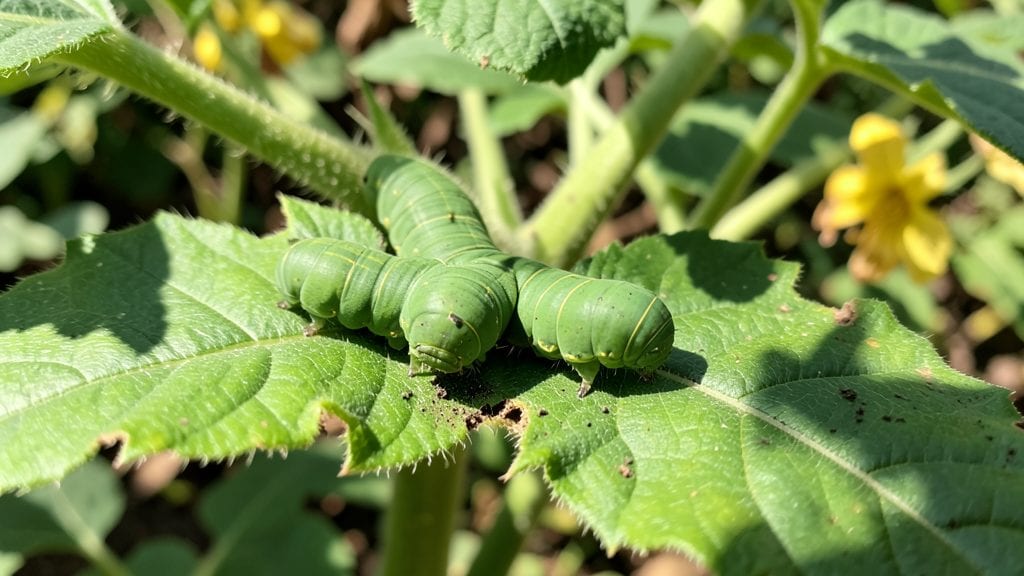
Green caterpillars devouring your tomato plants can turn a promising harvest into a sad pile of leaves overnight. 🌱 I’ve lost entire vines to these ravenous pests, but I’ve also learned how to reclaim my garden without harsh chemicals.
The key is acting fast—whether you’re dealing with hornworms or tomato loopers, these chewers multiply quickly if you ignore them.
Most people reach for sprays first, but the real game-changers are simple, targeted methods like handpicking (yes, it works) and introducing beneficial predators. I’ve saved my plants by inviting ladybugs and parasitic wasps to do the dirty work, plus a few tricks with soap spray that won’t harm your tomatoes.
The best part? These techniques keep your harvest healthy and chemical-free.
You’ll spot the damage first—large holes in leaves, stripped stems, and those telltale green caterpillars hiding under foliage. Within 24 hours of starting these methods, you’ll see a noticeable slowdown in destruction.
The plants start recovering, new growth appears, and you’ll actually get to enjoy those juicy tomatoes you grew them for.
Works for backyard gardens, container plants, and even small urban setups. The secret is consistency—check your plants daily, especially in the morning when caterpillars are sluggish. Let’s get those tomatoes back on track!
Why it happens
Those pesky green caterpillars feasting on your tomato plants aren’t just random visitors—they’re drawn by specific conditions that turn your garden into an all-you-can-eat buffet. Understanding why they show up is the first step to stopping them before they devour your harvest.
Here’s a breakdown of the key factors at play:
🌱 Overcrowded Tomato Plants Invite Trouble
Tomato plants thrive in open spaces with good airflow, but when they’re packed too tightly together, they create the perfect hiding spot for caterpillars like the hornworm or tomato fruitworm. Here’s why:
- Shady Microclimates: Dense foliage traps moisture and warmth, mimicking the humid, sheltered environments caterpillars prefer. Think of it like a tiny, leafy rainforest where predators (like birds or parasitic wasps) can’t easily spot them.
- Stress Signals: Overcrowded plants produce volatile organic compounds (VOCs) that act like distress signals, attracting pests that feed on stressed vegetation. It’s nature’s way of saying, “Come and eat me—I’m weak!”
- Larval Highways: Without space between plants, caterpillars can slither from one plant to another unnoticed, turning a single infestation into a garden-wide outbreak.
Pro Tip: 🌡️ Space tomato plants 18–24 inches apart to improve airflow and reduce hiding spots. If you’re dealing with an existing thicket, prune aggressively to open it up.
🍃 Nutrient-Deficient Soil = Easy Prey
Caterpillars are drawn to tomato plants that are already struggling—whether from poor soil or imbalanced nutrients. Here’s the science:
- Nitrogen Overload: While nitrogen-rich soil helps leaves grow lush and green, it also makes plants more palatable to caterpillars. These pests are essentially looking for a fast, easy snack, and tender, nitrogen-fed leaves are irresistible.
- Potassium Deficiency: Potassium strengthens plant cell walls, making them harder for caterpillars to chew through. Without enough potassium (_K_), your tomatoes become softer targets.
- Weakened Defenses: Healthy plants produce higher levels of alkaloids and phenolic compounds, which deter pests. Malnourished plants? Their natural pest-repellent arsenal is weakened.
Pro Tip: 💡 Test your soil and amend it with compost or a balanced fertilizer (like 5-10-10) to boost potassium and reduce nitrogen excess. A sprinkle of wood ash (for potassium) or kelp meal (for trace minerals) can also help.
🌿 Late Planting or Staggered Growth
Timing matters more than you think. Caterpillars like the tomato hornworm have a short, synchronized life cycle that aligns with tomato plant growth stages:
- Peak Egg-Laying Period: Adult moths lay eggs on tomato plants during flowering and early fruiting (June–July in most climates). If your plants are just hitting this stage, you’re prime real estate for caterpillar hatchlings.
- Staggered Harvests: Succession planting (adding new tomato plants every 2–3 weeks) can actually increase caterpillar activity. Why? Because it provides a continuous food source for larvae, keeping them fed and reproducing.
- Night-Blooming Flowers: Many tomato pests are attracted to night-blooming flowers (like those on your tomato plants) because they’re pollinated by moths—the same moths that lay caterpillar eggs. It’s a double whammy!
Pro Tip: ✨ Plant early-season varieties (like ‘Stupice’ or ‘Mountain Merit’) to harvest before peak caterpillar season. If you must succession plant, use row covers until flowering begins.
🐛 Lack of Natural Predators
In a balanced ecosystem, caterpillars rarely become a problem because their populations are kept in check by predators. But if these helpers are missing, your tomato plants become an easy target:
| Missing Predator | Why It Matters | How to Attract Them Back |
|---|---|---|
| Parasitic Wasps (e.g., Cotesia congregata) | Lay eggs inside caterpillars, killing them from within. | Plant dill, fennel, or parsley nearby to attract adult wasps. |
| Ladybugs | Devour caterpillar eggs and young larvae. | Avoid pesticides; add a shallow water dish with pebbles for ladybugs to drink. |
| Birds (e.g., chickadees, robins) | Eat caterpillars on sight, but avoid dense foliage. | Install birdhouses or feeders 10+ feet from tomato plants. |
| Ground Beetles | Hunt caterpillars that fall to the soil. | Leave leaf litter or mulch around plants to provide shelter. |
Pro Tip: 🌿 If you’ve used broad-spectrum pesticides in the past, your garden’s predator population may be depleted. Skip chemicals for at least 30 days before expecting natural balance to return.
Quick Fixes for Wormy Tomato Plants
Those pesky green caterpillars—likely hornworms, loopers, or tomato fruitworms—can devour your tomato plants in no time. 🌱🐛 But don’t panic! With the right approach, you can save your harvest and keep your garden thriving.
Below are targeted solutions based on the most common causes of caterpillar infestations, from manual removal to organic sprays and long-term prevention.
🔥 Hand-Picking: The Fastest First Strike
For small infestations, your hands (and a pair of gloves) are your best tools. This method works best in the early morning when caterpillars are sluggish and easy to spot.
- 👨🍳 Inspect leaves and stems: Look for green, fuzzy, or striped caterpillars (1–3 inches long). Check the undersides of leaves—they love to hide there!
- 🐛 Drop them in soapy water: Once removed, place them in a bucket of soapy water to kill them instantly. (No need for harsh chemicals—dish soap works!) Pro tip: Use a flashlight at dusk to spot nocturnal feeders like tomato fruitworms.
- 🌡️ Repeat daily: Check plants every 2–3 days, especially after rain, when caterpillars are more active.
Best for: Small gardens, early-stage infestations, or organic gardening.
🍳 Organic Sprays: Non-Toxic Barriers
If caterpillars are multiplying faster than you can pick them, turn to natural repellents that disrupt their feeding habits without harming beneficial insects.
🌿 Homemade Sprays (Safe & Effective)
| Solution | How to Use | Reapply? |
|---|---|---|
| Neem Oil (1 tsp neem oil + 1 tsp mild soap + 1 quart water) | Spray directly on caterpillars and leaves. Works by disrupting their growth hormones. | Every 5–7 days or after rain. |
| Spinosad (derived from soil bacteria—OMRI-listed) | Mix as directed on the label. Target caterpillars and egg masses. | Every 7–10 days. |
| Garlic & Chili Pepper Spray (blend 4 garlic cloves + 1 tbsp cayenne + 1 quart water; strain) | Spray on leaves. The strong scent repels caterpillars. | Every 3–4 days. |
Pro tip: 💡 Spray in the evening to avoid harming bees and other pollinators. Always test sprays on a small leaf first to check for sensitivity.
👨🍳 Biological Controls: Let Nature Do the Work
Encourage caterpillar predators to move into your garden. These allies will keep populations in check without you lifting a finger.
- 🐞 Ladybugs: Release them in the morning—they hate the heat and will stay to hunt aphids and caterpillar eggs.
- 🦋 Parasitic Wasps: Tiny but mighty, these lay eggs inside caterpillars. Plant dill, fennel, or marigolds to attract them.
- 🐸 Frogs & Toads: Create a shallow water dish nearby to invite them. They’ll snack on caterpillars and other pests.
- 🐦 Chickens or Ducks: If you have space, let them free-range in the garden. They’ll gobble up caterpillars and their eggs.
Best for: Long-term pest control with minimal effort.
🔪 Physical Barriers: Keep Them Out
Prevent caterpillars from reaching your plants in the first place with these simple tricks.
- 🌿 Row Covers: Use floating row covers (lightweight fabric) over young plants. Secure edges with soil or bricks to block egg-laying moths.
- 🍅 Coffee Grounds: Sprinkle used coffee grounds around the base of plants. The bitter smell repels moths (and adds nitrogen to the soil!).
- 🌱 Interplant with Basil or Marigolds: These plants mask tomato scents, confusing moths looking to lay eggs.
Pro tip: ✨ Prune lower leaves regularly to reduce hiding spots for caterpillars and improve airflow.
🚨 Severe Infestations: Nuclear Options
If your plants are already skeletonized and caterpillars are everywhere, you may need a stronger (but still organic) approach.
- 💦 Bt (Bacillus thuringiensis): A microbe-based pesticide that targets caterpillars’ digestive systems. Mix with water and spray directly on worms (not just leaves). Safe for humans and pets!
- 🌱 Remove Heavily Damaged Leaves: If >50% of a leaf is eaten, snip it off and dispose of it in a sealed bag (don’t compost!). This stops the spread.
- 🔄 Rotate Plantings: If infestations are annual, avoid planting tomatoes in the same spot next year. Moths return to familiar territory.
Warning: ⚠️ Avoid chemical pesticides like sevin or malathion—they can harm bees and beneficial insects.
🎯 Prevention: Stop Them Before They Start
The best defense is a proactive garden. Here’s how to keep caterpillars from crashing your tomato party next season:
- 🌱 Plant Early: Start tomatoes indoors and transplant before moths emerge in spring.
- 🕵️ Monitor Eggs: Check the undersides of leaves for tiny white or yellow egg clusters. Scrape them off with your fingernail or a soft brush.
- 🌿 Diverse Garden: Plant nasturtiums, alyssum, or borage to attract predatory insects.
- 🌙 Yellow Sticky Traps: Hang them near tomato plants to catch adult moths before they lay eggs.
- 🌡️ Heat Treatment: For potted tomatoes, place them in a greenhouse or cold frame at night to deter moths.
With these strategies, your tomato plants will stay lush, pest-free, and productive—no green caterpillar in sight! 🍅💪
Frequently asked questions
How do I tell if my tomato plants have caterpillars?
Look for large, irregular holes in leaves or stripped stems—these are classic signs. Green caterpillars (like hornworms) are often 2–4 inches long with a thick, fuzzy body. Check undersides of leaves and stems where they hide. If you see frass (tiny black droppings), that’s another clue they’re nearby.
Is neem oil safe to use on tomato plants?
Yes! Neem oil is a natural, organic solution that disrupts caterpillar growth hormones without harming your plants or beneficial insects. Mix 1 teaspoon neem oil + 1 teaspoon mild soap in 1 quart water, then spray directly on caterpillars and leaves. Apply in the evening to avoid harming pollinators.
Why do caterpillars keep coming back even after I remove them?
Adult moths lay hundreds of eggs, so even if you remove caterpillars, new ones will hatch—especially if you haven’t addressed the root causes. Focus on prevention: use row covers, plant basil or marigolds nearby, and monitor for eggs on leaf undersides. Also check if your plants are stressed from overcrowding or nutrient deficiencies.
Can I use Bt (Bacillus thuringiensis) on edible tomato plants?
Bt is a microbial pesticide that safely targets caterpillars by disrupting their digestive systems—it’s non-toxic to humans and pets. Mix with water and spray directly on caterpillars (not just leaves). Apply every 7–10 days or after rain for best results.
What’s the best time of day to handpick caterpillars?
Early morning is ideal because caterpillars are sluggish and easier to spot. Avoid midday heat, which stresses both you and the plants. Wear gloves, drop them in soapy water, and check plants every 2–3 days for new arrivals—especially after rain.