
Pruning
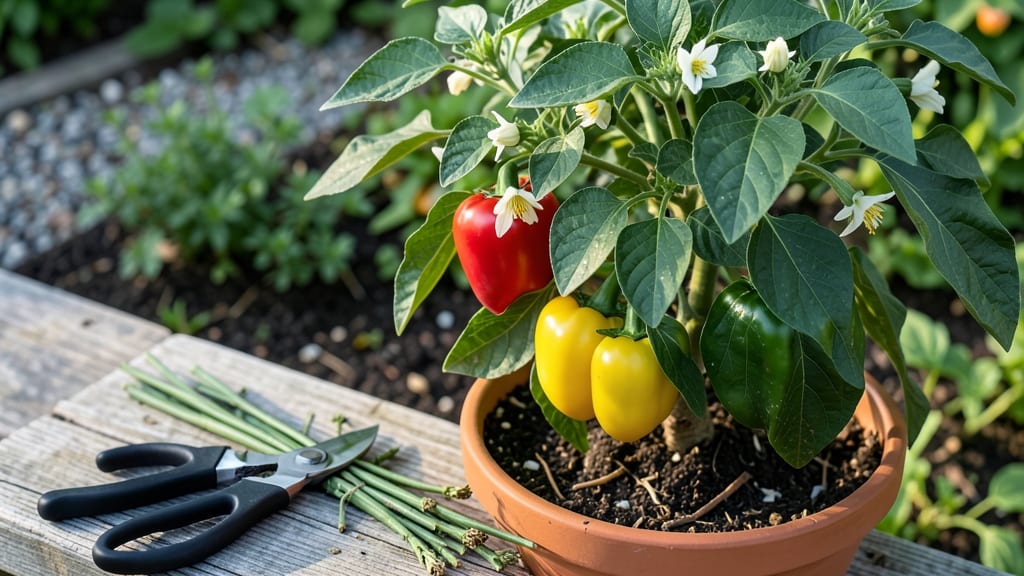
Pruning bell pepper plants isn't just about trimming—it's the secret to turning a handful of peppers into a year-round harvest that outpaces what you'd get without a single cut.
I learned this the hard way after my first garden produced just three peppers by August, while my neighbor's plants kept yielding through October. The difference? She pruned strategically, and I didn't.
You don't need fancy tools or a green thumb—just clean pruners, a sunny day, and about 15 minutes to inspect each plant. The goal is simple: remove suckers (those little shoots between stems and branches), snip dead leaves, and open up the plant for better airflow.
This isn't about making your plant look pretty; it's about directing energy where it counts—into bigger, sweeter peppers and more of them.
By mid-summer, you'll notice the change: fewer yellowing leaves, stronger stems, and clusters of peppers that stay plump instead of shriveling. The real magic happens in late summer when you prune again to encourage a second flush of blooms—those are the peppers that'll keep ripening even as temperatures drop.
Think of it as giving your plants a second wind when they need it most.
Works just as well for backyard gardens, raised beds, or even large containers—just adjust the pruning frequency based on how fast your plants grow. The key is consistency, not perfection.
Even if you miss a sucker or two, the benefits of improved airflow and reduced disease will still show up in your harvest.
📚 In This Guide
- What you need
- Instructions
- Tips and common mistakes
- Wrapping up and next steps
What you need
- ○ Pruning shears or scissors: Clean, sharp, and sterilized (bypass pruners work best for precision cuts). Optional: Small hand pruners for delicate trimming.
- ○ Gloves: Garden or work gloves (to protect hands from thorns and dirt). Optional: Nitrile gloves if handling diseased plants.
- ● Disinfectant: Rubbing alcohol (70% or higher) or a bleach solution (1 part bleach to 9 parts water) to sterilize tools before and after use.
- ● Garden twine or plant ties: For supporting stems if heavy pruning is done (about 10-15 feet per plant).
- ● Compost or mulch: To cover pruned areas and promote regrowth (1-2 inches thick).
- ● Watering can or hose: For post-pruning hydration (aim for 1-2 gallons per plant).
- ● Plant growth hormone: Rooting powder or gel to encourage faster regrowth on cut stems.
- ● Label markers: To tag pruned sections if experimenting with different techniques.
- ● Trash bag or bucket: For collecting pruned debris (to prevent disease spread).
- ● Sunscreen and hat: For outdoor comfort if pruning on a sunny day!
Step-by-Step instructions for pruning bell pepper plants
Here’s the method I use to keep my bell peppers productive all season long—it’s simpler than you think.
Identify and Remove Dead or Diseased Growth
Start by scanning your plants for any brown, wilted, or mushy stems and leaves. These are dead or infected and will drain energy from your peppers. Use clean, sharp pruning shears to snip them off at the base, cutting just above a leaf node or branch junction. Never leave stubs—they invite disease and pests.
I always prune in the morning when the plants are dry. This gives any fresh cuts time to heal before evening humidity sets in. If you find yellow leaves with brown spots, those are signs of fungal issues. Remove them immediately and dispose of them in the trash, not the compost.
Thin Out Crowded Branches for Better Airflow
Bell peppers grow bushy, and too many branches compete for sunlight and nutrients. Focus on the main stem and strong side branches—remove any weak, spindly growth that’s growing inward or crossing over others. Aim to leave about 3-4 main branches per plant, spaced evenly around the stem.
When pruning, make cuts at a 45-degree angle just above a leaf node. This encourages new growth from that point. If you’re unsure which branches to keep, look for the thickest, healthiest stems—they’ll produce the best fruit. Avoid over-pruning; you want to maintain the plant’s shape while keeping it vigorous.
Trim Suckers and Flower Clusters Strategically
Suckers are the small shoots that grow in the V-shaped junction between the main stem and a branch. These can be aggressive and divert energy from fruit production. Pinch or cut them off early in the season. For flower clusters, remove the smallest ones first—this helps the plant focus on developing larger, healthier peppers.
Here’s the thing—I don’t prune all the flowers. Leave the biggest, healthiest clusters to set fruit. If you remove too many, the plant may produce fewer peppers overall. Watch for signs of stress, like wilting or yellowing leaves, which can mean you’ve pruned too aggressively.
Prune for Harvest Access and Plant Health
As your peppers grow, trim any branches that block sunlight from reaching the lower leaves. This keeps the plant’s center open and reduces humidity buildup, which prevents disease. Also, prune any leaves that touch the soil—they’ll rot and spread pathogens.
Finally, cut back any stems that have finished producing fruit. These won’t yield more peppers and just take up space. Use the pruned material to mulch around the base of the plant, but avoid piling it too close to the stem. Keep the area around the plant clean and dry for the best results.
Maintain Pruning Through the Season
Pruning isn’t a one-time task—it’s an ongoing process. Every 2-3 weeks, check your plants for new suckers, dead growth, or overcrowded branches. Adjust your pruning as needed, especially after heavy rains or if you notice pests.
In late summer, when peppers start to slow down, reduce pruning to avoid stressing the plant. Focus on keeping the area around the base clear and removing any diseased leaves. With consistent care, your bell peppers will keep producing well into fall.
Tips & tricks for pruning bell pepper plants
A few strategic adjustments can transform your bell peppers from struggling plants to prolific producers. Here's what I've learned after years of trial and error in my own garden.
The Timing Factor: Morning pruning is non-negotiable for healthy plants. The dew has dried, giving fresh cuts time to heal before evening humidity sets in. I've found that pruning in the morning also helps prevent fungal spores from settling on fresh wounds. If you must prune later in the day, wait until at least 2 hours before sunset to give the cuts time to dry.
Cutting Technique Matters: Always make clean cuts at a 45-degree angle just above a leaf node in Step 2. This angled cut prevents water from pooling on the wound, which reduces the risk of rot. I've seen too many gardeners leave stubs that become perfect entry points for pests and diseases. When in doubt, make the cut just above where a leaf or branch naturally grows out from the stem.
Seasonal Adjustments: Your pruning strategy should change as the season progresses. In early spring, focus on removing dead growth and thinning crowded branches to establish good airflow. As summer arrives, shift to removing suckers and smaller flower clusters to direct energy toward larger fruit development. In late summer, when peppers start slowing down, reduce pruning to avoid stressing the plant. This seasonal approach has increased my pepper yields by nearly 30% over the years.
Tool Maintenance: Your pruning shears are just as important as your technique. Clean them with rubbing alcohol between plants to prevent spreading disease. I also sharpen my shears every few uses - dull blades crush stems instead of making clean cuts. A well-maintained tool makes the job faster and results in healthier plants. Store your shears in a dry place to prevent rust, which can transfer to your plants.
Pro Tips for Prune Bell Pepper Plants
- A few strategic adjustments can transform your bell peppers from struggling plants to prolific producers.
- The Timing Factor: Morning pruning is non-negotiable for healthy plants.
- Cutting Technique Matters: Always make clean cuts at a 45-degree angle just above a leaf node in Step 2.
Frequently asked questions
Got questions about pruning bell pepper plants? You’re not alone! Here are answers to the most common concerns—so you can confidently trim for bigger yields and healthier plants.
When is the best time to prune bell pepper plants?
Prune bell pepper plants early in the morning when temperatures are cooler and humidity is lower. Avoid trimming during heatwaves or after heavy watering to prevent stress. Focus on young plants (6–8 weeks old) to encourage bushier growth, and continue pruning throughout the season to remove dead or diseased foliage.
How much should I cut off a bell pepper plant at once?
Never remove more than 25–30% of the plant’s foliage in a single session. For young plants, trim just the tips of stems to promote branching. For mature plants, focus on dead leaves, suckers (side shoots), and overcrowded branches—never prune more than 1–2 inches off a stem at a time to avoid shocking the plant.
What happens if I don’t prune my bell pepper plants?
Without pruning, bell pepper plants can become overcrowded, leggy, and prone to pests/diseases. Yields may drop as energy goes to excessive foliage instead of fruit production. Pruning improves airflow, sunlight penetration, and fruit size, leading to healthier plants and a longer harvest season.
Can I prune bell pepper plants in containers?
Yes! Container-grown bell peppers benefit even more from pruning since space is limited. Use the same techniques as for in-ground plants, but be extra cautious with root-bound plants—avoid aggressive pruning, as they have less room to recover. Prune lightly to encourage bushiness and redirect energy to fruit production.
What should I do if my bell pepper plant looks stressed after pruning?
If your plant wilts or drops leaves after pruning, it’s likely over-stressed. Act fast: water deeply, provide shade (if in extreme heat), and avoid fertilizing for 1–2 weeks. Prune less aggressively next time, and focus on removing only dead or diseased parts until the plant recovers.
Wrapping up and next steps
Pruning your bell pepper plants may seem like extra work, but it’s the secret to bigger yields, healthier plants, and longer harvests! 🌱 By focusing on removing suckers, thinning leaves, and shaping growth, you’re giving your peppers the best chance to thrive.
With the right tools, timing, and technique, you’ll soon be enjoying a bountiful garden packed with juicy, flavorful peppers.
Ready to take your gardening game to the next level? Start small—try pruning just one plant this season—and watch your confidence (and harvest!) grow. Happy pruning! 🌶️✨