
Pruning
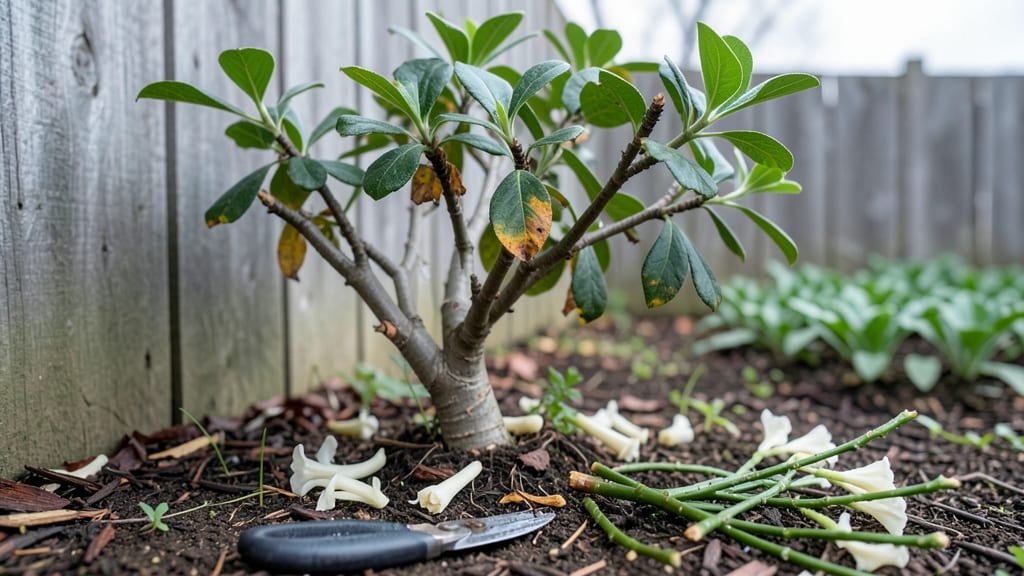
Pruning mock orange plants unlocks their most fragrant, blooming potential—if you do it right. ✨ I’ve learned the hard way that timing and technique make all the difference between a bush bursting with blossoms and one that skips spring’s show entirely.
The key? Three strategic cuts a year, each serving a purpose: cleaning up winter damage, shaping for airflow, and encouraging next year’s flowers.
You’ll need just three tools: sharp pruning shears, a pair of gloves, and a bottle of rubbing alcohol to disinfect cuts. Start in late winter or early spring before new growth appears—this is when mock orange plants are most resilient.
The goal isn’t drastic shaping but removing dead wood, crossing branches, and thinning out crowded spots to let light and air circulate. Every cut should aim at a bud or outward angle to encourage healthy growth.
After pruning, your plant will reward you with glossy new leaves and clusters of intensely fragrant white blooms by late spring. The scent alone is worth the effort—imagine walking past a bush heavy with blossoms in June, their perfume lingering on your clothes for hours.
Just avoid pruning in fall if your variety blooms on old wood, or you’ll sacrifice next year’s flowers.
For best results, feed with a balanced fertilizer in early spring and water deeply after pruning to help the plant recover. Keep an eye out for powdery mildew or aphids, which can take advantage of fresh cuts.
With these seasonal trims, your mock orange will thrive for decades, filling your garden with fragrance year after year.
📚 In This Guide
- What you need
- Instructions
- Tips and common mistakes
- Wrapping up and next steps
What you need
- ● Pruning shears: Bypass pruners (sharp, clean, and 1.5–2 inches capacity) for cutting stems up to ½-inch thick. 1 pair is all you need.
- ● Loppers: Bypass-style (for thicker branches, 1–2 inches thick). 1 pair recommended.
- ○ Hand pruners (felco or equivalent): For precision cuts on smaller stems. 1 pair (optional but helpful).
- ● Disinfectant (70% isopropyl alcohol or pruning sealant): Small bottle to sterilize tools between cuts and prevent disease spread.
- ● Garden gloves: Durable, cut-resistant (e.g., nitrile-coated) to protect hands from thorns. 1 pair.
- ● Rake or broom: For clearing debris after pruning. 1 unit.
- ● Bucket or trash bag: To collect pruned branches. 1–2 (medium-sized).
- ● Pruning saw: If your mock orange has thick, woody stems (>2 inches). 1 saw (e.g., bow saw).
- ● Extension pole: For hard-to-reach branches (especially in large shrubs). 1 pole (adjustable length).
- ● Plant food (balanced fertilizer, 10-10-10): Small bag to nourish the plant post-pruning.
- ● Mulch: Organic or inorganic to protect roots and retain moisture. 1–2 bags.
- ● Safety glasses: If working near the face or in windy conditions. 1 pair.
Step-by-Step guide to pruning your mock orange plant
Here's my foolproof approach to keep your mock orange thriving and flowering beautifully.
✂️ Step 1: Early Spring Cleanup (Late February to Early March)
Start by removing any dead, damaged, or crossing branches first—they compete for energy and can block airflow. I grab my pruning shears and cut just outside the branch collar, where the branch meets the trunk. This ensures clean wounds that heal faster. Look for branches that rub against each other or grow inward; these are your first targets.
Next, trim back any leggy growth from last year. You'll recognize it by its long, bare stems with only a few buds at the tips. Cut these back by about one-third to encourage bushier growth. This is also the time to shape your plant—mock orange responds well to light pruning, so aim for an open, vase-like form. Step back often to check your progress.
✂️ Step 2: Post-Bloom Pruning (Mid to Late Summer)
After your mock orange finishes flowering, usually around June or July, it's time for the second pruning. This is when you'll see last year's spent blooms and any new growth that needs directing. Cut back any branches that have finished flowering by about half their length. This encourages fresh blooms for next season while keeping the plant compact.
Pay special attention to any branches growing outward or downward—they can become unruly. Trim these back to just above a healthy bud or leaf node. I like to make my cuts at a 45-degree angle about ¼ inch above the bud to promote faster healing. This step is all about balancing shape and encouraging new growth in the right places.
✂️ Step 3: Light Winter Pruning (Late Fall to Early Winter)
In late fall, after the leaves have dropped but before the first hard frost, do a final light pruning. Focus on removing any dead, diseased, or weak branches first. Mock orange is naturally tidy, but a little cleanup keeps it looking its best. Cut these out completely at the branch collar to avoid leaving stubs that can attract pests.
Next, trim any branches that are growing too long or out of shape. You don't need to be aggressive—just enough to maintain the plant's natural form. This is also a good time to thin out the center if it's getting too dense. Step back and look at your plant from all angles to ensure it looks balanced. Avoid heavy pruning now, as the plant needs time to recover before winter.
💧 Step 4: Year-Round Maintenance and Care
After each pruning session, give your mock orange a good drink of water to help it recover. I always water deeply right after trimming to reduce stress. Keep an eye out for any signs of stress, like yellowing leaves or wilting branches, which can indicate over-pruning or other issues. Mock orange is generally low-maintenance, but consistent care keeps it looking its best.
Throughout the year, remove any suckers or water sprouts that appear at the base of the plant. These are the small, fast-growing shoots that pop up and can weaken your plant if left unchecked. Snip them off at the base with clean pruning shears. This keeps your mock orange healthy and focused on producing those beautiful blooms.
Tips & tricks for perfect mock orange pruning
These simple tricks will help you keep your mock orange looking its best while maximizing those fragrant blooms.
Tool Tip: Invest in a good pair of bypass pruners—they make clean cuts that heal faster than the jagged edges from anvil pruners. I also keep a small pair of sharp scissors handy for those suckers at the base that pop up throughout the year. Always clean your tools with rubbing alcohol after each use to prevent spreading disease.
Pruning Angle Matters: When you make those 45-degree cuts in Step 2, position the cut just above a bud that faces outward. This encourages new growth in the right direction and helps maintain that open vase shape. I like to visualize an imaginary line from the bud to where I want the branch to grow next.
Seasonal Timing Secret: The three-season schedule in the instructions works because it aligns with your mock orange's natural growth cycle. Early spring cleanup removes winter damage, post-bloom pruning directs energy to next year's flowers, and winter pruning prevents winter stress. Don't deviate from these timelines unless you're in a particularly warm climate.
Recovery Strategy: After heavy pruning sessions like the one-third reduction in Step 1, give your plant a boost by applying a balanced fertilizer two weeks later. I use a 10-10-10 formula diluted to half strength. The deep watering mentioned in Step 4 helps the roots absorb nutrients more efficiently during this recovery period.
Pro Tips for Prune Mock Orange Plant
- These simple tricks will help you keep your mock orange looking its best while maximizing those fragrant blooms.
- Tool Tip: Invest in a good pair of bypass pruners—they make clean cuts that heal faster than the jagged edges from anvil pruners.
- Pruning Angle Matters: When you make those 45-degree cuts in Step 2, position the cut just above a bud that faces outward.
Frequently asked questions
Got questions about pruning your mock orange (Philadelphus) plant? You’re not alone! Here are some of the most common concerns—and straightforward answers—to keep your fragrant beauty thriving.
When is the best time to prune mock orange?
Prune mock orange in three key windows: late winter/early spring (before buds swell), right after blooming (to shape and encourage rebloom), and lightly in late summer (to prep for next year’s flowers). Avoid heavy pruning in fall—it can stimulate tender new growth that won’t survive winter.
Can I prune mock orange after it blooms?
Yes! In fact, pruning right after flowering (late spring/early summer) is ideal. This removes spent blooms and encourages a second flush of flowers. Just avoid cutting back into old wood—mock orange blooms on new growth, so focus on shaping and thinning, not drastic cuts.
What if my mock orange isn’t blooming?
If your plant is skipping flowers, it might be overpruned, underfed, or stressed. Check for:
- Too much heavy pruning (cut back only 1/3 of growth per year).
- Poor light (mock orange needs full sun for blooms).
- Nutrient deficiencies (feed with balanced fertilizer in early spring).
How do I prune mock orange for a bushier shape?
To encourage fuller growth, prune using the “open-center” method:
- Remove dead or crossing branches first (cut at the base).
- Trim back 1/3 of the oldest stems to the ground to rejuvenate.
- Lightly pinch new growth tips in summer to prompt branching.
Can I propagate cuttings from my pruned mock orange?
Softwood cuttings
(from late spring/early summer pruning) root easily. Dip 4–6 inch tips in rooting hormone, plant in moist perlite/sand mix, and keep humid (use a plastic bag). Roots form in 4–8 weeks. Hardwood cuttings (from dormant wood) can also work but take longer.
Wrapping up and next steps
Pruning your mock orange plant doesn’t have to be intimidating—just follow the seasonal rhythm of light trims in late winter, shaping cuts in early summer, and post-bloom maintenance in fall.
With the right tools, timing, and technique, you’ll encourage lush foliage, vibrant blooms, and a healthier plant year after year. 🌿✨
Now that you’re armed with the know-how, grab your pruners and give your mock orange the care it deserves—your garden (and future fragrant blooms!) will thank you. Ready to transform your space? Start pruning today!