
Diseases
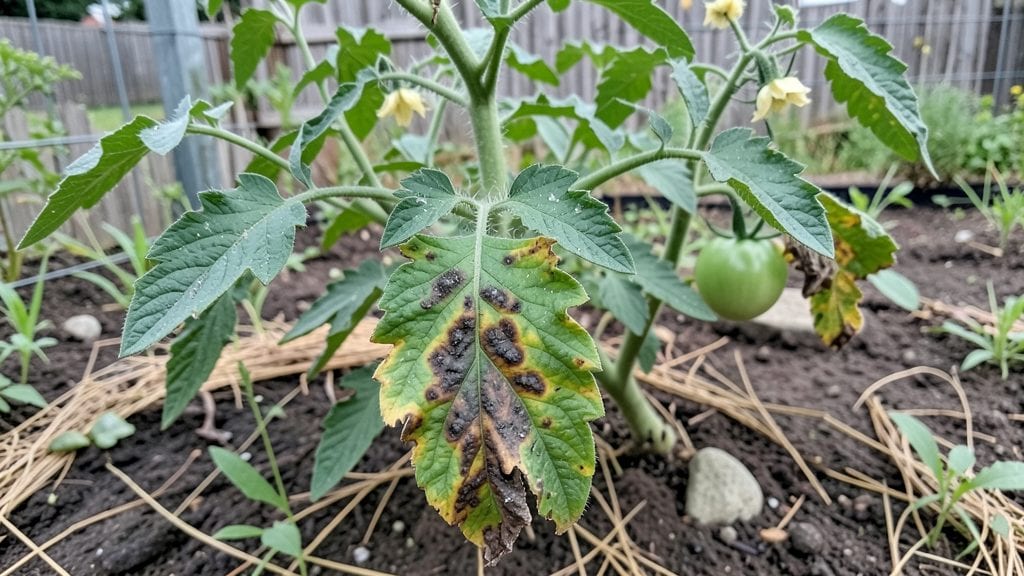
Identifying plant diseases starts with noticing the small details—those strange spots on leaves, the sudden wilting, or the fuzzy growth that looks like cotton. 🌱 I’ve spent years diagnosing plant problems, and the key is learning to read what your plants are telling you before they’re past saving.
A single black spot might mean fungal trouble, while yellowing between veins often signals a virus, and those weird galls on stems? Likely an insect’s handiwork. The sooner you spot these signs, the easier it is to act.
Most diseases leave visual clues that are easier to spot than you think. Powdery mildew looks like dusting flour on leaves, while rust diseases show up as orange pustules. Bacterial spots create water-soaked patches that ooze when touched, and fungal wilts turn stems soft and mushy.
I keep a small magnifying glass handy—it reveals details like spore shapes that help narrow down the culprit. Even a simple smartphone camera can capture close-ups for comparison with disease charts.
Once you recognize the symptoms, the next step is stopping the spread. Prune infected leaves immediately, sterilize your tools between cuts, and avoid overhead watering to keep foliage dry. For stubborn fungal issues, a mix of baking soda and water (1 teaspoon per quart) applied weekly can work wonders.
Early action turns a potential disaster into a quick fix—your plants will thank you with healthier growth and fewer surprises.
This guide breaks down the most common diseases by symptom, plus tools like free apps (like PlantVillage) and lab testing options for tricky cases. Whether you’re dealing with a single infected leaf or a full-blown outbreak, knowing what to look for puts you ahead of the disease.
Let’s get those plants back to thriving!
Root Causes Of Plant Illness
Understanding why plants fall victim to diseases is the first step in prevention and treatment. Plant diseases don’t just appear out of nowhere—they’re often the result of a perfect storm of environmental, biological, and human factors.
Let’s break down the key culprits behind plant illnesses, so you can spot the warning signs before they spiral out of control.
Plants are living organisms, and just like humans, they can’t handle extreme conditions forever. When environmental factors push them past their limits, their defenses weaken, making them vulnerable to infections.
- Extreme Temperatures 🔥❄️ - Too Hot: High temperatures (especially above 90°F/32°C) can cause heat stress, weakening cell walls and making plants susceptible to fungal infections like powdery mildew or bacterial leaf spot.
Heat also speeds up pathogen growth. - Too Cold: Freezing temps damage cell membranes, creating entry points for ice nucleation bacteria (e.g., Pseudomonas syringae), which thrive in frost-heaved tissues. - Actionable Tip: Monitor weather forecasts and use row covers or mulch to moderate soil temps.
- Poor Airflow & Humidity - Stagnant, humid air (above 75% humidity) creates the ideal breeding ground for fungal spores (e.g., Botrytis cinerea, which causes gray mold).
Poor airflow prevents water evaporation, leaving leaves damp for extended periods. - Pro Tip: Space plants properly (follow spacing guidelines for each species) and use fans in greenhouses to improve circulation.
- Excessive Moisture
- Overwatering or poor drainage leads to root rot (caused by Phytophthora or Pythium fungi). Waterlogged soil cuts off oxygen, suffocating roots and inviting pathogens.
- Fix It: Amend soil with compost or perlite and ensure pots/containers have drainage holes.
Diseases are primarily caused by microorganisms that exploit weakened plants. Here’s how they strike:
- Fungi: The Silent Saboteurs - Fungi like rusts, smuts, and blights thrive in moist conditions and spread via spores.
For example: - Puccinia (rust fungi) causes orange pustules on leaves, reducing photosynthesis. - Alternaria (early blight) creates concentric rings on tomatoes and peppers. - Spread Prevention: Remove infected debris immediately and rotate crops to break the fungal life cycle.
- Bacteria: The Fast Invaders - Bacteria (e.g., Xanthomonas or Erwinia) enter through wounds or natural openings like stomata.
They multiply rapidly, clogging plant vessels and causing: - Wilting (e.g., bacterial wilt in tomatoes). - Oozing lesions (e.g., bacterial leaf spot on cucumbers). - Control Tip: Sterilize pruners with rubbing alcohol and avoid overhead watering.
- Viruses: The Stealth Attacks - Viruses (e.g., tobacco mosaic virus) rely on insect vectors (aphids, whiteflies) or contaminated tools to spread.
They alter plant DNA, leading to: - Mosaic patterns on leaves. - Stunted growth or deformed flowers. - Defense Strategy: Use insect-proof netting and remove infected plants immediately (viruses can’t be cured).
A weak plant is an open invitation to diseases. Neglect in nutrition, pruning, or sanitation directly contributes to outbreaks.
- Nutrient Deficiencies
- Lack of nitrogen, phosphorus, or potassium weakens structural integrity, making plants prone to infections. For example:
- Magnesium deficiency (yellowing between leaf veins) reduces chlorophyll, stressing the plant.
- Solution: Conduct a soil test and amend with balanced fertilizer (e.g., 10-10-10 NPK).
- Lack of nitrogen, phosphorus, or potassium weakens structural integrity, making plants prone to infections. For example:
- Physical Damage
- Mechanical injuries (e.g., from hail, improper pruning, or tools) create entry points for pathogens. Even sunburn (white/yellow patches) can open doors to infections.
- Prevention: Prune with disinfected tools and avoid heavy mulch that traps moisture against stems.
- Contaminated Tools & Soil - Reusing pruners, gloves, or pots without cleaning spreads diseases.
Soil-borne pathogens (e.g., Verticillium wilt) can persist for years. - Sanitation Checklist: - Wash tools with soapy water or bleach solution (1 part bleach to 10 parts water). - Solarize soil in spring (cover with clear plastic for 4–6 weeks to kill pathogens).
Some pests don’t just feed on plants—they spread diseases like a bad rumor.
- Sap-Sucking Insects (Aphids, Whiteflies, Leafhoppers)
- These pests inject toxins while feeding and transmit viruses (e.g., cucumber mosaic virus). Their sticky honeydew also attracts sooty mold fungi.
- Combat Them: Use neem oil or introduce ladybugs (natural predators).
- Boring Insects (Japanese Beetles, Borers)
- Larvae tunnel into stems, creating wounds that invite fungal infections like Eutypa dieback in grapes.
- Early Detection: Inspect stems for frass (sawdust-like droppings) or exit holes.
Yes, even gardeners contribute!
Common mistakes include: - Overcrowding: Reduces airflow, trapping humidity and spores. - Ignoring Crop Rotation: Planting the same family (e.g., nightshades like tomatoes, peppers, potatoes) in the same spot encourages soil-borne diseases. - Using Infected Plant Material: Buying or propagating diseased cuttings spreads problems instantly.
Fix It: Follow 3-year rotation schedules and quarantine new plants for 2 weeks before introducing them to your garden.
Quick Fixes for Common Plant Ailments
Once you’ve spotted the signs and pinpointed the problem, it’s time to act! Plant diseases don’t always require harsh chemicals—often, a few targeted steps can turn things around. Below, we’ve matched the most common causes to practical solutions, plus prevention tips to keep your garden thriving long-term.
Causes: Overwatering, poor airflow, humidity, or contaminated soil. Fix It Fast:
- 🔥 Trim the Damage: Snip off infected leaves or stems with sterilized scissors (dip in rubbing alcohol between cuts). Dispose of them in the trash—not your compost!
- 🌬️ Boost Airflow: Thin out crowded foliage and space plants 3–6 inches apart. Use a small fan on low for delicate plants like ferns or orchids.
- 💧 Adjust Watering: Water early in the day so leaves dry quickly. Avoid overhead sprinkling; use drip irrigation or soaker hoses instead.
- 🧴 Apply Fungicides (If Needed): For stubborn cases, use a copper-based fungicide (like Bordeaux mixture) or a neem oil spray (1 tsp neem oil + 1 tsp mild soap per quart of water). Spray undersides of leaves where spores hide.
Prevent Relapses: ✅ Rotate crops if growing vegetables in the same spot yearly. ✅ Sterilize tools after each use to avoid spreading spores. ✅ Mulch properly—keep mulch 2–3 inches away from stems to prevent moisture buildup.
Causes: Sap-sucking insects (aphids, whiteflies) or chewing pests (caterpillars) create wounds that let bacteria/viruses in. Fix It Fast:
- 👨🍳 Blast Off Pests: Spray plants with a soapy water solution (1 tsp mild dish soap per quart of water) or introduce beneficial insects (ladybugs, lacewings) to eat the pests.
- 🔪 Prune Infected Parts: Remove heavily damaged leaves or stems immediately. For viral diseases (like mosaic virus), destroy the plant—viruses can’t be cured.
- 🌡️ Quarantine New Plants: Inspect all additions for pests before bringing them home. Keep them separate for 2 weeks.
Prevent Future Outbreaks: ✅ Encourage biodiversity—plant companion flowers (like marigolds or basil) to repel pests naturally. ✅ Use reflective mulch (aluminum foil or silver plastic) to deter aphids.
Causes: Over/under-fertilizing, poor soil pH, or compacted roots. Fix It Fast:
- 📊 Test Your Soil: Grab a DIY soil test kit (or send a sample to a local extension office) to check pH and nutrient levels. Most plants prefer pH 6.0–7.0.
- 🍎 Feed Smart: For deficiencies (e.g., yellowing leaves = nitrogen lack), use a balanced fertilizer (10-10-10) or compost tea. For toxicities (e.g., brown edges = too much salt), flush the soil with water until it runs clear.
- 🌱 Loosen the Soil: Gently aerate compacted soil with a fork or hose to improve root access to oxygen and nutrients.
Prevent Imbalances: ✅ Mulch annually to retain moisture and slowly release nutrients. ✅ Water deeply but less often to avoid leaching nutrients.
Causes: Sudden temperature swings, harsh sunlight, or windburn. Fix It Fast: - 🌿 Provide Shade: Move potted plants to a shaded spot or use shade cloth (30–50%) for delicate varieties like impatiens. - 💦 Hydrate Properly: Water deeply in the early morning to reduce evaporation.
For heat stress, mist leaves lightly in the evening (avoid fungi-prone plants). - 🛡️ Protect from Wind: Use burlap screens or plant windbreaks (like tall grasses or shrubs) to shield young or tender plants.
Prevent Damage: ✅ Acclimate plants gradually to outdoor conditions (harden off seedlings slowly). ✅ Choose native plants—they’re already adapted to your climate!
For severe cases (e.g., root rot, untreatable viruses), sometimes the kindest act is to propagate healthy parts or start fresh:
- 🌱 Take Cuttings: Snip healthy stems, dip in rooting hormone, and plant in sterile potting mix.
- 🌱 Replace Soil: For root-bound or contaminated soil, repot the plant with fresh, sterile mix and prune dead roots.
Pro Tip: 💡 Keep a garden journal! Note what worked (or didn’t) for each plant—your future self will thank you. And remember: prevention is easier than cure—healthy plants are your best defense!
Frequently asked questions
What are the first signs that my plant might be sick?
Look for unusual leaf spots, discoloration (yellowing or browning), wilting, or stunted growth. Check stems for soft spots, mold, or unusual growths like galls. Early detection is key—catching problems when leaves first show spots or edges curl gives you the best chance to save your plant.
How can I tell if my plant has a fungal disease vs. a bacterial infection?
Fungal diseases often show up as powdery coatings (like mildew) or spots with fuzzy edges. Bacterial infections usually create water-soaked lesions that ooze when touched and have irregular shapes. Fungi also spread slower, while bacteria multiply rapidly and can cause wilting within days.
Are there free tools to help identify plant diseases?
Yes! Use the PlantVillage app (free) to upload photos of symptoms and get instant diagnoses. Cornell University’s Diagnostic Tool (https://plantclinic.cornell.edu) also offers expert analysis. For serious cases, mail samples to your local cooperative extension service—they often test for free or low cost.
Can I save a plant with root rot?
Only if you act fast! Remove the plant from its pot, trim away mushy roots with sterilized scissors, and repot in fresh, well-draining soil. Keep it in bright, indirect light and water only when the top inch of soil feels dry. For severe cases, propagate healthy cuttings instead—root rot spreads quickly and often kills the entire plant.
Why do some plants get diseases while others nearby stay healthy?
Healthy plants have stronger defenses, while stressed ones (from poor soil, overwatering, or nutrient deficiencies) are vulnerable. Genetics play a role too—some varieties are bred for disease resistance. Also, airflow matters: crowded plants trap humidity, creating perfect conditions for fungal spores to thrive.