
Pests
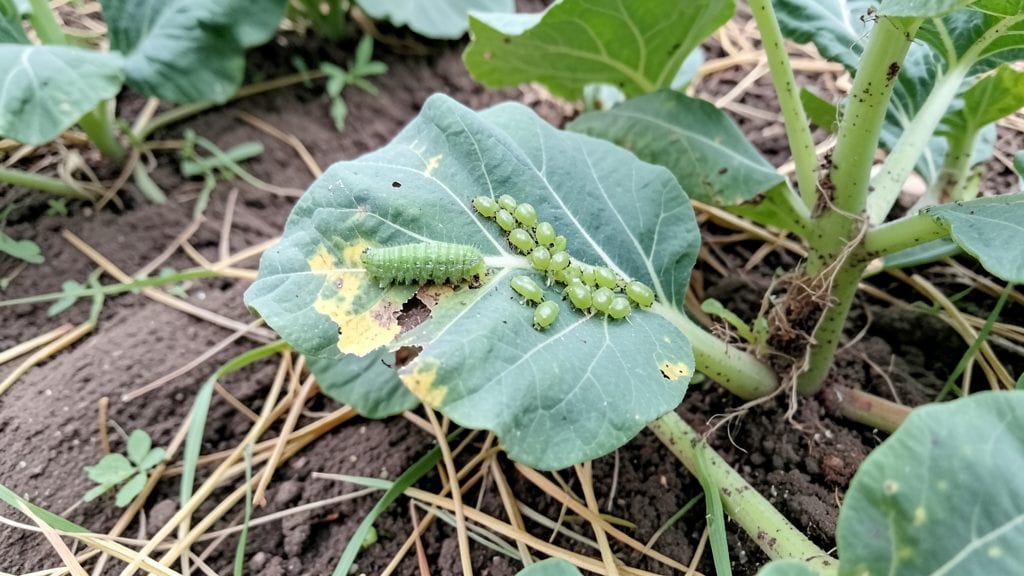
When you spot strange holes or sticky leaves, you're not imagining things—it's time to identify plant pests before they ruin your garden. 🌿 I’ve spent years watching aphids, caterpillars, and spider mites turn vibrant plants into sad, skeletonized shadows, and I’ve learned the telltale signs that save harvests.
The key is acting fast: a few minutes of inspection now can mean the difference between a thriving garden and a lost season.
Most pests leave clues—aphids cluster on new growth, caterpillars chew ragged edges, and spider mites spin fine webbing between leaves. Grab a magnifying glass and check the undersides of leaves first; that’s where the worst offenders hide.
I keep a small bottle of soapy water nearby for quick sprays, and it’s worked faster than anything I’ve bought at the store. The sooner you recognize the damage, the easier it is to stop it.
You’ll learn to spot the difference between harmless leaf miners and destructive beetles, plus when to call in reinforcements. A few targeted sprays or introducing beneficial insects can turn the tide in a week. No more guessing—just clear, actionable steps to keep your plants healthy and your garden growing strong.
This works for vegetables, flowers, and even houseplants, so you’re covered no matter what’s in your care. Let’s get those pests identified and out of your garden for good.
The Hidden Triggers Behind Plant Pests
Understanding why pests target your plants is the first step to stopping them in their tracks. These tiny troublemakers don’t just appear out of nowhere—they’re drawn by specific conditions in your garden or indoor space.
Let’s break down the real reasons pests invade your plants, so you can address the root cause (literally!) and keep your greenery thriving.
Pests love easy meals, and stressed or overcrowded plants are like an all-you-can-eat buffet for them. Here’s why:
- Lack of sunlight weakens plants, making them produce less chlorophyll and more sugary sap—delicious to pests like aphids and spider mites. - Poor air circulation creates damp, humid microclimates where fungal gnats and thrips thrive.
Crowded foliage traps moisture, giving pests the perfect breeding ground. - Nutrient deficiencies (like too much nitrogen or not enough phosphorus) make plants vulnerable. Weak roots and stems can’t fend off attacks from cutworms or root maggots.
Actionable fix: Prune regularly to improve airflow, rotate crops to prevent soil depletion, and use balanced fertilizers to boost plant resilience.
Water is life—but too much of it turns your garden into a pest paradise. Here’s how moisture attracts invaders:
- Soggy soil invites fungal pests like root rot nematodes and slime molds, which thrive in waterlogged conditions.
- Overwatering creates a film of moisture on leaves, perfect for aphids, mealybugs, and whiteflies to lay eggs and feed.
- Poor drainage leads to sap-sucking pests (like scale insects) because the plant’s defenses are compromised.
Actionable fix: Use well-draining soil mixes, elevate pots, and water only when the top inch of soil is dry. Mulch to regulate moisture without suffocating roots.
Healthy soil = happy plants… and happy pests. Here’s why pests flock to nutrient-dense gardens:
- Organic matter overload (like fresh manure or compost) attracts cutworms, slugs, and earwigs, which feed on decomposing material.
- High nitrogen levels (from over-fertilizing) make plants soft and juicy, inviting caterpillars and beetles.
- Old plant debris left in beds provides shelter for overwintering pests like Japanese beetles or colorado potato beetles.
Actionable fix: Use slow-release fertilizers, remove plant debris promptly, and rotate crops to disrupt pest life cycles.
Plants under stress release chemical signals that attract pests. Here’s how environmental factors play a role:
- Temperature swings (too hot or cold) weaken plants, making them susceptible to spider mites and thrips, which thrive in extreme conditions.
- Sudden drought forces plants to conserve water, but this also makes them produce sticky honeydew—a favorite snack for ants and aphids.
- High humidity without airflow encourages powdery mildew and the pests that feed on infected leaves, like leaf miners.
Actionable fix: Use shade cloth in extreme heat, mulch to retain moisture, and use fans to improve airflow in greenhouses.
Sometimes, we bring the pests home. Here’s how:
- Contaminated tools or soil from nurseries, garden centers, or even potted plants can introduce nematodes, scale, or fungal gnats.
- Traveling plants (especially from tropical climates) may carry mealybugs, whiteflies, or psyllids that aren’t native to your area.
- Compost or mulch from unknown sources can harbor grubs, slugs, or wireworms lying in wait.
Actionable fix: Quarantine new plants for 2–4 weeks, sterilize tools with rubbing alcohol, and source soil from reputable suppliers.
Pro Tip: 🔍 Pests often follow a pattern—if you notice an infestation after a specific change (like repotting or fertilizing), that’s your clue to adjust your care routine!
Quick Fixes for Common Plant Pests
Once you’ve spotted the culprit, it’s time to act fast! Below are practical, step-by-step solutions tailored to the most common plant pests—plus prevention tips to keep your garden pest-free long-term. 🌱🚫🐜
Cause: Clustered on new growth, sucking sap and leaving sticky residue (honeydew). Fix:
- Blast them off 💦: Use a strong spray of water (aphids hate this!) or a soapy water solution (1 tsp mild dish soap + 1 quart water). Spray directly on infested areas.
- Introduce predators 🐞: Ladybugs, lacewings, and parasitic wasps love aphids. Buy them online or attract them with neighboring pollinator-friendly plants (like dill or marigolds).
- Neem oil treatment 🌿: Mix 1 tbsp neem oil + 1 tsp mild soap in 1 quart water. Spray every 5–7 days until gone.
Prevent them: ✅ Inspect new plants before bringing them home. ✅ Encourage beneficial insects with diverse plantings. ✅ Remove infected leaves immediately to stop spread.
Cause: Yellowing leaves, fine webbing, and stippled foliage (they thrive in dry heat). Fix:
- Increase humidity 🌧️: Mist plants daily or place a tray of water near them. Spider mites hate moisture.
- Rub them off 🧼: Wipe leaves with a damp cloth + neem oil (1 tsp oil + 1 quart water).
- Horticultural oil spray 🛡️: Apply in the evening (avoid direct sun—it can burn leaves). Reapply every 5–7 days.
Prevent them: ✅ Water deeply and regularly (they love drought stress). ✅ Use reflective mulch (aluminum foil around pots confuses them). ✅ Avoid over-fertilizing (weak plants attract them).
Cause: Tiny white moth-like insects swarming when disturbed; sticky leaves and sooty mold. Fix:
- Sticky traps 🎣: Hang yellow sticky cards near plants to catch adults.
- Yellow soap spray 🧴: Mix 1 tbsp yellow dish soap + 1 quart water. Spray undersides of leaves (where they hide).
- Neem oil + kaolin clay 🌿: Spray neem oil (as above) and dust leaves with kaolin clay (creates a barrier they can’t cross).
Prevent them: ✅ Isolate new plants for 2 weeks before introducing them to your garden. ✅ Encourage wasps (parasitic Encarsia wasps eat whitefly larvae). ✅ Prune heavily infested plants and dispose of them in sealed bags.
Cause: Ragged holes in leaves, frass (poop), and chewed stems. Fix:
- Handpick them 👨🍳: Drop them into soapy water (especially tomato hornworms—they’re huge but harmless to humans!).
- Bacillus thuringiensis (Bt) 🦠: A natural bacterial spray (safe for humans/pets) that kills caterpillars when they eat it. Reapply after rain.
- Row covers 🛡️: Use floating fabric over young plants to block egg-laying moths.
Prevent them: ✅ Remove egg masses (look for tiny green/white clusters on undersides of leaves). ✅ Plant trap crops (like nasturtiums or dill) to lure them away. ✅ Rotate crops yearly to disrupt their life cycle.
Cause: White powdery spots (mildew) or orange rust spots (rust)—often from poor airflow or wet foliage. Fix:
- Baking soda spray 🧂: Mix 1 tsp baking soda + 1 tsp oil + 1 quart water. Spray every 7–10 days.
- Copper fungicide 🛡️: Follow label instructions for organic or chemical options.
- Improve airflow 🌬️: Prune crowded plants and space them wider.
Prevent them: ✅ Water at the base (never overhead). ✅ Avoid overhead irrigation (drip systems are best). ✅ Choose resistant varieties (e.g., ‘Liberty’ zucchini resists powdery mildew).
Before spraying any treatment (especially homemade mixes), test on a small leaf to avoid burning tender foliage. 🌿🔍
If pests are out of control (e.g., entire leaves eaten or plants wilting):
- Isolate the plant 🏚️ (move it away from others).
- Prune damaged parts ⚔️ (sterilize shears with rubbing alcohol).
- Reapply treatments 🔄 every 3–5 days until gone.
- Consider replacing if the plant is too stressed to recover.
Remember: The key to long-term pest control is prevention + early action. A healthy plant is a happy, pest-resistant plant! 🌟
Frequently asked questions
How do I tell the difference between spider mites and aphids?
Spider mites are tiny (hard to see without a magnifying glass) and leave fine webbing on leaves, while aphids are larger, clustered, and produce sticky honeydew. Check leaf undersides—aphids hide there, but spider mites thrive in dry heat and cause stippling on foliage.
Can I use vinegar to kill plant pests?
White vinegar can help with soft-bodied pests like aphids or mealybugs, but it’s not a complete solution. Mix 1 tablespoon vinegar + 1 teaspoon dish soap + 1 quart water and spray directly on pests. Avoid using it on delicate plants or in hot sun—it can burn foliage.
What’s the best time of day to inspect plants for pests?
Early morning is ideal—pests like aphids and whiteflies are sluggish then, making them easier to spot. Avoid midday heat, which can dry out pests and make them harder to see. Use a hand lens (10x magnification) for tiny invaders like spider mites or thrips.
Will beneficial insects actually work against pests?
Ladybugs eat aphids, lacewings target caterpillars, and parasitic wasps attack whiteflies. Order them online or attract them naturally with pollinator-friendly plants like dill, marigolds, or fennel. Release them in the evening when they’re most active.
How do I know if my plant is too far gone to save?
If more than 50% of leaves are eaten, the plant is wilting severely, or pests have moved to the roots (check soil for grubs), it’s likely beyond saving. Isolate it immediately to prevent spread. For less severe damage, prune affected areas and treat aggressively.