
Diseases
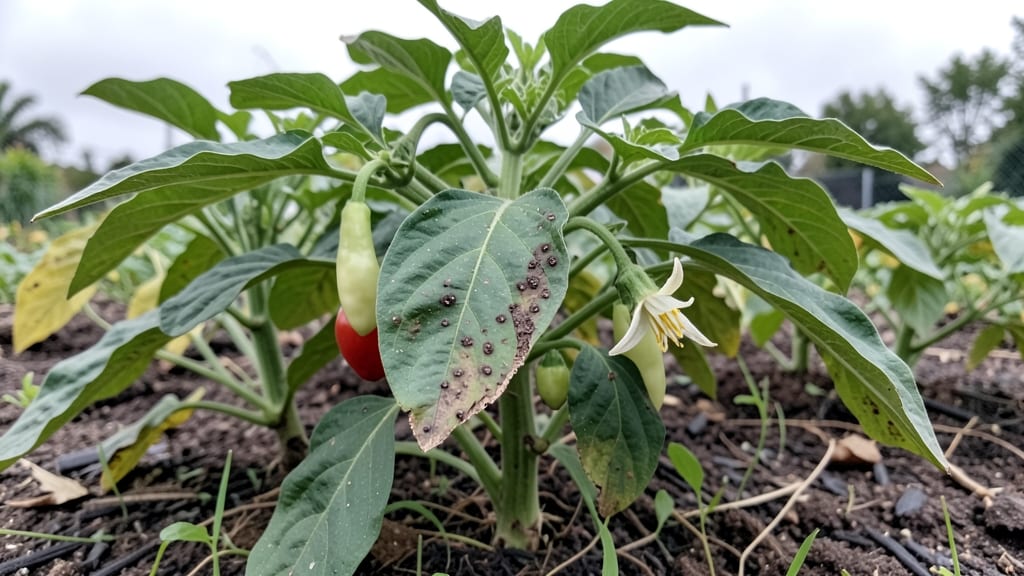
Jalapeño pepper plant diseases can turn your fiery harvest into a sad, spotted mess—unless you catch them early. 🌿 I’ve watched my own plants go from vibrant green to crispy brown in weeks because I ignored the first warning signs.
The good news? Most of these threats respond to simple fixes if you act fast.
Fungal infections like early blight and powdery mildew thrive in damp, crowded conditions, while bacterial spots spread like wildfire when leaves stay wet. Proper spacing (18–24 inches apart) and watering at the base—never overhead—cuts the risk dramatically. I’ve saved entire plants by adjusting just these two habits.
Once you spot the problem, organic sprays like neem oil or copper fungicide can stop fungal spread in its tracks. For bacterial issues, prune infected leaves immediately and sterilize your tools.
The key is speed: a single day of delay can mean the difference between a healthy plant and a lost harvest.
This isn’t about fear—it’s about knowing the enemy. With the right prevention and quick action, your jalapeños will stay strong, productive, and ready for the kitchen. Let’s get your plants back on track before the next harvest.
Root Causes Behind Pepper Woes
Jalapeño pepper plants, like all living organisms, are susceptible to diseases when their delicate balance is disrupted. Understanding why these issues arise is the first step to preventing them. Below, we break down the key factors that create the perfect storm for fungal and bacterial infections in your peppers.
Fungi thrive in moisture-rich environments, and jalapeños—with their broad leaves and dense foliage—are prime real estate for spores. Here’s why wetness becomes a problem:
- Poor Air Circulation: Crowded plants or overwatering create stagnant, humid microclimates where fungal spores like Phytophthora (root rot) and Alternaria (leaf spot) multiply rapidly. 💡 Pro Tip: Space plants 12–18 inches apart and prune for airflow.
- Overhead Watering: Splashing water onto leaves spreads spores from soil to foliage, accelerating diseases like Fusarium wilt. 🔥 Avoid: Water at the base, never from above.
- Nighttime Dew or Rain: Prolonged leaf wetness (over 12 hours) gives fungi the upper hand. ✨ Solution: Use drip irrigation and mulch to reduce soil moisture retention.
Bacteria like Xanthomonas (bacterial spot) and Pseudomonas (blight) don’t just appear—they hitchhike through injuries. Here’s how they gain entry:
- Mechanical Damage: Pruning shears, hail, or even insect bites create open doors. 🔥 Prevent: Sterilize tools with 70% isopropyl alcohol between uses.
- Insect Vectors: Aphids and thrips spread bacterial ooze (a sticky residue) as they feed, infecting healthy tissue. 🌡️ Combat: Spray neem oil or insecticidal soap weekly.
- Contaminated Water or Soil: Reusing infected compost or non-sterile potting mix introduces pathogens. 🎯 Fix: Solarize soil (cover with clear plastic for 4–6 weeks) to kill lurking bacteria.
A jalapeño plant under stress is like a person with a weakened immune system—diseases strike fast. Common nutrient-related triggers include:
| Deficiency/Excess | Resulting Problem | How to Fix |
|---|---|---|
| Nitrogen (N) Deficiency | Stunted growth → more susceptible to fungal leaf spots | Apply balanced fertilizer (10-10-10) or composted manure |
| Phosphorus (P) Deficiency | Poor root development → easier entry for Phytophthora | Use bone meal or rock phosphate at planting |
| Calcium (Ca) Deficiency | Blossom end rot (indirectly) → cracked skin invites bacteria | Add crushed eggshells or calcium nitrate to soil |
| Excess Moisture + Poor Drainage | Root rot (Pythium) from waterlogged soil | Amend soil with perlite/sand; raise beds for better drainage |
Jalapeños are tropical plants, but temperature swings and humidity spikes throw them off balance:
- High Heat + Humidity: Ideal for Anthracnose (a fungal disease). 💡 Adapt: Provide afternoon shade in zones 9–11.
- Cool Nights (<50°F/10°C): Slows plant metabolism, making them vulnerable to Bacterial Leaf Spot. ✨ Solution: Use row covers or cold frames.
- Sudden Rain After Drought: Causes osmotic stress, weakening cells and inviting Fusarium. 🎯 Prepare: Mulch to stabilize soil moisture.
🔍 Key Takeaway: Most jalapeño diseases are opportunistic. By addressing moisture, wounds, nutrition, and climate, you remove the invitation—leaving your plants healthier and more resilient.
How to Fix Common Jalapeño Pepper Ailments
When your jalapeño plants show signs of distress, acting fast can save your harvest—and your sanity! Below, we break down targeted fixes for the most common diseases, from quick remedies to long-term prevention.
Think of this as your jalapeño plant first-aid kit, packed with practical steps to restore health and keep your peppers thriving.
🍄 Powdery Mildew: Scrub and Shield
Cause: White, powdery coating on leaves (usually from poor airflow or humidity).
Fix:
- 🔪 Prune infected leaves immediately with sterilized scissors. Dispose of them in the trash not the compost.
- 🌧️ Spray with a homemade remedy: Mix 1 tbsp baking soda + 1 tsp dish soap + 1 gallon water. Apply in the early morning to avoid burning leaves.
- ⚡ Boost airflow: Space plants 12–18 inches apart and use a small fan on low speed (3–5 mins/day) to dry leaves faster.
Prevent: Water at the base, not overhead, and avoid planting jalapeños where tomatoes or peppers grew last season (fungi linger!).
🍅 Bacterial Spot: Copper It Out
Cause: Tiny, water-soaked spots that turn brown/yellow (spread by rain or overhead watering).
Fix:
- 🛡️ Copper fungicide: Spray plants every 7–10 days with a copper-based solution (follow label instructions).
- 🚫 Remove and destroy infected leaves/fruit. Do not compost them!
- 💦 Water wisely: Use drip irrigation or soaker hoses, and water early in the day so foliage dries by evening.
Prevent: Rotate crops yearly and sanitize tools with rubbing alcohol (70% or higher) between uses.
🌱 Verticillium/Wilt: Solarize the Soil
Cause: Yellowing leaves, wilting (even in cool weather)—caused by soil-borne fungi that clog plant vessels.
Fix:
- 🔥 Remove infected plants and dispose of them (do not compost).
- 🌞 Solarize the soil: Cover the bed with clear plastic for 4–6 weeks in hot sun to kill pathogens. Add 2 inches of compost afterward.
- 🌱 Plant resistant varieties: Try ‘Carolina Reaper’ or ‘Jalapeño M’ (some hybrids tolerate wilt better).
Prevent: Avoid planting in the same spot for 3+ years. Test soil pH (aim for 6.0–6.8) and amend with organic matter.
🐛 Root Rot: Drain and Disinfect
Cause: Mushy stems, yellowing leaves (from overwatering or poor drainage).
Fix:
- ⏰ Stop watering immediately and let the soil dry out completely (3–5 days).
- 🏗️ Improve drainage: Mix in perlite or coarse sand to heavy soil, or raise beds with wood chips.
- 🌿 Repot healthy plants in fresh, sterile potting mix if container-grown.
Prevent: Use pots with drainage holes and water only when the top 1–2 inches of soil are dry. Mulch with straw to retain moisture without suffocating roots.
(Included for completeness—though not fungal/bacterial, these mimic disease symptoms!)
🌡️ Heat Stress: Cool Down the Plants
Cause: Yellowing leaves, curled edges (from temps above 90°F or lack of shade).
Fix:
- 🌳 Provide shade: Use shade cloth (30–50%) during peak afternoon sun.
- 💧 Water deeply in the morning to cool roots (avoid wetting leaves).
- 🌿 Mulch heavily with straw or grass clippings to insulate soil.
Prevent: Plant jalapeños in spring or fall (not mid-summer) or choose heat-tolerant varieties like ‘Numex Twilight’.
🍅 Blossom End Rot: Boost Calcium
Cause: Dark, sunken spots on fruit ends (from calcium deficiency or uneven watering).
Fix:
- 🥛 Fertilize with calcium: Sprinkle crushed eggshells or use a calcium nitrate solution (1 tbsp/gallon water).
- 💧 Water consistently: Keep soil evenly moist—never let it dry out completely between waterings.
- 🌱 Side-dress with compost for steady nutrient supply.
Prevent: Test soil calcium levels (ideal: 100–200 ppm) and avoid over-fertilizing with nitrogen.
💡 Pro Tip: Always sterilize your tools between plants to avoid spreading diseases. Wipe pruners with rubbing alcohol or a 10% bleach solution (rinse well). For severe infections, consider crop rotation—jalapeños are part of the nightshade family, so avoid planting them where tomatoes, peppers, or eggplants grew last year.
Frequently asked questions
What are the first signs of disease in jalapeño plants?
Look for yellowing leaves, white powdery coatings (powdery mildew), or dark spots on foliage and fruit. Early blight shows as concentric rings on leaves, while bacterial spots appear as water-soaked marks that turn brown. Check both upper and lower leaf surfaces—many issues start there.
Can I save a jalapeño plant already showing severe disease symptoms?
It depends on the disease! For fungal issues like powdery mildew, prune infected areas and apply neem oil immediately. Bacterial problems are trickier—often the whole plant must be removed to prevent spread. If roots are healthy, you might save the plant with proper care, but severe wilting or rot usually means it’s too late.
How often should I inspect my jalapeño plants for diseases?
Check your plants weekly, especially after rain or high humidity. Focus on the undersides of leaves where spores often hide. Morning inspections work best—diseases spread faster in damp evening conditions. If you spot anything suspicious, act within 24 hours for best results.
Are there disease-resistant jalapeño varieties I should consider?
Yes! Look for hybrids like ‘Jalapeño M’ or ‘Carolina Reaper’ which show better resistance to common fungal diseases. These varieties often handle Verticillium wilt and bacterial spot better than traditional strains. Always check seed packets for disease resistance ratings before planting.
What's the best way to sterilize my gardening tools to prevent disease spread?
Wipe tools with 70% isopropyl alcohol or soak them in a 10% bleach solution (1 part bleach to 9 parts water) for 5 minutes. Rinse thoroughly and let dry completely between uses. Never skip this step—contaminated tools are a major disease transmission route between plants.