
Plants
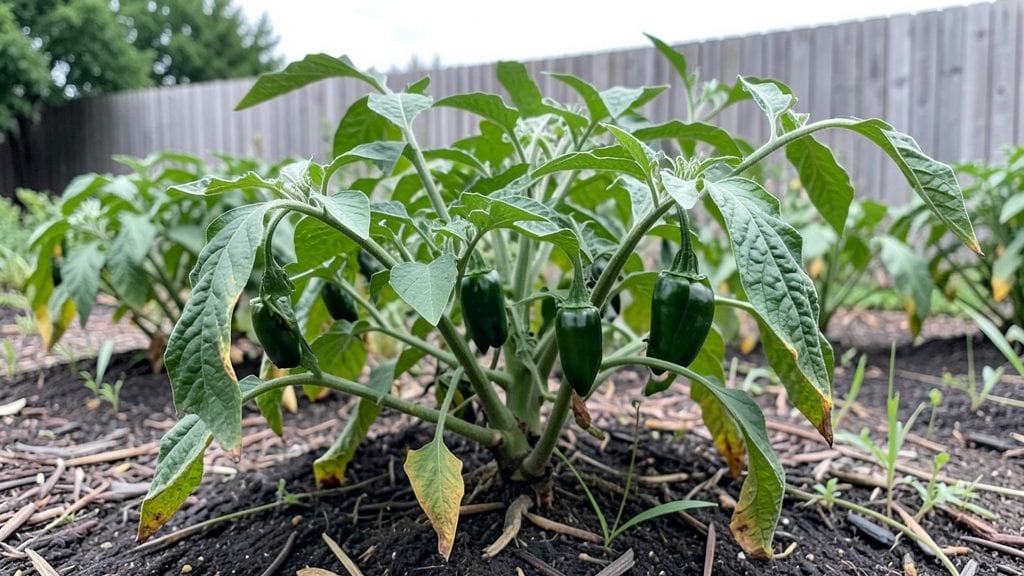
When your jalapeño plants start wilting, it’s usually a cry for help—not a death sentence. 🌿 I’ve nursed back more than a few plants from root rot and fungal stress, and the key is acting fast before the roots give up entirely.
The good news? Most wilting jalapeños can bounce back with the right care, and you might even salvage this season’s harvest.
Overwatering is the #1 culprit, but underwatering, pests, or even too much heat can trigger wilting too. The first step is checking the soil: if it’s soggy or smells foul, you’re dealing with root rot. If it’s bone-dry, the plant is thirsty.
Either way, stop watering immediately—let the soil dry out before you water again. Meanwhile, trim any blackened or mushy roots if you can, and repot in fresh, well-draining mix.
What you’ll notice within a week is new growth pushing through, and those wilting leaves will perk up as the roots recover.
The plants may take a few weeks to fully rebound, but with consistent moisture checks and a little shade during hot afternoons, they’ll be back to producing peppers in no time. The secret? Balance—never let them sit in wet soil, but don’t let them dry out completely either.
For long-term health, mulch around the base to keep moisture steady and improve soil drainage. If the wilting keeps happening, it might be time to test your soil for nutrient deficiencies or pests like aphids or spider mites.
But in most cases, this rescue method works—just give your peppers the time and care they need to bounce back.
Root Causes Behind Wilting Jalapeños
Understanding why your jalapeño plant is wilting starts with identifying the underlying stressors. These plants, like all peppers, are sensitive to environmental and care-related imbalances. Let’s break down the most common culprits—each with a clear scientific explanation and actionable insights to help you diagnose the issue.
💧 The silent killer of jalapeño roots
Jalapeños thrive in well-draining soil, but overwatering—or planting in containers without drainage holes—can lead to root rot (Phytophthora or Pythium fungi). When roots sit in soggy soil for prolonged periods, they suffocate, unable to absorb oxygen.
This triggers wilting, yellowing leaves, and a foul smell at the base of the stem.
Why it happens:
- Anaerobic conditions (lack of oxygen) force roots to switch to inefficient fermentation for energy, weakening the plant.
- Fungal growth thrives in waterlogged soil, clogging root cells and blocking nutrient uptake.
Actionable fix:
- Test soil moisture by sticking your finger 1–2 inches deep—water only if dry.
- Upgrade containers with drainage holes and use cactus/succulent mix (50% perlite/pumice).
- Avoid saucers under pots unless emptied daily.
🌵 When thirsty roots scream for help
While overwatering is a common villain, underwatering can also cause wilting. Jalapeños need consistent moisture, especially during flowering/fruiting. When soil dries out completely, roots plasma membranes rupture, disrupting water transport to leaves. This leads to sudden wilting, crispy edges, and stunted growth.
Why it happens:
- Osmotic stress occurs when roots can’t pull water from dry soil, causing turgor pressure loss (the "plumpness" in cells).
- Root shrinkage reduces surface area for absorption, accelerating decline.
Actionable fix:
- Water deeply (1–1.5 inches) when the top 1–2 inches of soil feel dry.
- Mulch heavily (2–3 inches of straw or wood chips) to retain moisture.
- Use drip irrigation for even distribution, especially in heatwaves.
🍃 When the soil runs out of fuel
Wilting can signal nutritional starvation, particularly nitrogen (N) or potassium (K) deficits. Nitrogen fuels leaf growth, while potassium regulates water and nutrient transport. Without these, jalapeños wilting, yellowing (chlorosis), or weak stems appear.
Why it happens:
- Nitrogen deficiency: Leaves turn pale green/yellow (starting at older leaves) as the plant cannibalizes protein stores.
- Potassium deficiency: Leaves develop brown scorch at edges, and roots struggle to osmoregulate (balance water/salt intake).
Actionable fix:
- Soil test first (pH 6.0–6.8 is ideal for peppers).
- Feed with balanced fertilizer (e.g., 10-10-10) at planting, then potassium-rich (e.g., banana peel tea or greensand) during fruiting.
- Avoid over-fertilizing—burnt roots worsen wilting!
🐜 Hidden invaders stealing your plant’s strength
Root-feeding pests (e.g., aphids, spider mites, or nematodes) and soil-borne diseases (e.g., verticillium wilt) can sever roots or block vascular pathways, causing wilting. Look for:
- Stunted growth + chewed roots (pests).
- Vascular discoloration (brown streaks in stems; diseases).
Why it happens:
- Nematodes puncture roots, creating entry points for fungi/bacteria.
- Fungal pathogens (e.g., Fusarium) clog xylem vessels, halting water transport.
Actionable fix:
- Inspect roots when repotting—prune damaged areas with sterilized scissors.
- Apply neem oil (for pests) or copper fungicide (for diseases).
- Rotate crops—never plant peppers in the same spot yearly.
🌡️ When the weather turns against your peppers
Jalapeños are tropical plants—they wilting when exposed to:
- Extreme heat (>95°F): Stomata (leaf pores) close to conserve water, causing heat stress wilting.
- Cold snaps (<50°F): Cell membrane damage occurs, disrupting nutrient flow.
- Strong winds: Transpiration overload (water loss > uptake) leads to sudden droop.
Why it happens:
- Heat stress triggers abscisic acid (a plant hormone that signals wilting).
- Cold damage causes ice crystal formation in cells, rupturing them.
Actionable fix:
- Shade cloth (30–50%) during heatwaves.
- Row covers for cold protection (remove during day for pollination).
- Windbreaks (e.g., bamboo screens) reduce desiccation.
🌱 When roots take a beating
Moving jalapeños—even carefully—can sever fine root hairs, which are critical for water absorption. Wilting within 1–3 days of transplanting often signals root trauma.
Why it happens:
- Root pruning during repotting reduces surface area for uptake by 30–50% temporarily.
- Compaction from rough handling crushes roots, limiting oxygen flow.
Actionable fix:
- Water deeply 24 hours before transplanting to reduce shock.
- Use a root stimulator (e.g., mycorrhizal fungi) post-transplant.
- Avoid deep planting—bury only up to the first set of leaves.
Pro Tip: 🔍 Diagnose like a detective:
- Check soil moisture (stick your finger in—no guesswork!).
- Inspect roots (gently wash soil off a small sample).
- Look for patterns (e.g., wilting in one pot vs. others? Pests?).
- Adjust one variable at a time (e.g., watering, then nutrients).
Revive Your Wilting Jalapeños Now
A drooping jalapeño plant can feel like a disaster, but with the right moves, you can often turn things around before it’s too late. Below, we’ll break down the most common causes of wilting and give you practical, step-by-step solutions—plus tips to keep your peppers thriving long-term.
Let’s get your plants perking up again!
Signs: Yellowing leaves, mushy stems, foul-smelling soil, or a plant that collapses when touched.
🔥 Step 1: Stop Watering Immediately
Cut off all water to prevent further rot. Let the soil dry out for 24–48 hours before reassessing.
🍳 Step 2: Check the Roots
Gently remove the plant from its pot (or dig up a portion of the soil if in-ground) and inspect the roots:
- Healthy roots are firm and white.
- Rotten roots are brown, mushy, or smell like decay.
Trim away any mushy or blackened roots with sterilized scissors (wipe with rubbing alcohol).
👨🍳 Step 3: Repot in Fresh Soil
- For potted plants: Choose a pot with drainage holes (if it doesn’t have them, drill some!).
Use a well-draining cactus or vegetable mix (avoid heavy garden soil). - For in-ground plants: Dig a hole twice as wide as the root ball, mix in perlite or coarse sand (20% of the soil) to improve drainage, and replant. - Pro tip: 💡 Add a 1-inch layer of gravel or small rocks at the bottom of the pot to prevent future waterlogging.
🥘 Step 4: Adjust Your Watering Habits
- Water only when the top 1–2 inches of soil are dry (stick your finger in to check!).
- Water deeply but infrequently—jalapeños hate soggy feet.
Aim for 1–1.5 inches per week, including rainfall. - Use the “soak and dry” method: Water thoroughly until it drains from the bottom, then wait until the soil is dry before watering again.
⏰ Step 5: Boost Recovery with Fungicide (If Needed)
If root rot is severe, treat the plant with a copper-based fungicide or hydrogen peroxide spray (1 part 3% H₂O₂ to 9 parts water) to kill fungal spores. Reapply every 7–10 days for 3 weeks.
🌱 Prevention Tips:
- Upgrade your pots if they lack drainage.
- Mulch around the base (but not touching the stem) to retain moisture without suffocating roots.
- Avoid watering at night—wet foliage encourages fungal growth.
Signs: Crispy leaf edges, wilting that worsens in the afternoon, or soil pulling away from the pot sides.
💦 Step 1: Water Deeply & Slowly
- Morning is best: Water in the early hours so leaves dry before evening.
- Use room-temperature water (cold water shocks roots).
- Water at the base—avoid wetting leaves to prevent disease.
🌡️ Step 2: Provide Temporary Shade
If temperatures exceed 90°F (32°C), move potted plants to a shadier spot (east-facing or under 30% shade cloth). In-ground plants? Use a breathable shade cloth draped loosely over them.
🎯 Step 3: Increase Humidity (If Needed) Jalapeños love 40–60% humidity.
If your air is dry (common in homes or hot climates): - Mist leaves lightly in the morning (avoid evening). - Place a tray of water near the plant (but not touching the pot). - Group plants together to create a microclimate.
✨ Step 4: Mulch to Retain Moisture
Spread 2–3 inches of organic mulch (straw, wood chips, or shredded leaves) around the base (keep it 2 inches away from the stem). This locks in moisture and keeps roots cool.
💡 Prevention Tips:
- Monitor soil moisture with a moisture meter or your finger.
- Self-watering pots can help if you’re prone to forgetting.
- Drip irrigation is ideal for in-ground plants—it delivers water slowly at the roots.
Signs: Yellowing leaves (especially older ones), stunted growth, or leaves curling inward.
📊 Step 1: Flush the Soil
If you’ve over-fertilized, leach out excess salts by watering the plant slowly with plain water for 10–15 minutes until it drains from the bottom.
💪 Step 2: Feed with the Right Nutrients
Jalapeños need a balanced fertilizer (look for 10-10-10 or 5-5-5 on the label).
Here’s how to apply: - For potted plants: Mix ½ tsp of fertilizer per gallon of water every 4–6 weeks during growing season. - For in-ground plants: Sprinkle 1 tbsp of granular fertilizer around the base (not touching the stem) and water deeply.
🥗 Step 3: Fix Specific Deficiencies
- Nitrogen (yellow lower leaves): Use a fish emulsion or compost tea.
- Potassium (weak stems, yellow edges): Try a banana peel tea (steep peels in water for 2 weeks).
- Calcium (blossom end rot on peppers): Sprinkle crushed eggshells around the base or use calcium nitrate.
🍎 Prevention Tips:
- Test your soil (DIY kits are cheap!) to know what’s missing.
- Avoid fertilizing in extreme heat—roots can’t absorb nutrients well.
- Compost regularly to improve soil health naturally.
Signs: Chewed leaves, sticky residue (aphids), or tiny holes in foliage.
🔪 Step 1: Identify the Culprit
Common jalapeño pests:
- Aphids (tiny green/black bugs)
- Spider mites (tiny webs on undersides of leaves)
- Caterpillars (visible holes or frass—tiny droppings)
👨🍳 Step 2: Remove Pests Manually
- Blast off aphids with a strong stream of water.
- Handpick caterpillars (drop them in soapy water).
- Wipe leaves with a neem oil-soaked cloth (1 tsp neem oil + 1 quart water).
🥘 Step 3: Apply Natural Repellents
- Neem oil spray: Mix 1 tbsp neem oil + 1 tsp mild soap + 1 quart water.
Spray every 5–7 days until pests are gone. - Insecticidal soap: Use 1 tbsp per quart of water (test on a small leaf first). - Beneficial insects: Release ladybugs or lacewings to eat aphids naturally.
🌱 Prevention Tips:
- Inspect plants weekly—catch pests early!
- Remove fallen leaves/debris (pests hide there).
- Rotate planting spots yearly to disrupt pest cycles.
Final Thought: Most wilting jalapeños can bounce back with the right care—just act fast and address the root cause (literally!). Once your plant recovers, it’ll reward you with spicy, flavorful peppers all season long. 🌶️🔥
Frequently asked questions
Why does my jalapeño plant wilt suddenly even when the soil feels moist?
Sudden wilting with damp soil usually signals root rot from overwatering or poor drainage. The roots suffocate when they can't breathe, causing the plant to collapse. Check for mushy, foul-smelling roots—if present, stop watering immediately and repot in fresh, well-draining soil with perlite.
Can I save a jalapeño plant if the stems are soft and black?
Soft, black stems mean root rot has spread—the plant may not recover. However, if only the lower stems are affected, trim above the healthy green tissue, repot in sterile soil, and treat with a copper fungicide. For severe cases, start fresh with cuttings if possible.
How often should I water jalapeños to prevent wilting?
Water when the top 1–2 inches of soil are dry—about 1–1.5 inches per week total (including rain). Use the "soak and dry" method: water deeply until it drains, then wait until the surface is dry before watering again. Morning watering prevents evening wilting from heat stress.
Are wilting jalapeños safe to eat if they recover?
Yes! Once the plant recovers, the peppers are safe to harvest. The wilting was a stress response, not a toxin. However, if the plant was treated with fungicides or pesticides, wait 7–14 days before eating peppers to allow residues to break down.
What’s the fastest way to revive a wilting jalapeño plant?
Act immediately: trim damaged roots, repot in fresh soil, and place in bright, indirect light. Give it a neem oil spray (1 tbsp/quart water) to prevent pests, and keep soil consistently moist (not soggy) for 7–10 days. Avoid fertilizing until new growth appears.