
Companion Plants
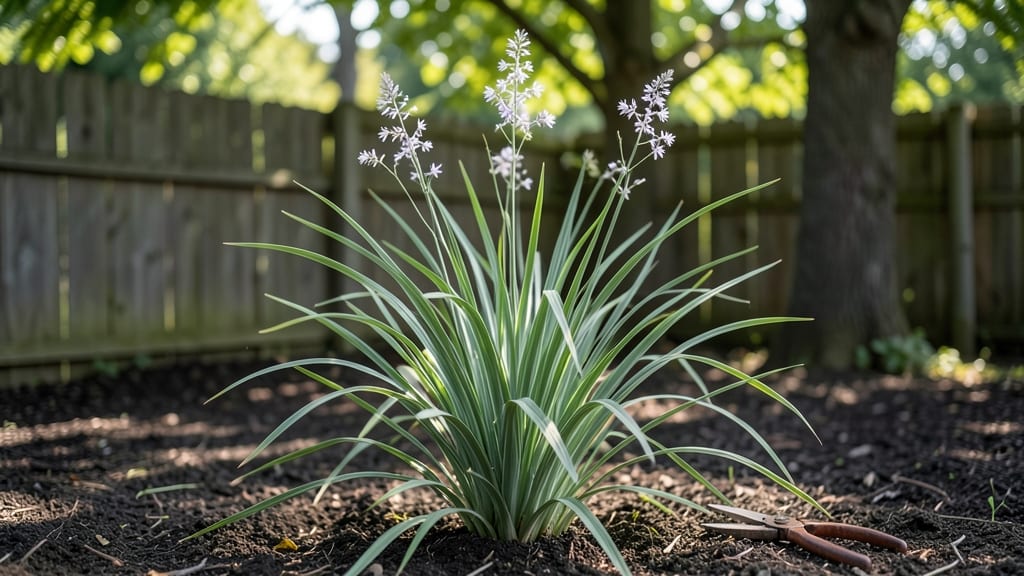
Growing large citronella plants means turning your patio into a mosquito-free zone without the need for harsh chemicals. 🌿 I’ve grown these towering grasses for years, and their bold, citrusy scent keeps bugs at bay while adding dramatic vertical interest to any container garden.
The key is giving them room to spread—these aren’t your average 2-foot shrubs. With the right care, they’ll reach 5-6 feet tall, creating a natural barrier that actually works.
You’ll need a 5-gallon container or larger for each plant, since their roots spread aggressively. Well-draining soil mixed with sand or perlite prevents rot, and they thrive in full sun—at least 6-8 hours daily.
Water deeply when the top inch feels dry, but avoid soggy soil, which is their biggest enemy. Most gardeners underestimate their thirst, so I’ve learned to check the soil before watering.
By midsummer, you’ll have lush, fragrant clumps that outperform store-bought repellent candles. The leaves release oil naturally when crushed, so brushing against them as you pass by keeps bugs away.
Prune back leggy stems in early spring to encourage bushier growth, and harvest leaves anytime for homemade oil or fresh bundles.
Works in zones 9-11, but can be overwintered indoors near a sunny window. If you’ve struggled with flimsy citronella plants before, this method delivers thick, robust growth that lasts all season. Ready to grow your own bug-repelling giants?
📚 In This Guide
- What you need
- Instructions
- Tips and common mistakes
- Wrapping up and next steps
What you need
- ● Citronella seeds or nursery plants: 4–6 seeds (if starting from scratch) or
- ● 1–2 healthy nursery-grown citronella plants (preferred for faster growth).
- ● Large containers: Minimum 12-inch diameter (or larger) with drainage holes.
- ● Material: Terracotta, fiberglass, or plastic (terracotta helps regulate moisture).
- ● Quantity: 1 container per plant (or shared if pruned regularly).
- ● High-quality potting mix: 50% well-draining soil (e.g., cactus/succulent mix) +
- ● 50% organic matter (compost, coconut coir, or perlite for aeration).
- ● Quantity: ~3–5 gallons per container.
- ● Slow-release fertilizer: Balanced formula (e.g., 10-10-10) or citrus-specific fertilizer.
- ● Application: Mix 1–2 tbsp per gallon of soil at planting.
- ○ Mulch (optional but recommended): Wood chips, straw, or pine bark to retain moisture and suppress weeds.
- ● Quantity: 1–2 inches spread over soil surface.
- ● Pruning shears (sterilized with rubbing alcohol).
- ● Trowel or small shovel for planting/transplanting.
- ● Watering can with a rose attachment (gentle watering = happy roots!).
- ○ pH testing kit (optional but helpful—citronella prefers 6.0–7.0).
- ● Gloves (to protect from sap and soil).
- ○ Support stakes or trellis (optional for tall varieties, like Cymbopogon nardus).
- ● Sunlight: Full sun (6+ hours daily)—citronella is a sun-worshipper! 🌞
- ● Watering routine: Keep soil consistently moist but not soggy (drought-tolerant once established).
- ● Climate: Thrives in USDA Zones 9–11; in colder zones, grow as annuals or overwinter indoors.
- ● Patience: Large plants take 6–12 months to reach mosquito-repelling maturity!
Step-by-Step instructions for growing towering citronella plants
Here’s how to cultivate those impressive, mosquito-banishing giants—starting from seed and keeping them thriving in containers.
🌱 Step 1: Start Seeds Indoors for Early Growth
Citronella seeds germinate best with warmth and patience. Fill a 4-inch seed tray with moistened seed-starting mix and scatter seeds on the surface—no need to bury them. Press lightly so they make contact with soil, then cover the tray with plastic wrap to retain humidity. Place in a warm spot (75-80°F) like on top of a fridge or near a sunny window.
Keep the soil consistently damp (not soggy) until germination, which can take 2-4 weeks. Once sprouts appear, remove the plastic and move them to a bright location with 6+ hours of indirect light daily. You’ll know they’re ready for transplanting when seedlings develop their first set of true leaves—these will look like tiny, serrated versions of the mature plant’s foliage.
🪴 Step 2: Transplant to Larger Containers
Choose 5-gallon containers with drainage holes for each plant—citronella’s deep roots need room to stretch. Fill the bottom third with a mix of potting soil and perlite (50/50 ratio) to improve drainage. Gently remove seedlings from their trays, keeping roots intact, and place them in the new pots. Bury them to the same depth they were in their seed tray.
After transplanting, water deeply until it drains from the bottom. Citronella hates soggy roots, so ensure excess water escapes freely. Place the pots in a spot with full sun exposure (6+ hours daily) and protect them from strong winds, which can damage their delicate stems. You’ll see new growth within 2-3 weeks if conditions are right.
☀️ Step 3: Maintain Sun, Water, and Pruning
Citronella thrives in full sun, so rotate pots weekly to prevent lopsided growth. Water when the top 1-2 inches of soil feel dry—stick your finger in to check. Overwatering is the fastest way to kill these plants, so err on the side of slightly dry soil rather than soggy. Feed with a balanced liquid fertilizer (10-10-10) every 4-6 weeks during the growing season to encourage robust foliage.
Prune regularly to shape the plant and boost mosquito-repelling oils. Trim back leggy stems and spent flowers to encourage bushier growth. You’ll notice stronger fragrance and denser foliage after pruning—this is your cue that the plant is thriving. In colder months, bring pots indoors near a sunny window or under grow lights to keep them alive for next season.
✂️ Step 4: Harvest and Propagate for Long-Term Use
Harvest leaves as needed by snipping stems just above a leaf node. The more you prune, the bushier the plant grows—ideal for a lush, mosquito-free patio. To propagate, take 4-6 inch cuttings from healthy stems, strip the lower leaves, and dip in rooting hormone. Plant in moist potting mix and cover with a plastic bag until roots form (3-4 weeks).
Citronella’s natural oils peak in late summer, so time your pruning to maximize fragrance. You’ll know it’s working when you can smell the fresh, lemony scent wafting through the air—nature’s bug spray at its finest. With proper care, these container giants will keep your outdoor space bite-free for years.
Tips & tricks for growing towering citronella plants
These plant-care secrets will help you coax those mosquito-repelling giants to their fullest potential—without the guesswork.
Germination Warmth Hack: Citronella seeds need that consistent 75-80°F warmth to germinate, but don't overthink the setup. I've successfully used the top of my fridge (where it's warm) or placed the tray on a seedling heat mat set to low. The key is maintaining that humidity with plastic wrap while keeping the soil damp—not soggy. Pro tip: Use a spray bottle to mist the soil daily rather than pouring water, which can dislodge seeds.
Transplanting Technique: When moving your seedlings to those 5-gallon containers in Step 2, focus on the root system. Gently tease apart tangled roots before placing them in the new pot—this encourages better root spread. The 50/50 potting soil and perlite mix is crucial here; perlite prevents compaction, which citronella roots absolutely hate. After transplanting, give the soil a thorough watering until it drains completely from the bottom—this flushes out any air pockets that could suffocate new roots.
Light Management Strategy: While citronella loves full sun, don't rush them into intense afternoon rays after transplanting. Start with morning sun only for the first week, then gradually increase exposure. I've seen many well-intentioned gardeners scorch young plants by moving them straight to full sun. For indoor overwintering, supplement with grow lights if natural light falls below 6 hours daily—citronella won't tolerate dim conditions during its dormant phase.
Pruning Payoff: The regular pruning mentioned in Step 3 isn't just about shaping—it's about maximizing those mosquito-repelling oils. When you trim back leggy stems, you're stimulating new growth at the base, which produces more fragrant foliage. I like to prune just after watering when the stems are pliable. For propagation cuttings, always use 4-6 inch sections with at least 2-3 leaf nodes—the more nodes, the better chance for robust root development in those 3-4 weeks.
Pro Tips for Large Citronella Plants
- These plant-care secrets will help you coax those mosquito-repelling giants to their fullest potential—without the guesswork.
- Germination Warmth Hack: Citronella seeds need that consistent 75-80°F warmth to germinate, but don't overthink the setup.
- Transplanting Technique: When moving your seedlings to those 5-gallon containers in Step 2, focus on the root system.
Frequently asked questions
Got questions about growing large citronella plants in containers? You’re not alone! Here are answers to the most common queries to help you cultivate a thriving, mosquito-repelling giant.
How long does it take for a citronella plant to grow large enough to repel mosquitoes?
A healthy citronella plant typically reaches mosquito-repelling maturity (3–5 feet tall) in 6–12 months, depending on sunlight, soil quality, and care. Start with a 1-gallon container and repot as it grows—patience pays off for stronger, more aromatic foliage!
Do large citronella plants need extra watering compared to smaller ones?
Yes! Larger citronella plants in containers dry out faster due to their size. Water deeply 2–3 times per week (daily in extreme heat) and ensure pots have drainage holes. Pro tip: Check soil moisture 2 inches down—if it’s dry, it’s time to water!
Can citronella plants survive winter in containers, or do I need to bring them inside?
Citronella is tender to frost—most varieties thrive in USDA zones 10–11. For colder climates, move pots indoors before temps drop below 40°F (4°C). Place near a sunny window or under grow lights to keep it alive until spring. Bonus: Prune lightly before winter to encourage bushier regrowth!
Are there alternatives to citronella for repelling mosquitoes if my plant isn’t working?
Pair citronella with these mosquito-deterring companions:
- Lemongrass – Similar citrusy scent, fast-growing.
- Catnip – Contains nepetalactone, 10x more effective than DEET!
- Basil – Bonus: Edible and doubles as a culinary herb.
- Marigolds – Pyrethrum compounds naturally repel pests.
Why isn’t my large citronella plant smelling strong enough to keep mosquitoes away?
Weak scent? Check these fixes:
- Sunlight: Citronella needs 6+ hours of direct sun daily—move it to a sunnier spot.
- Pruning: Trim leggy growth to encourage dense, fragrant foliage.
- Fertilizer: Use a balanced liquid fertilizer (10-10-10) every 4–6 weeks.
- Pests: Spider mites or aphids can stress the plant—spray with neem oil if needed.
Wrapping up and next steps
Growing large citronella plants in containers is a game-changer for keeping mosquitoes at bay while adding beauty to your space! 🌿 With the right care—sunlight, well-draining soil, and occasional pruning—you’ll enjoy a fragrant, lush plant that thrives year after year.
Whether you’re a beginner or a seasoned gardener, these mosquito-repelling giants are worth the effort.
Ready to take the next step? Plant your citronella today and watch your outdoor space transform into a mosquito-free oasis! Need more tips? Check out our companion plant guides for even better results. Happy gardening! 🌱