Diseases
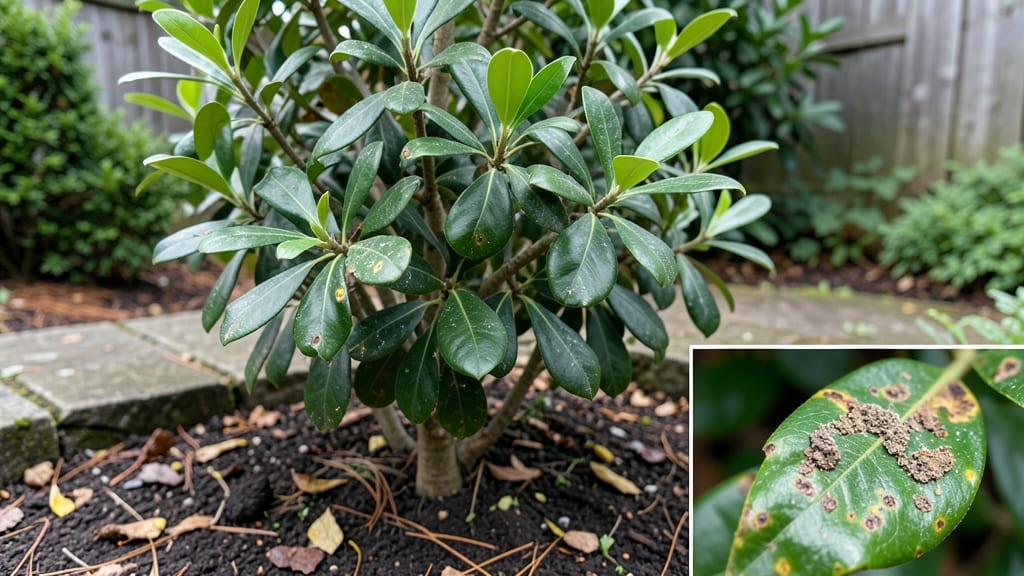
Laurel plant diseases can turn your glossy evergreens into sad, spotted shadows—unless you catch them early. I’ve spent years diagnosing fungal infections on my own laurels, and the key is recognizing those first weird brown spots or sticky leaves before they spread.
Most problems start with too much moisture, poor airflow, or ignoring pruning, but once you know what to look for, fixing them is straightforward.
Fungal diseases like powdery mildew, leaf spot, and root rot each leave their own clues—yellowing leaves, blackened edges, or mushrooms at the soil line. The good news? Pruning out infected branches, applying copper fungicide, and improving drainage can save your plants.
I’ve revived laurels that looked doomed with these simple steps, and the results show up within weeks.
You’ll walk away knowing exactly which disease you’re dealing with and how to stop it before it ruins your shrubs. The secret is acting fast—once the fungus gets a foothold, it spreads like wildfire. With the right tools and timing, your laurels can bounce back stronger than ever.
Whether you’re dealing with a single branch or a whole hedge, these solutions work for both container-grown and in-ground laurels. Let’s get your plants back to their healthy, vibrant selves—no guesswork required.
Root Causes Behind Laurel Woes
Laurel plants, with their glossy leaves and elegant presence, are prized for their ornamental value—but they’re not immune to disease. Understanding why these issues arise is the first step to prevention and treatment.
Below, we break down the most common culprits behind laurel plant diseases, from fungal invaders to environmental stressors.
Fungi are the primary culprits behind most laurel plant diseases, thriving in damp, shaded conditions. Here’s how they strike:
- Excess Moisture: Fungi like Phytophthora and Cylindrocladium (the agents behind root rot and leaf spot) spread rapidly in soggy soil. Overwatering, poor drainage, or heavy rainfall create the perfect breeding ground. Pro tip: 🌡️ Ensure soil stays evenly moist but not waterlogged—test by sticking your finger 2 inches deep; if it’s damp, hold off on watering.
- Warm, Humid Climates: Fungal spores germinate faster in temperatures between 60–85°F (15–30°C). Coastal or tropical regions with high humidity accelerate outbreaks. Actionable fix: 🌬️ Improve airflow with strategic pruning or spacing plants 3–5 feet apart.
- Weakened Plant Defenses: Stressed laurels (from drought, nutrient deficiencies, or physical damage) are easier targets. Fungi exploit wounds or yellowing leaves as entry points. Preventive tip: 💪 Feed with a balanced fertilizer (10-10-10) in early spring to bolster immunity.
Diseases often hitch a ride on poor growing conditions. These factors weaken laurels, making them vulnerable:
| Factor | How It Harms Laurels | Solution |
|---|---|---|
| 💧 Overwatering | Leads to root suffocation, inviting Phytophthora (a deadly root rot). | ⏰ Water deeply 1–2 times per week (adjust for clay soil). Use a moisture meter if unsure. |
| ☀️ Sunburn or Scorch | Excessive sun + dry soil causes leaf edges to crisp, stressing the plant and opening doors for Alternaria (a leaf spot fungus). | 🌳 Provide partial shade (especially in hot afternoons) for young laurels. |
| 🍄 Poor Soil Drainage | Compacted or clay-heavy soil traps moisture, promoting Cylindrocladium (brown spot disease). | 🔥 Amend soil with compost or perlite to improve aeration. |
| 🐞 Pests as Gatekeepers | Sap-sucking insects (like spider mites) weaken leaves, making them prime targets for fungal infections. | 🔍 Spray with neem oil weekly during outbreaks to deter pests. |
Even well-meaning gardeners can accidentally invite trouble. These common practices accelerate laurel plant diseases:
- Overcrowding: Dense foliage traps humidity, creating a fungal paradise. Prune to open the canopy and allow sunlight to dry leaves.
- Ignoring Pruning Hygiene: Using contaminated shears can spread Botrytis (gray mold) from plant to plant. Fix: 🔪 Sterilize tools with 70% isopropyl alcohol between cuts.
- Planting in Low-Lying Areas: Laurels in depressions collect water, fostering root rot. Solution: 🏗️ Elevate soil with a 6-inch mound or install a French drain nearby.
- Using Infected Mulch: Old or diseased mulch harbors fungal spores. Swap for: ✨ Fresh, sterile wood chips or gravel.
By addressing these root causes—whether fungal, environmental, or cultural—you can starve out diseases before they take hold. Next, we’ll dive into how to spot these issues early and how to treat them effectively.
Quick Fixes for Laurel Leaf Troubles
Reviving your laurel plant starts with identifying the right remedy for its specific ailment. Below, we’ve mapped out practical, step-by-step solutions for the most common fungal diseases affecting laurel plants—plus prevention tips to keep your greenery thriving. Let’s turn those brown spots and wilting leaves around!
---
**🔥 Cause: Overhead watering, poor air circulation, or humid conditions.
🍳 How to Treat It: 1. Prune infected leaves 🌿 – Use clean, sharp shears to remove and dispose of (not compost!) leaves with dark spots. 2. Apply fungicide 💊 – Spray with a copper-based fungicide (like Bordeaux mixture) or a neem oil solution (2 tbsp neem oil + 1 tsp mild soap per quart of water). Reapply every 7–10 days until new growth appears. 3. Improve airflow 🌬️ – Thin out dense foliage or space plants 3–4 feet apart to reduce humidity near leaves.
💡 Prevention Tips: - Water at the base (early morning) to keep leaves dry. - Avoid overhead sprinklers—opt for drip irrigation or a watering can with a narrow spout. - Sanitize pruners with rubbing alcohol between cuts to prevent spreading spores.
---
🔥 Cause: High humidity, low light, or crowded plants.
👨🍳 How to Treat It: 1. Wipe leaves gently 🧻 – Use a soft cloth dampened with water and a drop of dish soap to remove white powdery residue. 2. Boost airflow 🌬️ – Move the plant to a sunnier spot (6+ hours of light) and trim nearby foliage. 3. Spray with baking soda mix 🧂 – Combine 1 tsp baking soda + 1 quart water + a few drops of soap. Spray every 3–4 days until mildew clears.
💡 Prevention Tips: - Space plants at least 2 feet apart for better airflow. - Water deeply but less often—let the top inch of soil dry out between waterings. - Rotate pots occasionally to ensure even sunlight exposure.
---
🔥 Cause: Overwatering, poor drainage, or waterlogged soil.
🥘 How to Treat It: 1. Check the roots 👀 – Gently remove the plant and inspect roots. Healthy roots are firm and white; rotten roots are mushy and brown. Trim away the bad ones with sterilized scissors. 2. Repot in fresh soil 🏺 – Use a well-draining mix (add perlite or sand) and a pot with drainage holes. Let the soil dry out completely between waterings. 3. Adjust watering habits 💧 – Water only when the top 2 inches of soil are dry. Use a moisture meter if unsure.
💡 Prevention Tips: - Never let laurel sit in saucers of water—empty excess after watering. - Avoid heavy clay pots—opt for terracotta or fabric pots for better breathability. - Mulch lightly (1–2 inches) to retain moisture without suffocating roots.
---
🔥 Cause: Alternate hosts (like juniper trees) nearby, spreading fungal spores.
🔪 How to Treat It: 1. Remove infected leaves 🗑️ – Collect and burn or trash (do not compost) leaves with orange pustules. 2. Apply sulfur or copper fungicide 🛡️ – Spray every 2 weeks until new growth is free of rust. 3. Monitor nearby junipers 🌲 – If possible, remove or treat alternate hosts to break the disease cycle.
💡 Prevention Tips: - Space laurel plants far from junipers (at least 10 feet). - Prune for airflow—rust thrives in shaded, damp conditions. - Clean up fallen leaves regularly to reduce spore spread.
---
If your laurel is wilting or stunted (not necessarily fungal), try this quick recovery plan: 1. Fertilize lightly 🌱 – Use a balanced 10-10-10 fertilizer (half-strength) in spring. 2. Adjust sunlight ☀️ – Most laurels need full sun to partial shade; move indoors if leaves scorch.
3. Check for pests 🐜 – Inspect for spider mites or scale insects (wipe with soapy water if found).
--- 🎯 Final Pro Tip: Test your soil 📊 – Laurels prefer slightly acidic to neutral soil (pH 6.0–7.0). Use a soil test kit to adjust with lime (to raise pH) or sulfur (to lower it) if needed.
With these fixes, your laurel should bounce back in 4–6 weeks**—just stay consistent with care! 🌿✨
Frequently asked questions
Why do my laurel leaves turn brown at the edges?
Brown edges usually signal underwatering or sunburn. Check soil moisture—water when the top 1-2 inches feel dry. If leaves are crispy but soil is moist, your laurel needs more shade, especially in hot afternoons. Move it to partial shade (4-6 hours of sun) for recovery.
Can I save a laurel with black spots and yellow leaves?
Yes, but act fast! Prune off all infected leaves (don’t compost them) and apply a copper fungicide every 7-10 days. Improve airflow by spacing plants 3-4 feet apart and water at the base—not overhead. If roots are rotting, repot in fresh, well-draining soil with perlite.
What’s the difference between leaf spot and powdery mildew?
Leaf spot shows as dark brown/black spots with yellow halos (often from overhead watering), while powdery mildew is a white, powdery coating on leaves (caused by high humidity). Treat leaf spot with neem oil; mildew responds to a baking soda spray (1 tsp baking soda + 1 quart water + soap).
How often should I fertilize a diseased laurel?
Wait until the plant shows new growth (usually 4-6 weeks after treatment). Then, use a balanced 10-10-10 fertilizer at half strength in early spring. Avoid fertilizing if roots are damaged—focus on recovery first. Over-fertilizing stressed plants worsens problems.
Will pruning help prevent future diseases?
Prune to remove 1/3 of the oldest growth annually to improve airflow. Always use sterilized tools (70% alcohol) and dispose of infected branches. Thin dense areas and avoid overcrowding—laurels need 3-5 feet of space for airflow. Prune in late winter for best results.