
Companion Plants
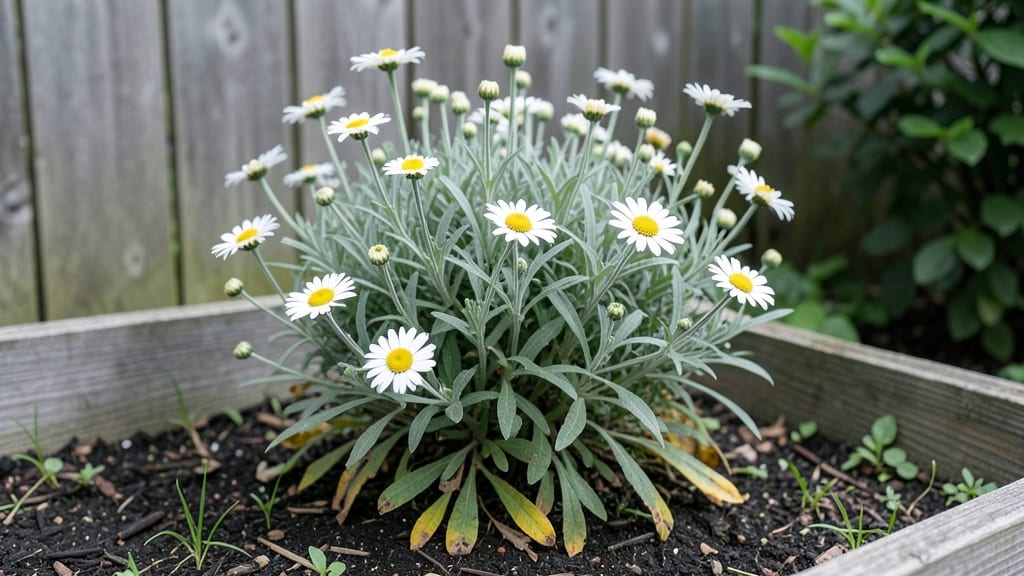
These marguerite daisy plants deliver those cheerful, papery blooms all season with almost no fuss—once you get the soil and sunlight right. ✨ I’ve grown them for years, and they’ve become my go-to for low-maintenance color, whether in pots or garden beds.
The secret? They’re happy in partial sun (4-6 hours of light) and well-draining soil, which keeps their roots from rotting over winter.
Start with 3-4 feet of spacing between plants if you’re tucking them into borders, or crowd them in containers for a lush, cottage-garden look. Water deeply once a week—more in summer heat—and skip the fertilizer unless your soil is bone-dry.
These daisies thrive on neglect, but they’ll reward you with blooms from spring through frost if you avoid soggy soil.
Pruning is optional: just snip back leggy stems in early spring to encourage bushiness, and deadhead spent blooms if you want nonstop flowers. Yellowing leaves? Usually a sign of overwatering—let the soil dry out between drinks.
Pests rarely bother them, but watch for aphids on new growth and blast them off with water.
They’re the ultimate cut-and-come-again plant too—snip a bouquet, and another bloom takes its place within weeks. Perfect for beginners, small spaces, or anyone tired of high-maintenance flowers. Let’s get yours planted!
📚 In This Guide
- What you need
- Instructions
- Tips and common mistakes
- Wrapping up and next steps
What you need
- ● Marguerite Daisy Plants: 3–5 healthy nursery-grown plants (or seeds, if starting from scratch). Choose varieties like Argyranthemum frutescens for vibrant blooms.
- ● Well-Draining Soil: 1–2 cubic yards of pH-balanced (6.0–7.0) garden soil mixed with compost (for nutrients) or perlite (for drainage).
- ● Sunlight Spot: A full-sun location (6+ hours/day)—marguerites love basking!
- ● Watering Can or Hose: With a gentle spray nozzle to avoid disturbing roots.
- ● Fertilizer: A balanced 10-10-10 granular or liquid fertilizer (apply every 4–6 weeks).
- ● Hand trowel or small shovel for planting.
- ● Pruning shears (sterilized) for trimming spent blooms.
- ● Mulch (e.g., pine bark) to retain moisture and suppress weeds.
- ● Garden gloves to protect your hands from thorns (some varieties have them!).
How to grow marguerite daisy plants for continuous color
These cheerful bloomers thrive with just a few key steps—here's how to keep them flowering all season.
🌱 Step 1: Select the Perfect Planting Spot
Marguerite daisies crave full sun—at least 6-8 hours daily. I always choose the sunniest spot in my garden because they simply won't bloom well in shade. The soil should drain quickly, so avoid low spots where water pools after rain.
Test your spot by planting a temporary marker (like a stake) for a week. If it stays dry and gets plenty of direct sunlight, it's perfect. These plants hate soggy roots, so raised beds or slightly elevated areas work best if your yard has heavy clay soil.
🪴 Step 2: Prepare the Soil for Healthy Roots
Work in 2-3 inches of compost or well-rotted manure to loosen the soil and improve drainage. Marguerite daisies aren't fussy about soil pH, but they do best in slightly acidic to neutral conditions (pH 6.0-7.0). If your soil is heavy, mix in 1 part perlite to 3 parts soil to create air pockets.
Dig a hole just as deep as the root ball and about twice as wide. Gently tease apart the roots if they're circling tightly—this encourages outward growth. The plant's crown should sit just above soil level, never buried deeper than it was in the nursery pot.
💧 Step 3: Water Deeply After Planting
Give newly planted daisies a thorough drink right after installation. Water slowly until it seeps 6-8 inches deep—you'll know it's enough when water runs out the bottom of the hole. This helps roots establish quickly in their new home.
After the first week, water only when the top 2 inches of soil feel dry. Overwatering causes root rot, and these plants are surprisingly drought-tolerant once established. I check soil moisture by sticking my finger in—if it's dry at that depth, it's time to water.
✂️ Step 4: Prune Strategically for More Blooms
Deadhead spent blooms by cutting back to the first healthy set of leaves below the flower head. This simple step encourages nonstop flowering all season. I use clean pruners and make cuts at a 45-degree angle just above a leaf node to prevent water from pooling.
In late fall, cut back the entire plant by half its height to tidy up. Don't remove all the growth—leaving some foliage protects the crown from harsh winter winds. In colder climates, add 2-3 inches of mulch around the base to insulate roots.
☀️ Step 5: Feed and Protect for Long-Term Health
Apply a balanced 10-10-10 fertilizer in early spring and again after the first flush of blooms. Marguerite daisies don't need heavy feeding, but a light application every 6-8 weeks keeps them vigorous. Always water before and after fertilizing to prevent root burn.
Watch for powdery mildew on humid days—this is the only real pest these plants face. At the first sign of white powder on leaves, spray with a mix of 1 tablespoon baking soda, 1 quart water, and a drop of dish soap. This homemade remedy clears up the problem without harming beneficial insects.
Tips & tricks for perfect marguerite daisy plants
Here's what nobody tells you about keeping these sun-loving beauties blooming nonstop all season long.
Sunlight Secret: Marguerite daisies need that 6-8 hours of direct sunlight daily—no shortcuts! If your garden has partial shade, consider placing them near a south-facing wall or fence where they'll get reflected sunlight. I've seen them struggle in spots that only get 4-5 hours of sun, even though they're often called "sun-tolerant." Trust me on this: they'll reward you with bigger, brighter blooms when they get their full sun requirement every day.
Soil Prep Game-Changer: The 2-3 inches of compost in Step 2 isn't just about nutrients—it's about creating the perfect airy environment for those roots. If your soil is particularly dense, mix in that 1 part perlite to 3 parts soil ratio right through the planting hole, not just around the edges. I learned this the hard way when my first batch struggled in heavy clay—roots need room to breathe, especially in the first few weeks after planting.
Watering Wisdom: That initial 6-8 inch deep watering after planting is non-negotiable—it's the difference between roots establishing quickly or struggling for weeks. After the first week, resist the urge to water on a schedule. Stick your finger 2 inches deep—if it feels dry, water; if it's moist, wait. I've seen beginners drown these plants by watering every day, and soggy roots are their worst enemy. These plants are surprisingly drought-tolerant once established, but they hate wet feet.
Pruning Pro Tip: When deadheading in Step 4, make those cuts at a 45-degree angle just above a leaf node—this isn't just about looks, it's about directing new growth. I also recommend sterilizing your pruners with rubbing alcohol between cuts to prevent spreading any potential diseases. And here's a bonus: save those spent blooms! Dry them and use them for potpourri or craft projects—nothing goes to waste in my garden.
Pro Tips for Marguerite Daisy Plants
- Here's what nobody tells you about keeping these sun-loving beauties blooming nonstop all season long.
- Sunlight Secret: Marguerite daisies need that 6-8 hours of direct sunlight daily—no shortcuts!
- Soil Prep Game-Changer: The 2-3 inches of compost in Step 2 isn't just about nutrients—it's about creating the perfect airy environment for those roots.
Frequently asked questions
Got questions about growing marguerite daisy plants? You’re not alone! Here are some of the most common queries—plus quick, practical answers to keep your garden thriving with minimal fuss.
How often should I water marguerite daisies?
Water them deeply but infrequently—about once a week (or less in humid climates). These drought-tolerant beauties hate soggy soil, so let the top 1-2 inches dry out between waterings. Pro tip: Mulch around the base to retain moisture and suppress weeds!
When is the best time to plant marguerite daisies?
Spring (after the last frost) or early fall are ideal. They thrive in full sun and adapt well to most well-draining soils. For year-round blooms, plant in USDA zones 3-11—just avoid extreme summer heat if your region gets scorching.
Do marguerite daisies attract pollinators?
Their cheerful, daisy-like flowers are a magnet for bees, butterflies, and beneficial insects. Plant them near veggie gardens to boost pollination—just avoid pesticides. Bonus: They’re deer-resistant, so they’re low-maintenance and eco-friendly!
How do I keep marguerite daisies blooming all season?
Deadhead spent blooms regularly (snip stems just above a leaf node) to encourage nonstop flowering. Light pruning after the first flush of blooms also promotes bushier growth. Warning: Avoid heavy pruning—these plants prefer a relaxed, natural shape!
What are some low-maintenance alternatives to marguerite daisies?
If you love the look but want even less upkeep, try:
- Blackfoot Daisy – Drought-tolerant & self-cleaning
- Shasta Daisy – Classic, long-blooming, and hardy
- Zinnias – Fast-growing annuals with bold colors
- Coneflowers – Tough perennials that thrive in poor soil
Wrapping up and next steps
Marguerite daisies are the perfect low-maintenance companion for any garden, offering cheerful blooms with minimal fuss! Their resilience, adaptability, and stunning visual appeal make them a standout choice—whether you're a seasoned gardener or just starting out. 🌼
Ready to bring some sunshine to your outdoor space? Start by selecting the right variety for your climate, then follow the simple care tips to enjoy year-round beauty. Grab your gloves and get planting—your garden will thank you!