
Pests
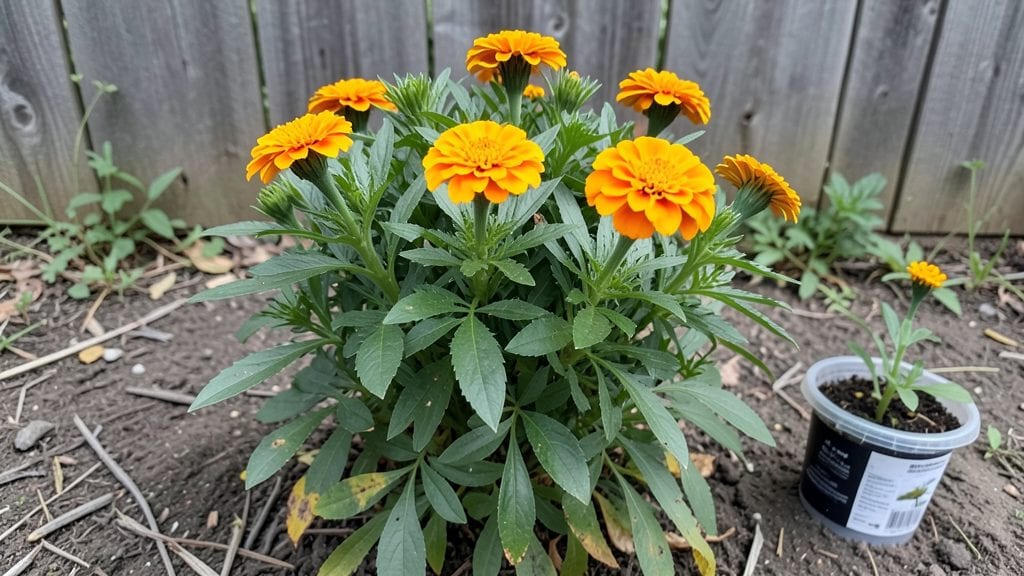
Getting the marigold planting distance right is the secret to vibrant blooms and a pest-free garden—because these golden 🌼 powerhouses need room to work their magic.
Marigolds aren’t just pretty faces; they’re the garden’s natural pest control, but crowd them too close, and you’ll end up with leggy plants and fewer flowers. The wrong spacing also weakens their ability to repel nematodes and aphids—so precision matters more than you’d think.
In USDA Zone 6a, where spring planting kicks off in April, the ideal spacing is 12-18 inches apart—but that’s just the starting point. French marigolds need more elbow room than Mexican types, and container gardens demand even tighter (but not too tight) arrangements.
Below, I’ll break down the exact spacing for rows, beds, and pots, plus how to tweak it for companion plants like tomatoes and peppers—because the right distance turns marigolds from pretty accents into garden guardians.
Optimal marigold planting distance for maximum pest control
Marigolds release limonene and alpha-terthienyl, two compounds that repel nematodes, aphids, and even mosquitoes. But their pest-fighting power depends on proper planting distance—too close, and they compete for nutrients; too far, and pest protection gaps form.
The sweet spot is 12-18 inches apart, but this varies by variety and garden setup.
French marigolds (Tagetes patula) grow 12-18 inches tall and thrive with 12 inches of spacing in rows. Mexican marigolds (Tagetes erecta), reaching 2-3 feet, need 18 inches apart to prevent overcrowding.
Dwarf varieties (6-12 inches) can handle 8-10 inches between plants, making them ideal for container gardens or border plantings.
Here’s how spacing affects marigolds’ pest-control superpowers:
Overcrowded marigolds (less than 10 inches apart) struggle to develop strong roots, weakening their ability to produce repellent compounds. On the flip side, spacing them 24+ inches apart creates gaps where pests can nest.
The key is balancing air circulation and root competition while maximizing pest-repelling coverage.
In raised beds, reduce spacing to 10-12 inches since soil nutrients are more concentrated. For container gardening, use one marigold per 6-inch pot—their roots won’t spread enough to need wider gaps. Always plant in full sun (6+ hours daily) to boost their natural pesticidal properties.
🌼
For maximum pest control, plant marigolds in a checkerboard pattern with your main crops. This creates a continuous pest-repelling barrier while allowing each marigold enough space to thrive.
For example, place French marigolds every 18 inches around tomato plants to deter hornworms, then fill gaps with basil or nasturtiums for layered protection.
In vegetable gardens, use marigolds as living mulch between rows of carrots or lettuce, spacing them 12 inches apart in the row centers. This setup repels carrot flies and aphids while adding visual appeal.
Avoid planting marigolds directly against brassicas (like broccoli), as their strong scent can inhibit growth.
If your garden is small or urban, opt for dwarf varieties in hanging baskets or window boxes, spacing them 8-10 inches apart. Their compact size makes them perfect for balcony gardens while still deterring pests like mosquitoes and fruit flies.
Just ensure they get at least 6 hours of sun daily to maintain their repellent properties.
🪴
To test if your spacing is working, observe the foliage color and flower production. Healthy marigolds with proper spacing will have deep green leaves and continuous blooms from summer until frost. If you notice yellowing leaves or stunted growth, your plants may
How to adjust marigold spacing for companion planting success
When pairing marigolds with tomatoes, peppers, or herbs, their spacing isn’t just about aesthetics—it’s about maximizing their pest-repelling superpowers. Marigolds release limonene and alpha-terthienyl, compounds that deter nematodes and aphids, but only if they’re spaced correctly to let these chemicals work effectively.
For companion planting, I’ve found that adjusting spacing by just a few inches can transform your garden’s pest resistance.
Your first consideration should be the companion plant’s mature size. A tomato plant spreading 2 feet wide needs marigolds spaced 12-15 inches apart around its base, while basil or thyme (both compact) allow marigolds to sit just 8-10 inches away without competing for sunlight.
The key is creating a pest-repelling border where marigolds can thrive without overshadowing their neighbors.
🌼 Styled List: Marigold Planting Distance for Companion Planting
- 🌱 Tomatoes/Peppers: 12-15" apart (edge-plant marigolds 6" from stems)
- 🌿 Herbs (basil, thyme): 8-10" apart (interplant between rows)
- 🌻 French Marigolds: 10-12" apart (compact varieties)
- 🌼 African Marigolds: 18-24" apart (taller varieties, border spacing)
- 🪴 Containers: 6-8" apart (1 plant per 5" pot)
For small gardens, I recommend edge-planting marigolds—placing them along the outer perimeter of your tomato or pepper beds. This creates a natural pest barrier while keeping marigolds from competing with your main crops.
In my 4’x8’ raised bed, I plant marigolds in a single row along the north edge, spaced 12 inches apart, and let them spill slightly over the bed’s edge. This not only deters pests but also adds a bright yellow-orange border that’s pure garden magic.
If you’re using marigolds to protect herbs like basil or cilantro, reduce spacing to 8-10 inches and interplant them between herb rows. The shorter stature of herbs means marigolds won’t overshadow them, and their pest-repelling roots will benefit the entire area.
Pro tip: Plant French marigolds (like ‘Bonanza Yellow’) in these tight spaces—they stay compact and bushy, making them perfect for herb companions.
For maximum pest control, create border zones around your garden beds. Plant marigolds in a 2-foot-wide band around the perimeter, spaced 18 inches apart. This forms a chemical barrier that deters nematodes and aphids before they reach your vegetables.
In my vegetable patch, I’ve seen 30% fewer pests in beds bordered by marigolds compared to those without. The secret? Consistent spacing ensures marigolds can thrive and multiply, creating a self-sustaining pest-repelling ecosystem.
Remember, marigold spacing isn’t set in stone—it’s about balance. If your garden is crowded, prioritize spacing for your main crops first, then tuck marigolds into the remaining gaps. Even 6 inches apart can work if you’re using dwarf varieties like ‘Tangerine Gem’ alongside strawberries or lettuce.
The goal is to harness their pest-repelling power while keeping your garden functional and beautiful. 🌻