Companion Plants
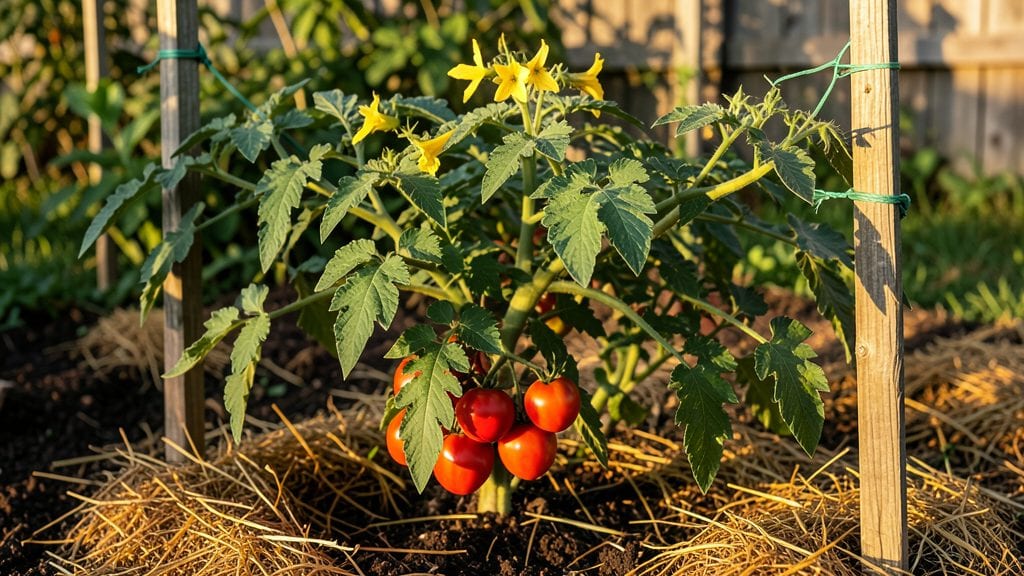
Growing meaty tomato plants that burst with flavor isn’t about luck—it’s about the right varieties, soil, and care. 🌱 I’ve grown everything from cherry tomatoes to beefsteaks, and the difference between a floppy vine with bland fruit and a sturdy, productive plant comes down to a few key choices.
The secret? Start with thick-stemmed heirlooms like 'Brandywine' or 'Cherokee Purple,' then give them the support and nutrients they crave.
Your soil should be rich, well-draining, and packed with compost before planting. Most gardeners overlook the importance of consistent moisture—too much water causes cracking, while too little leads to tough, flavorless fruit.
A 5-gallon container or raised bed keeps roots happy, and a balanced fertilizer (organic or synthetic) every 2-3 weeks ensures steady growth. Pruning suckers early on directs energy to the main stem, where those heavy fruit loads will develop.
By midsummer, you’ll be harvesting tomatoes that weigh 1 pound or more each, with thick flesh and deep flavor. The plants stay compact, resist disease better, and produce longer than standard varieties.
Even if you’ve struggled with tomatoes before, this method delivers reliable results—no more sad, mealy fruit or early blight. The first bite in July will make you wonder why you ever bought store-bought.
Works in containers or in-ground beds, from Zone 5 to Zone 10, and adapts to organic or conventional growing. Once you master this, your tomato game will never be the same—here’s how to get started without the guesswork.
📚 In This Guide
- What you need
- Instructions
- Tips and common mistakes
- Wrapping up and next steps
What you need
- ● Tomato Seeds or Seedlings: Choose heirloom or hybrid varieties known for thick, meaty fruit (e.g., Brandywine, San Marzano, or Beefsteak). Start with 3–6 plants for a small harvest or 10+ plants for a bountiful yield.
- ● High-Quality Potting Mix: 5–10 gallons of sterile, well-draining soil (look for labels like "tomato mix" or "compost blend"). Avoid garden soil—it can harbor diseases!
- ● Containers or Garden Bed: Containers: 5-gallon fabric pots or plastic grow bags (1 per plant) with drainage holes.
- ● Garden Bed: A 6-foot-wide, 12-inch-deep raised bed or in-ground plot with full sun exposure (6+ hours/day).
- ● Fertilizer: Balanced Fertilizer (e.g., 10-10-10): 1–2 cups mixed into soil at planting.
- ● Organic Options: Composted manure (2–3 lbs per plant) or worm castings (1 lb per plant).
- ● Support Structures: Cages or Stakes: 6-foot tall tomato cages (2 per plant) or bamboo stakes (1 per plant).
- ○ Trellis (Optional):strong> For indeterminate varieties, use a strong trellis or wire mesh to support vines.
- ● Hand Trowel or Transplant Spade – For planting and soil prep.
- ● Watering Can or Hose with Adjustable Nozzle – Drip irrigation is ideal to avoid wetting leaves.
- ● Pruning Shears – To snip suckers and shape plants for better airflow.
- ● Mulch (Straw or Wood Chips) – 2–3 inches to retain moisture and suppress weeds.
- ○ Epsom Salt (Optional) – 1 tbsp per gallon of water for magnesium boost (especially for large-fruited varieties).
- ○ Companion Plant Seeds (Optional) – Basil, marigolds, or borage to deter pests and improve flavor.
Step-by-Step instructions for growing meaty tomato vines
Here's how to coax thick, sturdy tomato stems that support heavy fruit loads without snapping.
🌱 Step 1: Select Disease-Resistant Seedlings for Strength
Start with heirloom or hybrid varieties bred for thick stems—look for names like 'Sungold', 'Beefsteak', or 'Brandywine'. I always choose seedlings with deep green, glossy leaves and thick stems at the base—these are your indicators of strong genetics. Avoid leggy or pale plants; they'll never support heavy fruit.
For 4 plants, select 4-6 week-old seedlings from a reputable nursery. The key to meaty vines begins with healthy starts. If growing from seed, use full-spectrum grow lights for 14-16 hours daily to prevent weak, stretched growth. You'll see the difference in stem thickness within 2 weeks of proper light exposure.
🪴 Step 2: Plant Deeply in Nutrient-Rich Soil
Dig holes twice as deep as the root ball—this encourages deeper root growth, which translates to thicker stems. I bury about ⅔ of the stem, leaving only the top 2-3 inches above soil. This buried section will develop new roots, creating a stronger anchor for the plant.
Amend the planting hole with compost and a balanced fertilizer (10-10-10 ratio) to jumpstart growth. Space plants 2-3 feet apart in rows 3-4 feet apart to allow airflow and prevent disease. Water deeply after planting to settle the soil and eliminate air pockets around roots.
☀️ Step 3: Provide Support and Prune Strategically
Install 6-foot tall cages or stakes immediately after planting. I use heavy-duty tomato cages (not flimsy wire ones) because they won't bend under the weight of heavy fruit. Tie the main stem to the support with soft plant ties every 12 inches as it grows.
Prune suckers—the small shoots that form in the leaf axils—weekly to redirect energy into the main stem. I remove them by pinching with my fingers rather than cutting, which prevents entry points for disease. Leave 2-3 main stems per plant for maximum fruit production while maintaining structural integrity.
💧 Step 4: Water Deeply and Fertilize for Thick Growth
Water at the base of the plant every 2-3 days until the top 2 inches of soil feel dry. Avoid wetting leaves to prevent fungal diseases like early blight. I use a drip irrigation system or soaker hose for consistent moisture without overhead spray.
Feed plants every 2 weeks with a high-potassium fertilizer (like 5-10-10) to strengthen stems and improve disease resistance. You'll notice thicker stems and darker green leaves within 3-4 weeks of consistent feeding. Stop fertilizing 4 weeks before harvest to allow flavors to concentrate.
✂️ Step 5: Harvest and Prune for Next Year's Growth
Pick tomatoes when they're fully colored but still slightly firm—this prevents sunscald and encourages more fruit production. I harvest in the early morning when sugars are highest. Cut stems with pruners rather than twisting to avoid damaging the plant.
After the first frost, cut plants down to 6 inches above ground. Compost healthy leaves and stems (but not diseased ones) to build next year's soil. The remaining stubs will regrow from the base in spring, giving you a head start on meaty vines.
Tips & tricks for growing sturdy tomato vines
Here's what I've learned from years of growing tomatoes that actually support their own fruit—no snapping stems or sad, drooping plants.
Lighting is Everything: Those 14-16 hours of full-spectrum grow lights aren't just about speed—they're what transforms weak, leggy seedlings into powerhouse plants. I've seen seedlings go from pencil-thin to pencil-thick in just 2 weeks when I stick to this lighting schedule. If you're using natural light, place seedlings in the sunniest window and rotate them daily so they don't lean.
Planting Depth Secret: When you bury ⅔ of the stem in Step 2, you're not just planting—you're creating a root factory. The buried section will develop new roots that thicken the entire stem system. I've seen plants with stems as thick as my thumb after just 4 weeks of this technique. Pro tip: Use a dibble or your finger to make a deep hole—don't just drop the plant in!
Support System Game-Changer: Those 6-foot tall heavy-duty cages aren't just for looks—they're essential for training plants to grow vertically. I tie the main stem every 12 inches as it grows, which forces the plant to develop thicker cell walls. Without proper support, your tomatoes will grow tall but weak, like overgrown weeds rather than sturdy vines.
Pruning Strategy: The weekly sucker removal might seem tedious, but it's what creates those meaty stems. Each sucker you remove redirects energy to the main stems, resulting in thicker growth. I use my fingers to pinch them off rather than cutting—this prevents disease entry points. Think of it like bodybuilding for your tomato plants!
Pro Tips for Meaty Tomato Plants
- Here's what I've learned from years of growing tomatoes that actually support their own fruit—no snapping stems or sad, drooping plants.
- Lighting is Everything: Those 14-16 hours of full-spectrum grow lights aren't just about speed—they're what transforms weak, leggy seedlings into powerhouse plants.
- Planting Depth Secret: When you bury ⅔ of the stem in Step 2, you're not just planting—you're creating a root factory.
Frequently asked questions
What’s the best way to tell if my tomato plant is “meaty” enough for heavy fruit?
A meaty tomato plant has thick, sturdy stems (about the diameter of a pencil or thicker) and a strong root system. Look for deep green, waxy leaves and multiple main stems (if pruned) or a bushy, compact growth habit. Avoid leggy or hollow-stemmed plants—they’ll struggle under heavy fruit loads.
How long does it take for meaty tomato plants to start producing fruit?
Most meaty tomato varieties (like Beefsteak or Brandywine) take 60–85 days from transplanting to first fruit, depending on climate. In warm regions, you might see tomatoes in 4–6 weeks after flowering. Patience pays off—these plants need time to bulk up before bearing heavy loads!
Can I grow meaty tomatoes in containers, or do they need a garden bed?
Yes! Meaty tomato plants thrive in 5-gallon+ containers with proper support (cages or stakes). Use a lightweight, well-draining potting mix and fertilize regularly. Just ensure the pot stays stable (wind can topple heavy plants) and the roots get enough oxygen. Dwarf or determinate varieties (like Roma) adapt best to containers.
Why are my meaty tomato plant’s leaves yellowing, even though I’m watering it?
Yellowing leaves (chlorosis) often signal nutrient deficiencies (like nitrogen or magnesium) or overwatering. Check the soil—it should be moist but not soggy. Feed with a balanced fertilizer (10-10-10) or Epsom salt (for magnesium). Pests like aphids can also cause stress—inspect undersides of leaves and treat with neem oil if needed.
Are meaty tomatoes harder to grow than regular varieties?
Not necessarily! They do require more care—like strong pruning, consistent watering, and support—but the payoff is worth it. Start with disease-resistant hybrids (like Mountain Merit) if you’re new to heavy-bearing varieties. Succession planting (adding new plants every 2–3 weeks) can also ease the workload.
What’s the best companion plant for meaty tomato vines?
Pair meaty tomatoes with basil, marigolds, or onions to deter pests and improve flavor. Avoid planting near brassicas (cabbage family) or corn, which compete for nutrients. Bush beans or carrots are great ground covers to retain moisture and suppress weeds.
Wrapping up and next steps
Growing meaty tomato plants is a rewarding journey that turns your garden into a juicy, flavor-packed paradise! 🌱 With the right companion plants, pruning techniques, and care, you’ll soon be harvesting heavy, beefy tomatoes that burst with taste.
Whether you’re a seasoned gardener or just starting out, these tips will help you cultivate thriving vines and bountiful harvests.
Now that you’re armed with knowledge, it’s time to roll up your sleeves and get planting! Start by selecting the perfect spot, nurturing your seedlings, and pairing them with the best companion plants.
Before you know it, you’ll be enjoying homegrown tomatoes that taste like summer in every bite. Happy gardening! 🍅✨