
Propagation
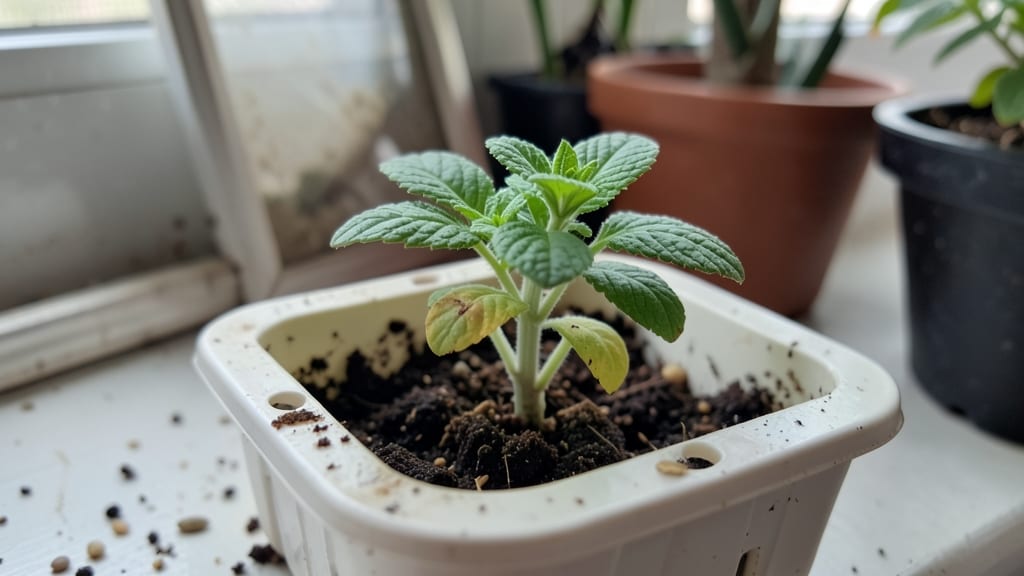
The mint plant germination trick I wish I’d known earlier—soaking seeds in water speeds things up, but don’t rush those first green shoots. 🌱 The secret lies in balancing moisture, warmth, and indirect light to coax those stubborn sprouts through.
Most gardeners swear by cuttings, but seeds let you experiment with heirloom varieties without waiting years for mature plants.
The trick is keeping seeds consistently damp (not soggy) under a clear lid or plastic wrap until you see tiny green hooks breaking the surface. A sunny windowsill or grow light works, but direct sun will fry them before they sprout.
I’ve seen germination in as little as 7-10 days with the right setup—though some stubborn seeds take twice as long.
Once sprouted, mint roots spread aggressively, so transplant carefully into well-draining soil. The first true leaves signal it’s time to pinch back growth to encourage bushiness. By month 3, you’ll have a fragrant, fast-spreading plant ready to conquer your garden—or your neighbor’s property lines.
For best results, start seeds indoors 6-8 weeks before your last frost, or propagate cuttings in water for instant growth. Either way, mint’s resilience makes it the perfect plant for beginners who want quick, reliable results.
📚 In This Guide
- What you need
- Instructions
- Tips and common mistakes
- Wrapping up and next steps
What you need
- ● Mint seeds: 1 packet (approx. 50-100 seeds) – Choose a variety like peppermint, spearmint, or chocolate mint.
- ● Germination container: For water: Small glass jar, clear plastic cup, or seedling tray with a mesh lid.
- ● For soil: Seedling tray (4-6" deep) or small pots (3-4" diameter).
- ● Water: Room-temperature, filtered, or distilled water (avoid tap water if it’s heavily chlorinated).
- ● Potting soil: 1 bag (5-10 lbs) – Lightweight, well-draining seed-starting mix (avoid garden soil).
- ● Spray bottle: Small (8-12 oz) for gentle watering.
- ○ Plastic wrap or humidity dome: To retain moisture (optional but helpful for soil germination).
- ● Grow lights or sunny windowsill: A spot with 6-8 hours of indirect light daily.
- ● Seedling heat mat: Speeds up germination (70-75°F is ideal).
- ● Fertilizer: Mild, water-soluble seed starter fertilizer (diluted to half-strength).
- ● Plant labels: To track varieties and planting dates.
- ● Tweezers: For delicate seed placement.
Step-by-step instructions for germinating mint plants
Here's how to coax mint from seed using two reliable methods—water or soil—each with its own advantages.
🌱 Step 1: Prepare Seeds for Germination
Mint seeds have a tough outer shell, so I always soak them first. Place 1 teaspoon of seeds in a small bowl and cover with 1 cup of warm water at 70-75°F. Let them soak for 12-24 hours—this softens the seed coat and speeds up germination. You'll see the seeds swell slightly when they're ready.
After soaking, drain the water through a fine mesh strainer and let the seeds air-dry for 10 minutes. This prevents mold while keeping the seed coat pliable. I like to spread them on a paper towel to dry evenly. Here's the thing—don't skip this step. Dry seeds won't germinate as reliably, and you'll waste time waiting for sprouts that may never come.
💧 Step 2: Choose Your Germination Method
For the water method, place the soaked seeds between two damp paper towels in a sealed plastic bag. Keep them in a warm spot, like on top of the fridge, where the temperature stays around 70-75°F. Check daily—you'll see tiny white roots emerge in 5-7 days. This method is fastest but requires close monitoring to prevent mold.
For the soil method, fill a small pot with 1 inch of moistened potting mix and press the seeds ¼ inch deep into the surface. Cover lightly with a sprinkle of additional mix and mist gently with water. Place the pot in a clear plastic bag to retain humidity, then set it in a warm, bright spot. You'll notice sprouts breaking through the soil in 7-10 days. This method is more hands-off but takes slightly longer.
☀️ Step 3: Transfer Seedlings to Light
Once you see ½-inch roots (water method) or first true leaves (soil method), it's time to move the seedlings. For water-germinated seeds, gently place each seedling on top of the potting mix in a small pot, pressing lightly to secure. Water lightly to help roots establish contact with the soil.
For soil-germinated seedlings, thin them so only the strongest sprout remains per pot. Place the pots in bright, indirect light for 1 week to avoid shocking the tender leaves. You'll know they're adjusting well when the leaves stay upright and firm, not wilting or yellowing. After a week, gradually introduce 4-6 hours of direct sunlight daily to harden them off.
🪴 Step 4: Maintain Ideal Growing Conditions
Keep the soil consistently moist but never soggy—mint hates waterlogged roots. Water when the top ½ inch of soil feels dry to the touch. Use room-temperature water to avoid shocking the roots. I like to water in the morning so excess moisture evaporates during the day.
Mint thrives in 60-75°F temperatures and moderate humidity. If your home runs dry, group pots together or place them on a tray of pebbles with water to increase humidity. You'll see new growth within 2-3 weeks if conditions are right. Watch for leggy stems—this means your seedlings need more light. Move them closer to a sunny window or under a grow light.
Tips & tricks for perfect mint plant germination
Mint seeds might be stubborn, but these game-changing tricks will help you bypass their tough outer shell and coax those little sprouts to life with confidence.
Soaking Secret: The 12-24 hour soak isn't just about softening—it's about breaking dormancy. Use a thermometer to confirm your water stays at exactly 75°F. If it's cooler, germination slows dramatically. I like to place my bowl of seeds on top of the fridge where it stays consistently warm. The seeds should swell noticeably by the end of this period—if they don't, give them another 6 hours.
Temperature Matters: Maintaining that 70-75°F range throughout germination is critical. For the water method, place your sealed bag on top of the fridge where temps stay stable. For soil method, avoid drafty windows or air vents. I've seen germination times double when temps drop below 65°F—patience is key, but don't let it get too cool. A simple thermometer near your setup prevents this common mistake.
Humidity Hack: The clear plastic bag creates a mini greenhouse effect, but don't seal it completely airtight. Condensation should form on the inside—this is good! If you notice mold developing (fuzzy spots), open the bag for 10 minutes daily to improve airflow. For soil method, the bag should stay slightly foggy inside, indicating proper humidity levels. This prevents that dreaded "damp-off" disease that kills seedlings before they sprout.
Light Transition Strategy: When moving seedlings to light in Step 3, start with bright indirect light for that full week. I place mine under a sheer curtain that filters harsh sunlight. After the week, gradually increase direct sunlight by moving them closer to the window in 1-hour increments. This prevents leaf scorch while hardening off the delicate stems. Watch for leaves that perk up during the day but droop slightly at night—this is normal and indicates proper light adjustment.
Pro Tips for Mint Plant Germination
- Mint seeds might be stubborn, but these game-changing tricks will help you bypass their tough outer shell and coax those little sprouts to life with confidence.
- Soaking Secret: The 12-24 hour soak isn't just about softening—it's about breaking dormancy.
- Temperature Matters: Maintaining that 70-75°F range throughout germination is critical.
Frequently asked questions
How long does it take for mint seeds to germinate?
Mint seeds typically germinate within 14 to 30 days when kept in warm, moist conditions (around 70–75°F (21–24°C)). Patience is key—covering seeds with a thin layer of soil or a humidity dome can speed up the process. If you don’t see sprouts in 4 weeks, they may need more warmth or moisture.
Can I germinate mint in water like basil or herbs?
While possible, mint seeds rarely germinate well in water alone—they prefer soil for stability. If you try, place them in a shallow dish of water with a damp paper towel, but transplant immediately once sprouted. Soil germination (1/4" deep) yields better survival rates. For faster roots, try hydroponic starter cubes instead!
Why aren’t my mint seeds sprouting? Troubleshooting tips
Check these common issues:
- Cold soil: Mint loves warmth—use a heat mat if temps drop below 60°F (15°C).
- Dry conditions: Keep soil consistently moist (not soggy). Mist daily.
- Old seeds: Mint seeds lose viability quickly—use fresh seeds (<1 year old).
- Light needs: Seeds need indirect light; direct sun can dry them out.
Should I use store-bought seeds or save my own?
Store-bought seeds guarantee higher germination rates and disease resistance, while home-saved seeds (from mature plants) may vary. If saving your own, harvest seeds from healthy, organic mint and dry them thoroughly to prevent mold. For beginners, opt for reputable seed packets labeled for germination success.
How soon can I transplant mint seedlings?
Transplant mint seedlings after 4–6 true leaves appear (usually 6–8 weeks). Harden them off first by placing outdoors for 2–3 hours daily over 1 week. Choose a well-draining spot with partial shade—mint hates competition! Space plants 18–24 inches apart to prevent overcrowding and spread.
Wrapping up and next steps
Growing mint from seeds or cuttings is a rewarding journey—whether you prefer the speed of water propagation or the stability of soil germination, success is within reach! With the right patience, consistency, and care, you’ll soon enjoy fresh mint for tea, cooking, or even natural remedies. 🌱
Ready to take the next step? Start small:
- Pick your method (water or soil) and gather supplies.
- Plant your first cutting or seed today—your future mint harvest awaits!