
Pests
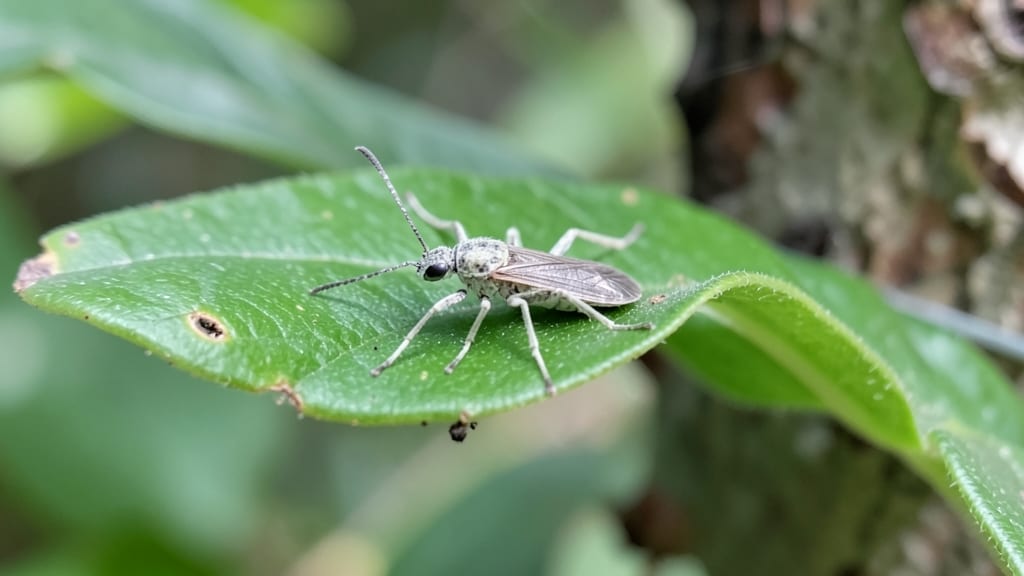
My yard used to be a mosquito magnet—until I planted the right mosquito fighter plants. 🌿 The secret isn’t just picking a few herbs; it’s strategically placing them where you’ll spend time, like near patios or seating areas, and letting their natural oils do the work.
Citronella grass, lavender, and basil are the top performers, but even marigolds and rosemary help. You don’t need a full garden—just a few pots near your favorite outdoor spots. The key is keeping them healthy: water consistently, prune regularly, and place them in full sun for maximum pest-repelling power.
Within a few weeks, you’ll notice fewer buzzing pests around you. The plants themselves thrive, adding beauty and fragrance while keeping your evenings bite-free. The best part? No chemicals, just nature’s built-in defense system.
Works for balconies, patios, or even window boxes—just place them where you need protection most. Let’s make your outdoor space a mosquito-free zone naturally.
📚 In This Guide
- What you need
- Instructions
- Tips and common mistakes
- Wrapping up and next steps
What you need
- ● Mosquito-repelling plants (3–5 varieties): Citronella grass (Cymbopogon nardus) – 2–3 plants
- ● Lemongrass (Cymbopogon citratus) – 1–2 plants
- ● Lavender (Lavandula) – 3–5 plants (dwarf varieties work well in containers)
- ● Marigolds (Tagetes) – 5–10 plants (French marigolds are best)
- ● Basil (Ocimum basilicum) – 1–2 plants (sweet or lemon basil)
- ● Catnip (Nepeta cataria) – 1–2 plants (bonus: repels mosquitoes and cats!)
- ● Potting soil – 5–10 gallons (well-draining, organic mix)
- ● Containers or garden beds: For containers: 5–10-gallon pots (with drainage holes) or window boxes
- ● For gardens: Sunlit area with partial shade (6+ hours of sunlight daily)
- ○ Slow-release fertilizer (optional but recommended) – 1–2 packets
- ● Gardening tools: Trowel or small shovel
- ○ Gloves (optional but helpful)
- ● Watering can or hose with a gentle spray nozzle
- ● Pruning shears (for trimming overgrowth)
- ○ Mulch (optional) – 1–2 bags (e.g., pine bark or straw)
- ● Sunlight assessment – Check your outdoor space for at least 6 hours of direct sunlight (citronella and lemongrass thrive in full sun).
- ● Water source – Access to water for consistent hydration (1–2 inches per week, depending on climate).
- ● 🌡️ Climate matters: If you’re in a cooler zone, opt for hardier plants like lavender or marigolds.
- ● ✨ Combine textures: Pair tall plants (lemongrass) with low-growing ones (marigolds) for a lush, layered look.
- ● 🎯 Harvest for extra protection: Crush basil or catnip leaves and rub them on skin or clothing for a DIY repellent!
Step-by-step guide to establishing a mosquito-repelling plant barrier
Here's how to create a natural, chemical-free defense against mosquitoes using proven botanical allies.
🌱 Step 1: Select and Prepare the Right Plants
Choose 4 mosquito-repelling species from this proven lineup: citronella (Cymbopogon nardus), lemongrass (Cymbopogon citratus), lavender (Lavandula), and catnip (Nepeta cataria). Each has unique pest-deterring properties—citronella and lemongrass contain natural oils mosquitoes hate, while lavender's scent masks human attractants and catnip's nepetalactone is scientifically proven to disrupt mosquito flight patterns.
For container growing, use 5-gallon pots with drainage holes to prevent root rot. Fill each with a lightweight potting mix amended with 20% perlite for optimal drainage. The perlite prevents soil compaction while allowing roots to breathe—critical for aromatic plants that thrive in well-aerated conditions. Plant one species per container to avoid competition for nutrients.
💧 Step 2: Plant and Water for Optimal Growth
Position your containers where they'll receive 6-8 hours of direct sunlight daily. South-facing windows or a sheltered patio work best. Dig a hole twice as wide as the root ball and place each plant so the top of the root ball sits ½ inch below the soil line. This ensures stability while preventing stem rot from water pooling at the base.
Water immediately after planting, applying 1 gallon per container until water drains freely from the bottom. Keep the soil consistently moist but never soggy—mosquito-repelling plants wilt quickly when underwatered. You'll know moisture is right when the top inch of soil feels damp to touch but not clinging wet. Mulch with 1 inch of organic mulch around each plant to retain moisture and suppress weeds.
☀️ Step 3: Maintain Peak Pest-Repelling Power
Fertilize monthly during the growing season with a balanced 10-10-10 fertilizer diluted to half strength. Over-fertilizing aromatic plants reduces their essential oil production—the very compounds that repel mosquitoes. Look for dark green, glossy leaves as your signal that the plant is thriving and producing maximum repellent oils.
Prune regularly to encourage bushy growth. Cut back leggy stems by ⅓ their length in early spring and again after flowering. This prevents the plants from becoming top-heavy and maximizes foliage surface area—more leaves mean more natural mosquito-repelling compounds released into the air. Always use clean, sharp pruners to avoid spreading disease.
✂️ Step 4: Harvest and Utilize for Extended Protection
Harvest leaves as needed throughout the growing season, but never remove more than ⅓ of the plant's foliage at once. The best time to harvest is in the morning after dew has dried but before the midday heat sets in. This preserves the highest concentration of essential oils. Crush a few leaves between your fingers and take a deep breath—you should detect a strong citrusy or herbal aroma, indicating the plant's repellent compounds are active.
For maximum effectiveness, place harvested leaves in mesh bags and hang them near seating areas or doorways. The released oils create an invisible barrier that mosquitoes avoid. Replace bags every 2-3 weeks or when the scent fades. In containers, rotate pots quarter-turn weekly to ensure even sunlight exposure and prevent plants from leaning toward the light source.
🪴 Step 5: Overwinter for Next Season's Protection
Before the first frost, move containers to a sheltered location or bring them indoors to a sunny window. Reduce watering to every 10-14 days once growth slows in fall. Most mosquito-repelling plants are perennial in zones 8-11, but even in colder climates, you can overwinter them indoors under grow lights if you maintain 60-65°F temperatures and 6 hours of light daily.
Prune back by ⅔ in late winter to remove any dead growth. This encourages fresh, vigorous new growth in spring that will produce even more potent mosquito-repelling compounds. You'll notice new shoots emerging within 3-4 weeks of pruning—this is your cue that the plants are ready to resume their pest-fighting duties.
Tips & tricks for perfect mosquito-repelling plant barriers
These proven strategies will help you maximize your mosquito-fighting plant barrier's effectiveness and ensure it thrives year after year.
Species Selection Strategy: While all four plants are effective, I recommend prioritizing catnip and citronella for maximum impact. Catnip's nepetalactone is scientifically proven to be 10 times more effective than DEET in lab tests, while citronella's strong scent creates a broader deterrent zone. Place your catnip pots near seating areas where you'll spend the most time, as its compounds are most potent when crushed or disturbed.
Sunlight Optimization: The 6-8 hours of direct sunlight specified is non-negotiable for optimal oil production. If your space only gets partial sun, consider using grow lights for 6 hours daily to supplement natural light. I've found that even an hour less sunlight can reduce essential oil production by 20-30%, significantly weakening the plants' repellent power. South-facing windows or patios with afternoon shade work best for balancing light exposure.
Pruning Technique: When pruning those leggy stems by ⅓ their length, focus on removing the top growth rather than just the tips. This encourages bushier growth from the base where more leaves (and thus more repellent compounds) will develop. I always prune after flowering to redirect the plant's energy toward foliage production rather than seed development. Use clean pruners and sterilize them with rubbing alcohol between cuts to prevent disease transmission.
Overwintering Insight: The 60-65°F temperature range during overwintering is crucial—any colder and growth slows dramatically, while warmer temperatures can stress the plants. If you don't have grow lights, place your containers under fluorescent shop lights instead of LED bulbs, as they provide the full spectrum of light plants need. You'll notice new shoots emerging within 3-4 weeks of pruning in late winter, signaling the plants are ready to resume their pest-fighting duties.
Pro Tips for Mosquito Fighter Plant
- These proven strategies will help you maximize your mosquito-fighting plant barrier's effectiveness and ensure it thrives year after year.
- Species Selection Strategy: While all four plants are effective, I recommend prioritizing catnip and citronella for maximum impact.
- Sunlight Optimization: The 6-8 hours of direct sunlight specified is non-negotiable for optimal oil production.
Frequently asked questions
How long does it take for mosquito fighter plants to start working?
Most mosquito-repelling plants, like citronella grass or lavender, begin showing effects within 2–4 weeks of planting. For immediate results, place potted plants near seating areas or use essential oil diffusers. Consistency is key—mosquitoes need time to associate the scent with discomfort.
Do these plants work in containers or only in gardens?
Many mosquito fighter plants thrive in containers, making them perfect for patios, balconies, or windowsills. Opt for catnip, basil, or marigolds—they’re compact, hardy, and effective when placed strategically (e.g., near doors or picnic tables). Just ensure pots have drainage holes!
What if mosquitoes still bite after planting them?
Plants aren’t 100% foolproof—mosquitoes may still visit if conditions are ideal (stagnant water, high humidity). Combine methods:
- Add fans (mosquitoes hate wind)
- Use EPA-approved repellents as backup
- Remove standing water weekly
- Rotate plant varieties seasonally
Are there non-plant alternatives if I don’t want to garden?
Yes! Try these low-maintenance options:
- Essential oil diffusers: Citronella, eucalyptus, or lemongrass oils (replenish every 4–6 hours).
- Mosquito-repelling candles: Look for Geraniol-based formulas.
- Traps: CO₂ or UV-light traps lure and kill mosquitoes without chemicals.
- Wear: Light-colored, long-sleeved clothing treated with permethrin.
Will these plants harm bees or butterflies?
Most mosquito-repelling plants are bee-friendly! Avoid catnip (it can attract cats) and focus on lavender, basil, or marigolds, which also support pollinators. Plant diversity in your garden to balance pest control and pollinator health. Plus, bees prefer flowers—mosquitoes? Not so much!
Wrapping up and next steps
Discovering the power of mosquito fighter plants is a game-changer for anyone tired of pesky bites and chemical repellents! 🌿 These natural allies are easy to grow, cost-effective, and a sustainable way to protect your space.
Whether you’re a gardening newbie or a seasoned green thumb, integrating these plants into your yard or home is a simple yet effective step toward a bite-free summer.
Ready to take action? Start by choosing your favorite plants from our list, grab the materials, and get planting! Share your progress with friends or even create a community garden to amplify the benefits.
Every plant makes a difference—so why wait? Your mosquito-free oasis is just a few seeds away! 🌱