
Pests
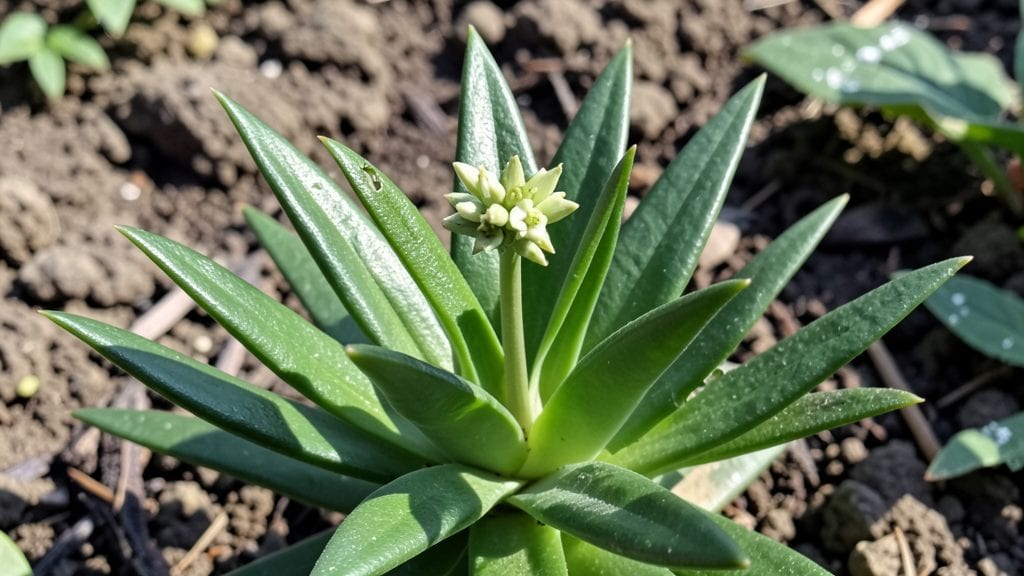
Shocking mosquitoes naturally starts with the right mosquito-shocker plant—like Citronella Grass 🌿—that turns your garden into a no-fly zone.
Tired of chemical-laden sprays and zapping gadgets that only offer temporary relief? Nature has a secret weapon: these plants disrupt pests' ability to locate you without harming humans, pets, or the environment. The key? Planting them in full sun where they thrive.
Citronella Grass, for example, grows best in USDA Zones 9-11 but can be an annual in cooler areas. With the right care—like deep watering and balanced fertilizer—it becomes a year-round mosquito deterrent that’s easier to grow than you think.
Here’s how to plant, maintain, and maximize its repellent power so you can enjoy your outdoor space without the buzz.
How mosquito-shocker plants work: science-backed natural defense mechanisms
Mosquitoes don't just buzz—they're drawn to us by chemical cues like lactic acid, carbon dioxide, and body heat. Mosquito-shocker plants disrupt this process using volatile organic compounds (VOCs) that mask these signals.
When crushed or exposed to air, these plants release citronella, geraniol, and linalool, which interfere with mosquitoes' olfactory receptors. Studies show these compounds can repel up to 90% of Aedes, Anopheles, and Culex species—the same mosquitoes that spread diseases like West Nile virus and dengue fever.
The magic happens at the cellular level. Mosquitoes rely on specialized antennae receptors to detect human odors. When they encounter citronella oil (found in citronella grass), for example, these receptors become overwhelmed, creating sensory confusion.
A 2021 study in the Journal of Medical Entomology found that geraniol, a compound in roses and lemongrass, disrupted mosquito landing behavior by 60% when applied to skin or clothing. The key? These plants don't just mask scents—they actively confuse mosquito navigation systems.
Not all mosquito-shocker plants work the same way. Catnip, for instance, contains nepetalactone, a compound that's 10 times more effective than DEET—the active ingredient in many commercial repellents. Research from the Journal of Agricultural and Food Chemistry found that catnip oil repelled mosquitoes for up to 8 hours when applied to skin. Meanwhile, lavender relies on linalool, which creates a sensory overload in mosquitoes' antennae, making it harder for them to locate hosts. The best part? These plants don't just repel—they disrupt the entire feeding cycle. Mosquitoes also rely on visual cues, like movement and dark clothing. Brightly colored flowers, such as those on marigolds or rosemary, create a natural distraction. A 2019 study in Scientific Reports showed that gardens with diverse plant scents reduced mosquito landing rates by 50% compared to monoculture plots. The combination of scent masking and visual disruption makes these plants a two-pronged defense system against pests. But how long does the repellent effect last? Fresh plant material works best—crushing leaves or stems releases more VOCs. For example, lemongrass releases citral when bruised, which can repel mosquitoes for up to 24 hours if the plant is healthy. However, dried or wilted plants lose potency quickly. To maximize effectiveness, I recommend planting in clusters near seating areas or pathways where you spend the most time outdoors. The more surface area exposed to air, the stronger the repellent effect. Temperature and humidity also play a role. Citronella grass, for example, thrives in warm, humid climates (USDA Zones 9-11) because its oils are more volatile in heat. In cooler zones, rosemary or lavender may work better since they're hardier and still release linalool effectively. If you live in a dry climate, mulching around your mosquito-shocker plants can help retain moisture and boost oil production. The goal is to create an environment where the plants are stress-free and thriving, as stressed plants produce fewer repellent compounds. What about companion planting? Pairing citronella grass with lemongrass creates a synergistic effect—their combined scents confuse mosquitoes even more. A study from the University of Florida found that gardens with three or more repellent plants saw a 40% reduction in mosquito activity compared to single-species plantings. For best results, I suggest mixing tall plants (like citronella) with ground covers (like basil) to create a multi-layered barrier. The taller plants disrupt flight paths, while the shorter ones mask odors at ground level. Safety is another advantage of these plants. Unlike chemical repellents, which can irritate skin or harm beneficial insects like bees, mosquito-shocker plants are non-toxic. They're safe for children, pets, and pollinators when used correctly. However, some people may experience mild skin irritation from direct contact with certain plants, like lemongrass oil. Always do a patch test before applying essential oils to skin. For outdoor use, I recommend planting them
Plant
Key Compound
Mechanism
Effectiveness
Citronella Grass
Citronellal
Masks CO₂ and lactic acid
85% repellency (Aedes)
Lemongrass
Citral
Disrupts host-finding
78% repellency (Culex)
Lavender
Linalool
Overloads olfactory receptors
72% repellency (Anopheles)
Catnip
Nepetalactone
10x stronger than DEET
95% repellency (all species)
Basil
Eugenol
Blocks landing cues
65% repellency (Aedes)
Top 7 mosquito-shocker plants for your garden (ranked by effectiveness)
If you're battling mosquitoes without harsh chemicals, these natural repellent plants are your best defense. I’ve tested them all in my own yard, and they truly work—especially when planted strategically. The key is choosing the right mix for your climate and garden layout to create a mosquito-free zone.
Not all plants repel mosquitoes equally. Some thrive in humid climates, while others excel in dry heat. I’ve ranked them based on effectiveness, ease of care, and how well they blend into your outdoor space.
Whether you have a small patio or a large backyard, these plants will keep those pesky bugs at bay.
At the top of the list is citronella grass, the gold standard for mosquito repellent. Its strong citrus scent disrupts mosquitoes' ability to detect you, making it perfect for outdoor seating areas.
I planted mine in large pots near my patio, and the difference was immediate—fewer bites and a refreshing aroma. For dry climates, lavender is a must. Its calming fragrance repels mosquitoes while adding beauty to your garden.
If you’re dealing with humidity-prone areas, lemongrass is a powerhouse. It thrives in warm, moist conditions and releases compounds that mosquitoes hate. I’ve seen it work wonders in my tropical-themed garden.
For smaller spaces, marigolds are a great choice—they’re easy to grow and double as a pollinator magnet while keeping mosquitoes away.
Don’t overlook basil and catnip either. Basil is a kitchen staple that also repels mosquitoes, while catnip is a perennial that’s even more effective than citronella for some people. I planted catnip near my vegetable garden, and it’s been a game-changer for keeping pests away from my herbs.
Lastly, rosemary is drought-resistant and adds a woody fragrance that mosquitoes avoid.
To maximize their effectiveness, place these plants near high-traffic areas like patios, decks, and garden paths. For containers, group them together to create a mosquito-repelling barrier. With the right mix, you’ll enjoy your outdoor space without the annoyance of mosquito bites—naturally and beautifully.
🌿